Darwin's Street Art Renaissance: What Visitors Need to Know and Where to Go
From Mitchell Street's gallery walls to the emerging Mindil Beach precinct, Darwin's creative districts are redefining urban culture in Australia's Top End.
From Mitchell Street's gallery walls to the emerging Mindil Beach precinct, Darwin's creative districts are redefining urban culture in Australia's Top End.
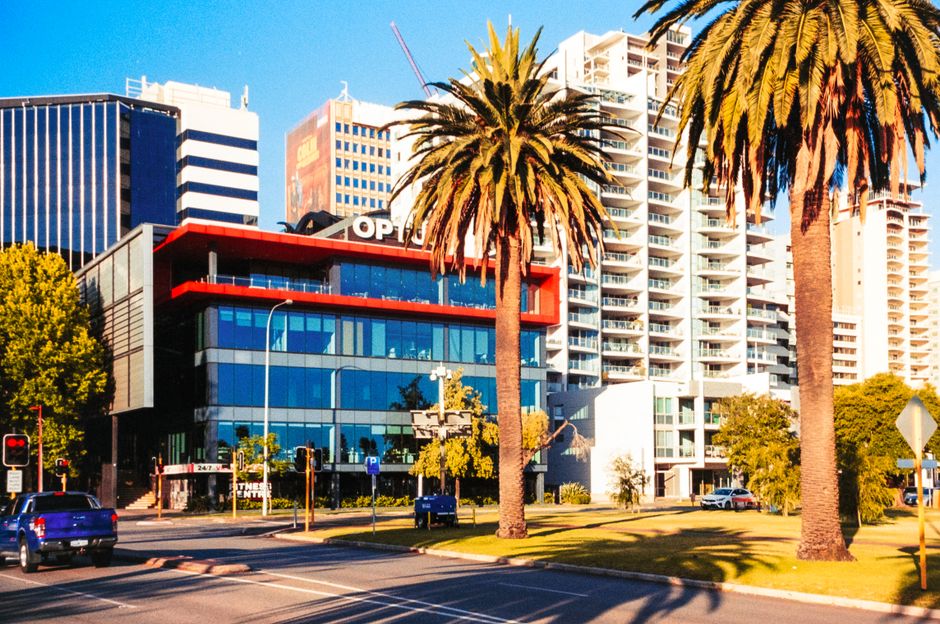
Darwin's street art scene has undergone a dramatic transformation over the past five years, emerging as one of Australia's most dynamic urban creative spaces. For visitors navigating the city's subtropical sprawl, understanding where to focus your artistic attention can mean the difference between a cursory glance and genuine cultural immersion.
Start at Mitchell Street, Darwin's creative spine. Once a somewhat neglected retail corridor, the precinct between Knuckey and Peel Streets now hosts rotating murals by both established and emerging artists. The Darwin City Council's public art initiative has resulted in over 40 sanctioned installations since 2021, with pieces typically lasting 12-18 months before being refreshed. Entry is free; bring sun protection and arrive early to avoid the midday heat—temperatures regularly exceed 30 degrees even in the cooler months.
The Mindil Beach Arts Precinct, anchored by the Darwin Performing Arts Centre and the Northern Territory Museum, has evolved into a secondary creative hub. While the famous Mindil Beach Sunset Markets (operating Thursday and Sunday evenings during the dry season from May to October) draw larger crowds, the surrounding laneways feature curated street installations and artist studio spaces. Several local collectives have claimed walls here, creating a more intentional, gallery-like feel than Mitchell Street's organic evolution.
For a deeper dive, visit Fannie Bay's emerging warehouse district. Three converted industrial spaces—notably the collectively managed Studio Precinct on Stuart Highway—house working artists and host quarterly open studio events. Admission to these spaces is typically free, though visitors often spend $50-200 on original works. The community is welcoming but photography-conscious; always ask before capturing artwork or artist portraits.
Essential context for visitors: Darwin's street art reflects its unique geography and demographics. Indigenous Australian motifs regularly appear alongside contemporary urban styles, reflecting the city's position as the cultural gateway to Arnhem Land. Many artists engage explicitly with themes of climate adaptation and multicultural identity—particularly relevant as the city continues rebuilding its creative infrastructure post-pandemic.
Practical advice: visit between April and September when temperatures are manageable. Wear appropriate footwear for uneven pavements, carry water, and check local community boards for up-to-date installation locations. The Darwin Convention Bureau website maintains a current street art map, updated monthly. Most pieces cluster within five kilometres of the CBD, making a self-guided walking tour entirely feasible for a half-day visit.
This article was compiled by AI from the sources linked above and screened before publishing. See our editorial standards.
Your reaction
Spread the word
About this article
Published by The Daily Darwin
Daily brief
Free, in your inbox before 7am. Weekdays.
The Daily Network — local news across Australia