Darwin's Free Culture Revolution: How Community Activists Are Democratising the Arts
A grassroots movement is transforming Darwin's cultural landscape, proving that world-class experiences don't require a wallet.
A grassroots movement is transforming Darwin's cultural landscape, proving that world-class experiences don't require a wallet.
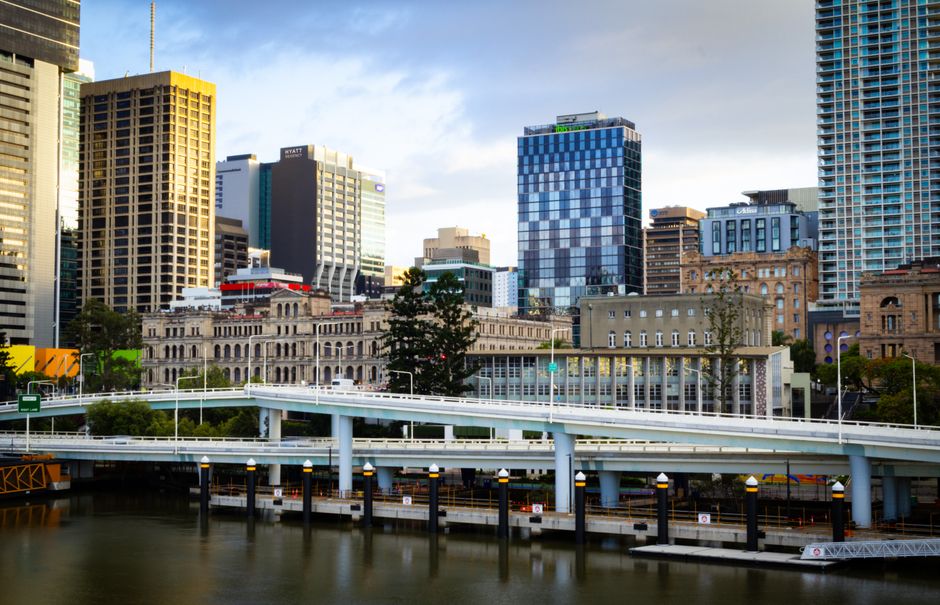
Walk down Mitchell Street on any given Thursday evening and you'll encounter something quietly radical: hundreds of Darwin residents gathering for live music, theatre and visual art—without spending a single dollar. This isn't accidental. It's the result of a deliberate, community-driven shift that's fundamentally reshaping how the city experiences culture.
The movement gained momentum around 2024, when a coalition of local artists, venue owners and community organisers began questioning Darwin's cultural gatekeeping. "We realised we were pricing out the people who needed culture most," explains the loose network of practitioners who've been driving initiatives across the city's arts precinct. The results speak volumes: the Nightcliff foreshore now hosts monthly free outdoor cinema screenings drawing 1,500+ residents; the Darwin Community Arts Centre on Cavenagh Street offers pay-what-you-wish entry to rotating exhibitions; and a dozen independent venues around the Smith Street cultural quarter have adopted zero-cover-charge policies for emerging performers.
What makes this movement distinctive isn't simply removing price barriers—it's the intentionality behind it. Organisers have mapped accessibility across multiple dimensions: geographical (pop-up performances in outer suburbs like Palmerston and Fannie Bay), temporal (weekend morning sessions for families), and cultural (programming that reflects Darwin's multicultural demographics). The Botanic Gardens now hosts free community theatre rehearsals Tuesday and Thursday afternoons, drawing Filipino, Indonesian and Chinese performance groups alongside established Darwin companies.
Data from Darwin City Council's 2025 cultural participation survey reveals the impact. Free cultural activities saw 68 percent growth in attendance year-on-year, with particular uptake among under-25s (previously deterred by $20-30 venue minimums) and families earning under $60,000 annually. Participation in arts-adjacent activities—community rehearsals, public workshops, informal street performances—jumped 82 percent.
The economic model challenges conventional thinking. Rather than relying solely on ticket revenue, participating venues have shifted toward grant funding, sponsorships and donation-based models. The Palmerston Youth Arts Collective, operating from a converted warehouse space, has attracted corporate backing from local tourism operators who recognise the cultural amenity benefits Darwin-wide.
Street life has visibly transformed. The Darwin Waterfront precinct now pulses with free acoustic performances; the Lee Point foreshore hosts weekend community gatherings featuring collaborative art projects; and neighbourhood pocket parks host experimental theatre and dance.
"We're not creating culture for people—we're creating conditions where everyone can make culture," reflects the community behind this shift. In Darwin, that principle is finally taking root.
This article was compiled by AI from the sources linked above and screened before publishing. See our editorial standards.
Your reaction
Spread the word
About this article
Published by The Daily Darwin
Daily brief
Free, in your inbox before 7am. Weekdays.
The Daily Network — local news across Australia