Darwin's Colonial Shadows Shape a New Generation of Artists Reclaiming the City's Identity
As the NT capital grapples with its frontier past, local creatives are mining heritage to define what Darwin culture means in 2026.
As the NT capital grapples with its frontier past, local creatives are mining heritage to define what Darwin culture means in 2026.
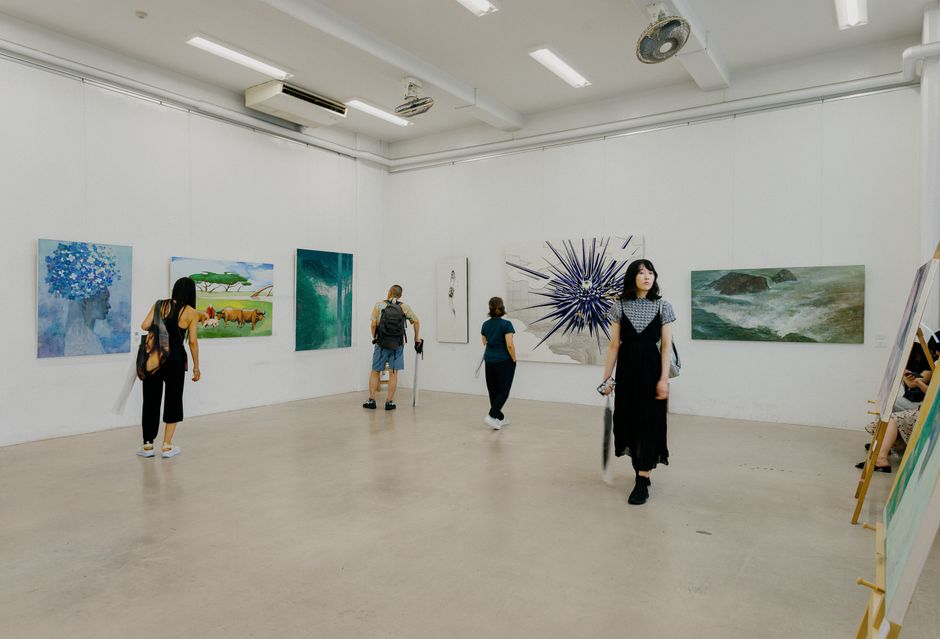
The Darwin Museum on Conacher Street is hosting something its Victorian-era architects never anticipated: a packed opening night for "Palimpsest," an exhibition where Indigenous and non-Indigenous artists deliberately paint over historical photographs and documents from the 1940s bombing raids. The work sells out three weeks before it closes on August 15th. Not because tourists want nostalgia. Because Darwin residents want to argue with their own history.
The city has always been defined by what happened to it rather than what it made of itself. Cyclone Tracy flattened the place on Christmas Day 1974. Japanese warplanes bombed the port in 1942. Before that, the land belonged to Larrakia people for millennia. But something shifted in the past eighteen months. Artists, writers, and cultural workers across Darwin are no longer waiting for heritage authorities to package the past. They're seizing it, arguing through it, and using it to answer a question the city has dodged: what does Darwin culture actually look like when you stop treating it as a series of disasters that happened here?
The shift is visible in concrete places. The Raintree Arts Centre in Mitchell Street launched its "Frontier Conversations" program in May, partnering directly with Larrakia elders to co-curate exhibitions rather than simply featuring Indigenous work in designated spaces. Meanwhile, the Darwin Film Festival (running September 18-22) received 147 submissions this year for its new "Territory Stories" category—documentaries and features by local makers exploring regional identity. That's double the submissions for the same category last year.
The economic incentive matters. Darwin's property market is softening—median house prices dropped 3.2 percent in the past financial year according to NT Property Council data—but creative workers aren't fleeing. They're settling. Cheaper rent on suburbs like Larrakeyah and Stuart Park means artists can actually afford studio space. The Darwin Writers Festival, held each August at the State Library on The Esplanade, announced last month it would expand from a five-day to ten-day program, specifically to accommodate more local authors writing about place and belonging.
What's driving this isn't government funding (though the NT Arts Council allocated an additional $340,000 to heritage-focused projects in the 2026 budget). It's a generational reckoning. Artists in their twenties and thirties who grew up in post-Cyclone Tracy Darwin don't see the destruction narrative as fixed. They see it as unfinished material to work with.
Maria Chen, a sound artist working on a project mapping the acoustic geography of pre-1974 Darwin through archived radio broadcasts and survivor interviews, describes it plainly: "The city treated its own history like a scar you don't talk about. Now people want to sit with it, examine it, argue about what it means." Her work premieres at the Darwin Festival of Live Arts in October.
The practical upshot is becoming visible in Darwin's cultural calendar. The Museum and Art Gallery of the Northern Territory is retrofitting its exhibition spaces to allow for what curators call "contested display"—showing the same historical object alongside contemporary artistic responses to it. The first installation, opening September 3rd, features Japanese documents about the 1942 bombing alongside work by young Darwin-based artists processing intergenerational trauma. No neat resolution. Just a room where history stays alive and uncomfortable.
For residents wanting to engage with this shift, the entry points are everywhere now. The Darwin Public Library's new oral history project is taking audio submissions through December. The Raintree Arts Centre's weekly Wednesday forums bring together historians, artists, and community members to discuss specific decades of the city's life. And the Independent Art Studios collective in Fannie Bay has dropped studio tour prices to $5 to get more locals through the door.
Darwin's identity crisis—the question of what the city is beyond its disasters—won't resolve quickly. But for the first time, the city's creative class isn't waiting for that resolution. They're making work that assumes the question itself is the point.
Your reaction
Spread the word
About this article
Published by The Daily Darwin
Daily brief
Free, in your inbox before 7am. Weekdays.
The Daily Network — local news across Australia