Darwin's Cultural Renaissance: How a Frontier Town Became a Creative Hub
After decades of building back from Cyclone Tracy, Darwin's arts scene has matured from survival mode into something genuinely distinctive.
After decades of building back from Cyclone Tracy, Darwin's arts scene has matured from survival mode into something genuinely distinctive.
Darwin's Mindil Beach Sunset Markets have become shorthand for tropical leisure, but they're also a window into how fast this city's cultural identity has shifted. Twenty-three years after Cyclone Tracy devastated the town on Christmas Day 1974, those markets began operating in 1988 as a modest community initiative. Today they pull 10,000 visitors across Thursday and Sunday nights during the dry season, generating roughly $2.3 million annually for stallholders and vendors. What started as recovery has become brand.
The transformation matters now because Darwin faces a different crisis—demographic drift. Young people still leave for Melbourne and Sydney after school. The Northern Territory's population growth sits at 0.8 percent annually, well below the national average. Yet the cultural institutions that have emerged since the 1980s suggest the city is competing on something other than job prospects. It's competing on identity. This is a place rebuilding not just infrastructure but collective memory and artistic purpose.
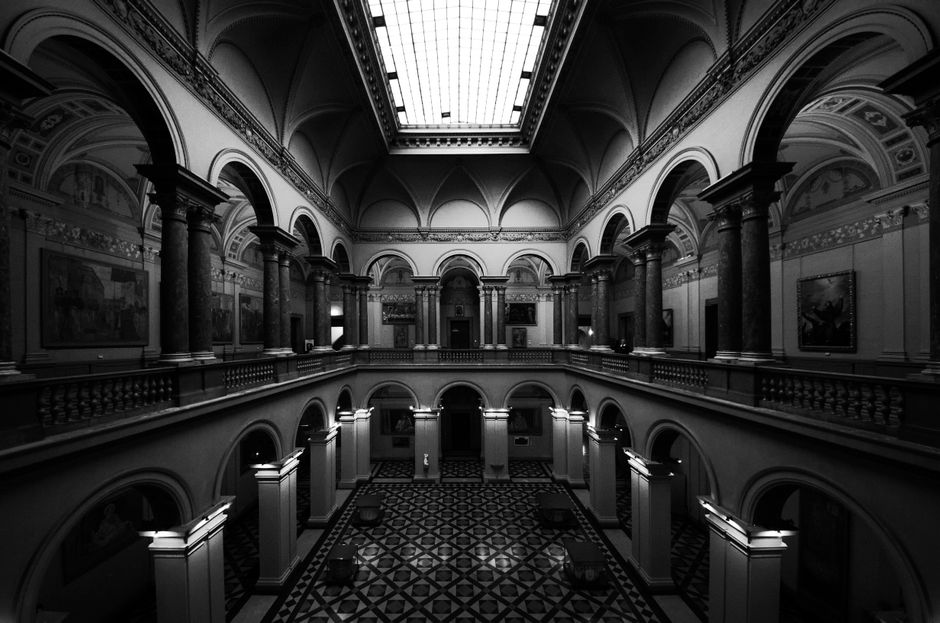
The Darwin Museum and Art Gallery, established in the post-Cyclone reconstruction period and expanded significantly through the 1990s, sits on Conacher Street in a building designed specifically to showcase the region's Indigenous art and colonial history. The museum's permanent collection includes work from Yolngu artists across Arnhem Land, alongside salvage from Darwin's wartime bombing and reconstruction efforts. Entry runs $15 for adults, and the museum attracts around 45,000 visitors annually—modest by capital city standards, but substantial for a population of 150,000.
What distinguishes Darwin's scene isn't scale but specificity. The Fannie Bay Gaol Museum occupies the former women's prison on East Point Road, converted into a heritage space that documents the city's convict past and Japanese bombing raids in 1942. The gaol operated from 1928 until 1979, and its transformation into a public institution reflects Darwin's willingness to integrate difficult history into its cultural narrative. Visitors can walk cells where women were detained during the Japanese occupation. It's the kind of place that forces reckoning with the past rather than aesthetic distance from it.
The contemporary visual arts scene clusters around Mitchell Street, where galleries like Brown Martyn and smaller independent studios operate alongside bars and restaurants. Rents in the CBD have softened considerably since 2024—commercial space now commands around $180 to $220 per square metre annually, down from $250 in peak years. That's opened doors for younger artists and experimental venues that wouldn't survive higher overheads.
The Darwin Festival, held annually in August, draws national attention to local performance and visual work. Last year's edition featured 118 events across theatre, music, dance and visual art, with programming specifically designed to showcase work from Top End Indigenous artists alongside national touring acts. The festival operates on a $1.2 million annual budget, funded through government grants and sponsorship, making it one of the Northern Territory's most significant cultural institutions.
Demographics tell a crucial story. According to the 2021 census, Darwin's population is younger than the Australian median—28.4 years versus 37.3 nationally—and more culturally diverse, with 39 percent born overseas. That diversity shapes what galleries show, what stories museums tell, what music venues program. The city attracts people from Indonesia, Malaysia, Singapore and across Asia in ways that southern Australian cities don't. That proximity changes everything about cultural production.
For anyone watching Darwin's arts sector, the next move is consolidation. The Northern Territory government has committed $3.8 million toward cultural infrastructure upgrades over the next three years, including improvements to the Playhouse Theatre and expanded programming at smaller regional venues. Whether that investment reaches artists themselves, rather than just institutions, will determine whether Darwin keeps building culture or simply warehouses it for tourists.
Your reaction
Spread the word
About this article
Published by The Daily Darwin
Daily brief
Free, in your inbox before 7am. Weekdays.
The Daily Network — local news across Australia