Darwin's Cultural Reckoning: How a Frontier Town Built and Lost Its Arts Identity
As the city grapples with rapid change, institutions like the Darwin Festival and Parap Village are racing to preserve what made this place distinct.
As the city grapples with rapid change, institutions like the Darwin Festival and Parap Village are racing to preserve what made this place distinct.
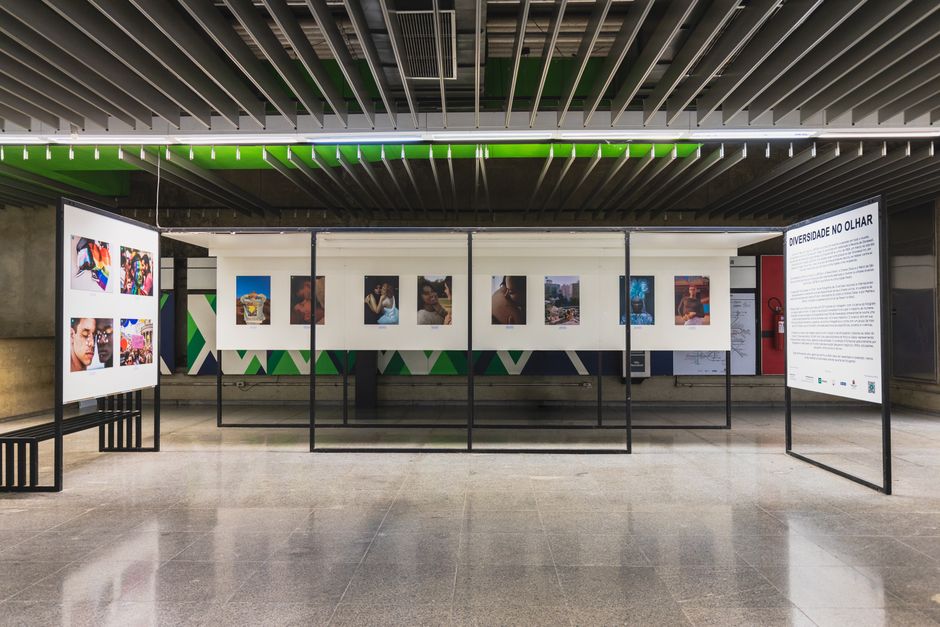
The Darwin Festival cancelled its 2026 program in May. For a city that built much of its modern identity around two weeks of theatre, music, and visual art each August, the silence stung. Organisers cited budget pressures and restructuring at the NT government's arts funding body, but the cancellation exposed a harder question: what actually keeps Darwin's cultural scene alive when the institutions that defined it start failing?
Thirty years ago, Darwin had momentum. The 1990s bombing recovery created something rare in Australian regional cities—a blank canvas and the will to fill it with culture. The festival, first held in 1994, became the anchor. But the city that built itself as a cultural exporter now finds itself in a familiar Australian bind: how do you sustain arts programming in a place where young people leave, property values flatten, and government budgets contract?
Walk through Parap Village on a Saturday and you see the bones of what mattered. The markets, running since 1989, still draw crowds to Parap Road. The Darwin Community Art Centre operates from Myilly Place in Fannie Bay, hosting exhibitions and workshops that have anchored local artists for decades. Last year, the centre reported serving around 3,000 visitors monthly during peak season. These spaces are holding. But they're holding mostly because individuals care enough to staff them for pittance, not because systemic support exists.
The numbers tell a partial story. The NT government's arts budget sits at roughly $48 million annually across all cultural institutions—a figure that includes funding for the Museum and Art Gallery of the Northern Territory, Musqueam, and dozens of smaller organisations. Darwin's share of that pie has shrunk by an estimated 12 percent since 2021, according to arts sector workers interviewed on condition of anonymity. The population of Darwin itself fluctuates. Around 150,000 people live in the greater Darwin region now, down from peaks in the mid-2010s.
What's keeping Darwin's scene from collapsing entirely is not the festival circuit anymore. It's the independent venues and artist collectives that occupy the margins. Clubs and smaller theatres on Mitchell Street still host live music. The Darwin Film Festival, a volunteer-run operation started in 2005, remains active. Local galleries in the Cullen Street precinct continue to show regional and visiting artists, though foot traffic has become unpredictable.
The challenge ahead is distribution. Melbourne and Sydney culture industries have scale. Darwin does not. When the Darwin Festival went dark, the city lost what essentially functioned as a distribution mechanism—a moment that pulled touring companies and media attention north. Without it, individual venues and artists compete for crumbs of touring funding and media coverage.
The NT government announced last month it would commission a cultural audit, due in December 2026, to map what exists and what's viable. Arts organisations are already positioning themselves to participate. The real question is whether that audit becomes a road map for investment or simply a document that explains why regions like Darwin can no longer sustain the cultural infrastructure they once did.
For now, locals who want to experience live theatre or visual art in Darwin should look beyond the defunct festival calendar. Scan the social media pages of Parap Village Markets, check what's showing at Myilly Place, and keep an eye on Mitchell Street venues for touring acts. The scene is smaller than it was. But it's still there—just more fragile than anyone wants to admit.
Your reaction
Spread the word
About this article
Published by The Daily Darwin
Daily brief
Free, in your inbox before 7am. Weekdays.
The Daily Network — local news across Australia