Darwin's Next Wave: Young Artists Are Redefining What It Means to Tell This City's Story
A new generation of Indigenous and non-Indigenous creators are moving beyond tourist-friendly narratives to stake claims on Darwin's complex, layered past.
A new generation of Indigenous and non-Indigenous creators are moving beyond tourist-friendly narratives to stake claims on Darwin's complex, layered past.
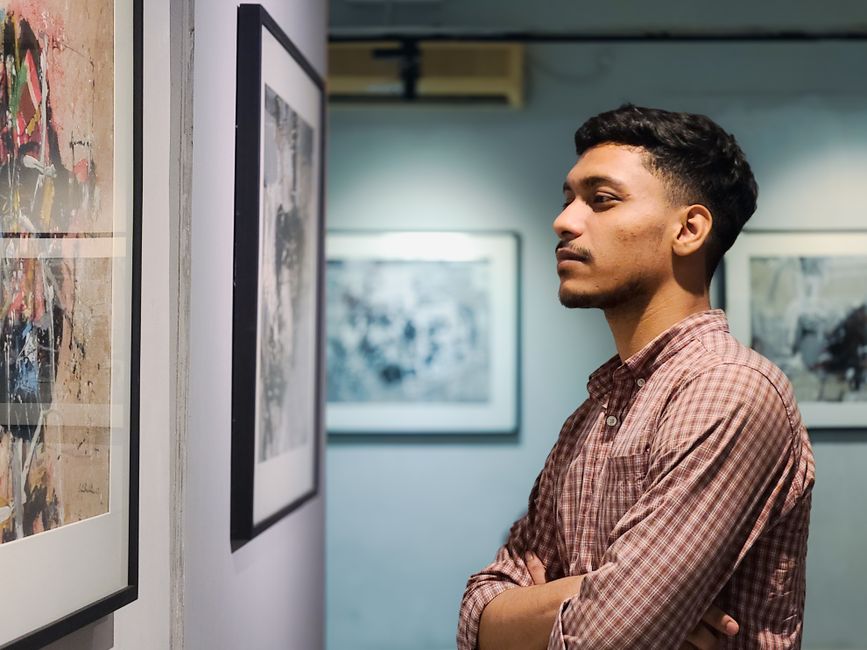
Walk into the Arafun Arts Centre on Dashwood Place and you'll find yourself in the middle of a conversation about Darwin that most visitors never hear. The gallery isn't hanging the safe, postcard versions of Top End life. Instead, young artists in their twenties and thirties are using installations, video work, and mixed media to interrogate what happened here—the cyclone, the bombing, the frontier violence, the ongoing colonial legacies—and what it means to be claiming creative space in this city now.
The work matters because Darwin's cultural identity has spent decades getting compressed into a handful of recognisable images: Mindil Beach sunsets, pearl luggers, Kakadu landscapes. These are real parts of the story, sure. But they're incomplete. A cohort of emerging artists are pushing back, asking harder questions about whose histories get told, who gets to tell them, and what gets left out of the official record. In a city that reinvented itself multiple times after 1942—first after the bombing raids, then after Cyclone Tracy in 1974, and most recently during waves of migration and economic restructure—this reckoning with narrative feels overdue.
The Darwin Arts Festival, which runs for two weeks each August, has become a key staging ground for this emerging cohort. In 2024, the festival hosted 47 separate events across the city, drawing artists from across the Northern Territory and visiting practitioners from southern capitals. The shift has been noticeable to programmers: more younger curators and artists are steering the conversation toward work that sits with discomfort, that refuses simplification.
Beyond the festival circuit, institutions like Nyinkka Nyunyu—the Aboriginal-led cultural space on Mitchell Street—have been actively commissioning works from artists under 35. The program allocates roughly 30 percent of its annual exhibition slots to debut or early-career practitioners. Last year that meant featuring seven new voices across mixed disciplines, from textile work exploring kinship systems to digital installations about climate change and Country.
The Darwin Museum and Art Gallery on Conacher Street has also shifted its approach. After years of rotating the same historical narratives, the curatorial team launched a series called "Emerging Perspectives" in early 2025, specifically designed to platform artists reflecting on Darwin's more recent past—the 1974 cyclone rebuild, the 1980s migration waves, the rapid gentrification of the last decade.
What's driving this shift? Partly demographics. The median age in Darwin is 36, and the city's population has climbed to around 145,000. But younger people aren't staying here for the old reasons anymore. Tourism numbers to Darwin proper have plateaued at roughly 680,000 annual visitors—many pass through to Kakadu rather than engaging with the city's urban culture. That means emerging artists aren't relying on the heritage-tourism money that locked earlier generations into producing digestible product.
Instead, they're building networks sideways, through social media, through artist collectives like the Darwin Creatives Collective (founded 2022, membership now sitting at around 120 practitioners), and through pop-up spaces in the CBD that don't require institutional approval. Rent in central Darwin runs between $300 and $450 per square metre annually—high by Northern Territory standards, but still cheaper than Melbourne or Sydney, making warehouse conversions and shared studios viable.
If you're serious about watching this unfold, start with artist websites and the Darwin Creatives Collective's monthly digest. Attend the smaller gallery nights on Thursday evenings at Nyinkka Nyunyu and the fringe exhibitions during Darwin Arts Festival. Follow local arts reporters and the Territory Arts Magazine, which profiles emerging practitioners monthly. The work being made right now will shape how Darwin understands itself for the next decade. These young artists aren't waiting for permission to tell it differently.
Your reaction
Spread the word
About this article
Published by The Daily Darwin
Daily brief
Free, in your inbox before 7am. Weekdays.
The Daily Network — local news across Australia