Aboriginal Art in Darwin: A Living Tradition in the Top End
The world's oldest living art tradition is bought and sold daily in Darwin's galleries and markets.
The world's oldest living art tradition is bought and sold daily in Darwin's galleries and markets.
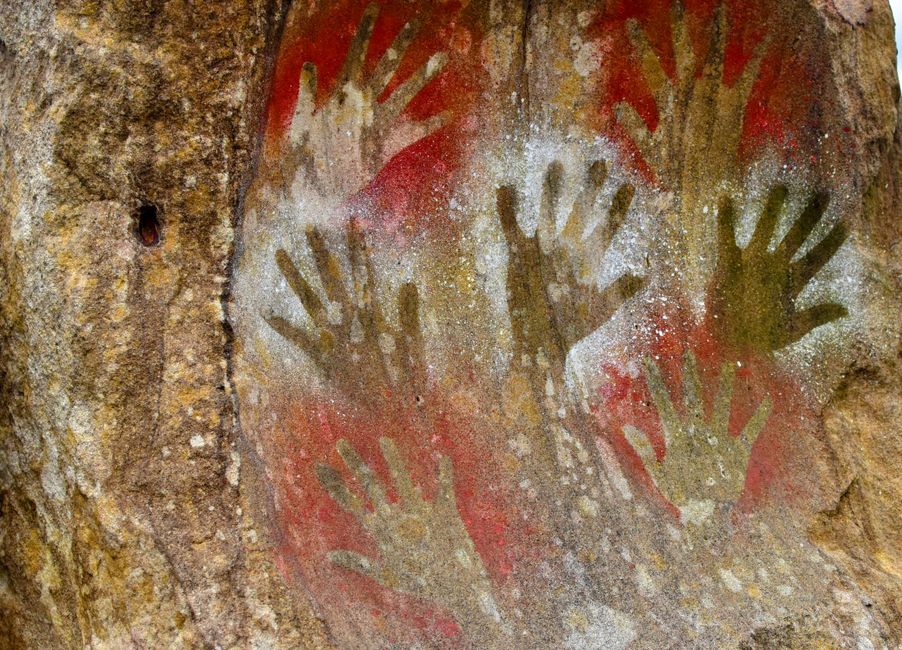
Darwin occupies a special position in the Aboriginal art world as the commercial hub for the art production of communities across the Northern Territory whose work reaches buyers in Australia and internationally through the gallery and dealer network concentrated in the city. The Darwin Aboriginal Art Fair, held annually during the Festival of Darwin, brings together art centres from across the Territory to sell directly to collectors, providing the most significant annual gathering of Aboriginal art in the country and the market event that shapes the commercial calendar of the Territory's art centres.
The art centres of the Western Desert, Arnhem Land, and the Tiwi Islands produce art in traditions that have evolved across millennia but that have found new materials and new markets since the movement began in the early 1970s at Papunya. The dotted paintings of the Western Desert tradition, the bark paintings of Arnhem Land, and the distinctive print and sculpture of the Tiwi Islands represent three of the major regional styles whose visual languages have achieved international recognition.
Darwin's commercial galleries, concentrated in the Smith Street Mall precinct and the city's commercial streets, provide the retail market for Aboriginal art that serves both the tourist buyer seeking a souvenir of genuine cultural significance and the serious collector acquiring investment-quality works. The gallery sector's relationship with the art centres that produce the work, including the fair trade and community benefit requirements that the Authentic Aboriginal Art code addresses, has been the subject of ongoing community and policy attention as the commercial sector's growth has raised questions about the distribution of benefits from art sales.
The Darwin Museum and Art Gallery of the NT's collection of Aboriginal and Torres Strait Islander art provides the non-commercial institutional context for understanding the art's cultural significance, displaying works alongside the interpretive material that places the art in its ceremonial and social context for viewers who want more than aesthetic appreciation of the visual form.
This article was compiled by AI from the sources linked above and screened before publishing. See our editorial standards.
Your reaction
Spread the word
About this article
Published by The Daily Darwin
Daily brief
Free, in your inbox before 7am. Weekdays.
The Daily Network — local news across Australia