Kakadu: Darwin's Backyard and Australia's Greatest Park
Three hours east of the city, one of the world's significant World Heritage areas begins.
Three hours east of the city, one of the world's significant World Heritage areas begins.
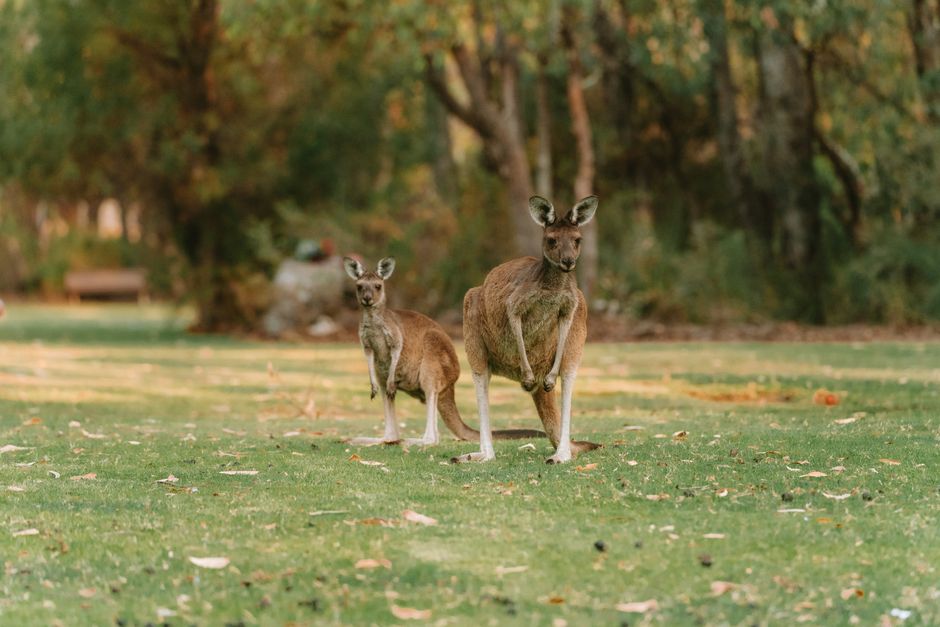
Kakadu National Park occupies a place in Australia's natural heritage comparable to the Grand Canyon in the American imagination: a landscape of such extraordinary scale, biodiversity, and cultural significance that any description undersells the experience of being there. The 20,000 square kilometre park, jointly managed by the Australian Government and Bininj/Mungguy traditional owners, encompasses floodplains, escarpment, monsoon forest, tidal rivers, and spectacular waterfalls within a single protected area.
The park's rock art sites at Ubirr and Nourlangie document human cultural practice across tens of thousands of years in a continuous narrative that makes comparable heritage sites elsewhere appear recent. The layered imagery, with figures from different cultural periods overlaying each other on the same rock surfaces, creates a visual record of human occupation that extends to the outermost limits of verified archaeological knowledge.
Seasonal access constrains visitor experience significantly. Wet season flooding makes large portions of the park inaccessible by conventional vehicle for several months, and even the most accessible sites require careful timing to avoid dangerous water crossings. Tour operators based in Darwin have developed dry-season programmes that maximise the park's accessible attractions while managing logistics for visitors who are unfamiliar with the Territory's road conditions.
Indigenous tourism guided by traditional owners provides an interpretive depth that self-guided visits cannot achieve. The ecological and cultural knowledge embedded in Aboriginal ranger programs makes the park's natural features comprehensible in a way that ecological labelling and interpretive signs cannot convey, connecting visitors to relationships between country, seasons, plants, and animals that have been observed and managed across millennia.
This article was compiled by AI from the sources linked above and screened before publishing. See our editorial standards.
Your reaction
Spread the word
About this article
Published by The Daily Darwin
Daily brief
Free, in your inbox before 7am. Weekdays.
The Daily Network — local news across Australia