Kakadu: Darwin's World Heritage Neighbour and the Ultimate Top End Experience
The 20,000-square-kilometre national park is just two hours from Darwin and holds some of humanity's oldest art.
The 20,000-square-kilometre national park is just two hours from Darwin and holds some of humanity's oldest art.
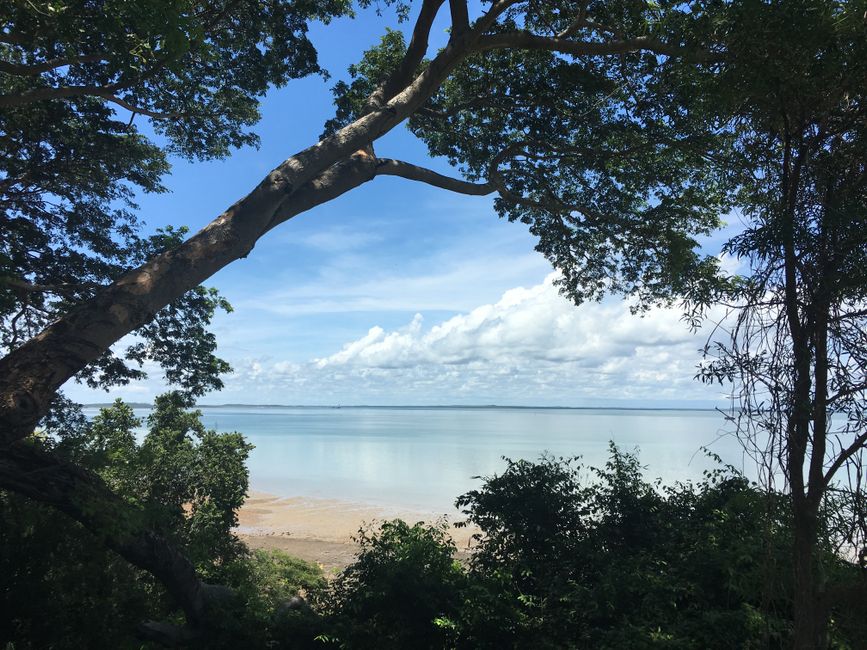
Kakadu National Park, the 20,000-square-kilometre national park east of Darwin that carries the dual inscription as both a UNESCO World Heritage Natural Area and a World Heritage Cultural Area, the only park in Australia to hold both designations, provides Darwin with the world-class heritage and natural attraction that the two-hour drive east along the Arnhem Highway delivers to the visitor who makes the journey to one of the most significant national parks in the world. The park's dual heritage status reflects the extraordinary combination of the natural values, including the wetland ecosystems, the diverse fauna, and the geological record of the sandstone escarpment, and the cultural values of the Bininj and Mungguy people whose country Kakadu is and whose rock art, some of it dating back 20,000 years, provides the most accessible and finest body of Indigenous rock art in Australia.
The rock art sites of Nourlangie and Ubirr, the two major accessible art sites that the national park's road network brings within reach of the day visitor from Darwin, provide the encounter with the most ancient continuous artistic tradition in human history. The Ubirr rock art, with the classic X-ray style paintings of the animals that the Bininj and Mungguy people hunted and the contact period art that records the arrival of the Macassan traders and the European colonists, creates the visual narrative of a living culture across a time depth that the oldest European art traditions cannot match.
The Yellow Water Billabong, the wetland system at the heart of Kakadu that the twice-daily cruise boats explore in the morning and afternoon, provides the wildlife encounter that the convergence of the wetland bird species in the dry season creates as the receding water concentrates the fish, the crocodiles, and the waterbirds in the remaining water. The cruise's combination of the saltwater crocodile sightings, the jabiroo stork standing in the shallows, and the panoramic views across the floodplain to the Arnhem Land escarpment creates the Kakadu experience that the visitor most commonly carries home as the defining memory of the Top End.
The Indigenous ranger program in Kakadu, the partnership between the Bininj and Mungguy traditional owners and the park management that employs the traditional owners as the primary country managers and cultural interpreters, represents the co-management model that the national park has operated since the Aboriginal Land Rights Act returned the land to the traditional owners in 1976 and that the Kakadu model has informed the development of co-management arrangements across the Australian national park system.
This article was compiled by AI from the sources linked above and screened before publishing. See our editorial standards.
Your reaction
Spread the word
About this article
Published by The Daily Darwin
Daily brief
Free, in your inbox before 7am. Weekdays.
The Daily Network — local news across Australia