Darwin and the War: The Bombing and the Military Heritage That Shaped the City
Darwin is Australia's most bombed city, and the WWII history is inseparable from its identity.
Darwin is Australia's most bombed city, and the WWII history is inseparable from its identity.
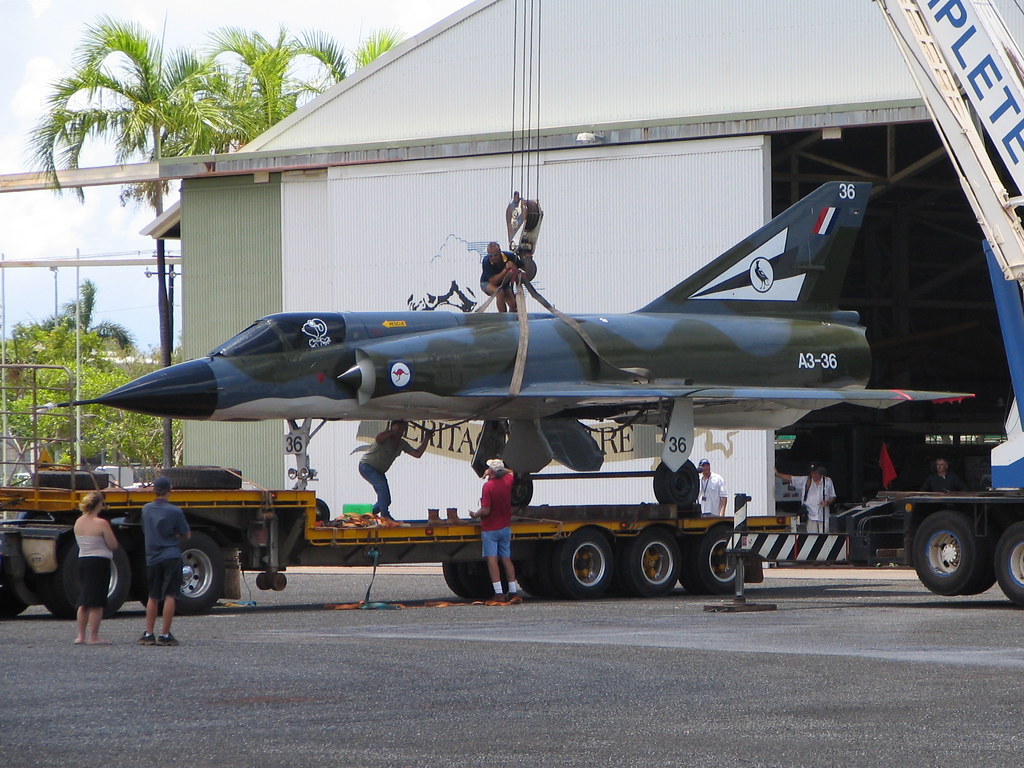
Darwin's World War II history, marked by the Japanese air raids of 19 February 1942 in which 188 Japanese aircraft in two waves attacked Darwin Harbour and the town in the largest single attack on Australian soil in history, killing 235 people and sinking eight ships, has shaped the city's identity and its relationship to the Asia-Pacific strategic geography in ways that the civilian history of most Australian cities does not parallel. The 1942 bombing is Darwin's equivalent of Pearl Harbor in the Australian strategic consciousness, the moment that brought the Pacific War to the Australian mainland and that the remembrance ceremonies on 19 February each year mark as the city's most significant historical event.
The Darwin Military Museum at East Point, occupying the site of the wartime gun emplacements that defended Darwin Harbour from naval bombardment, provides the comprehensive interpretation of Darwin's WWII experience and the broader Australian engagement with the Pacific War that the museum's collection of the period vehicles, aircraft, weapons, and documentary material supports. The gun emplacements preserved at East Point, the 9.2-inch guns that were never fired in anger and the fire control infrastructure that served them, provide the physical infrastructure of the wartime defensive system that the museum interprets in the site-specific context that the museum alone cannot achieve.
The WWII oil storage tunnels beneath Darwin's CBD, the underground fuel storage system that the military built to protect the fuel supply for the Northern Territory's air campaign from the aerial bombing that the Japanese aircraft had demonstrated was a real threat, are one of Darwin's most distinctive and most popular heritage attractions. The walk through the tunnels, which held over 80 million litres of aviation fuel during the war and that the Darwin City Council has opened for the guided tours that the heritage significance and the physical drama of the underground infrastructure justify, provides the wartime experience that the physical reality of the tunnels makes more immediate than any museum exhibit.
The Bombing of Darwin, the annual ceremony on 19 February at the Darwin Cenotaph where the veterans, the defence community, and the Darwin public gather to remember the raid and the people who died in it, has taken on the national significance that the scale of the attack and the uniqueness of the event in Australian history warrants. The ceremony's growing attendance and the media coverage that the anniversary attracts reflect the recognition that the Darwin bombing deserves as the most significant military attack on Australian soil and the event that most directly brought the reality of the Pacific War to the Australian civilian experience.
This article was compiled by AI from the sources linked above and screened before publishing. See our editorial standards.
Your reaction
Spread the word
About this article
Published by The Daily Darwin
Daily brief
Free, in your inbox before 7am. Weekdays.
The Daily Network — local news across Australia