Palmerston: Darwin's Satellite City Is Growing Up
The planned satellite city south of Darwin has become the Territory's fastest growing urban area.
The planned satellite city south of Darwin has become the Territory's fastest growing urban area.
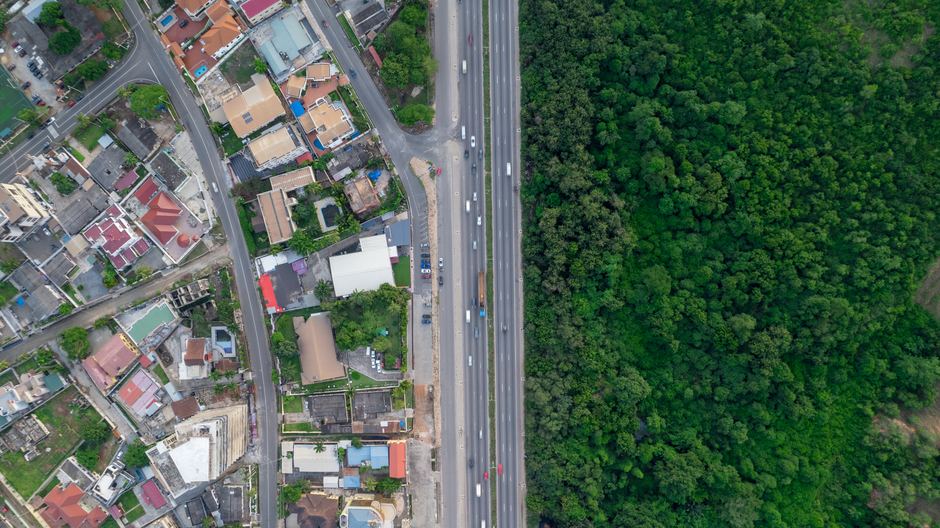
Palmerston, the planned satellite city established 25 kilometres south of Darwin's CBD in the 1980s to provide the land release that the Territory's growing population required, has developed in the four decades since its foundation from a collection of residential subdivisions in the scrub to a city of more than 40,000 people with its own commercial centre, schools, community facilities, and the suburban character of a young Australian city still building its institutions and its identity. The city's planned origin, reflecting the Territory government's deliberate decision to develop a second urban centre rather than continue the suburban sprawl of Darwin, gives Palmerston the regular street grid and the infrastructure provision that distinguishes planned new towns from organic suburban growth.
The growth corridors of Palmerston's southern fringe, where the Zuccoli and Kowandi estate developments are progressively adding new residential land to the Territory's housing supply, represent the primary new housing development in the Darwin-Palmerston urban area. The new estates' combination of standard house and land packages and the infrastructure contributions that developers make to the roads, parks, and community facilities of the growing neighbourhoods creates the suburban environment that the young defence force families and the professional households choosing to buy in the Territory's more affordable housing market select.
The Palmerston Regional Hospital, opened in 2018 as the first new public hospital in the Territory in decades, provides the healthcare infrastructure for Palmerston and the southern Darwin catchment that the city's population required. The hospital's co-location with Charles Darwin University's health education programs provides the academic hospital model that trains the clinical workforce in the environment where they will practise.
The defence force community's significant presence in Palmerston, with the Robertson Barracks and the associated ADF families housing concentrated in and around the Palmerston area, creates the community characteristics that defence communities bring to the suburban landscape: the two-year posting cycle that turns over a significant proportion of the population every few years, the community support networks that military families develop to manage the challenges of the posting life, and the community organisations that the military culture sustains.
This article was compiled by AI from the sources linked above and screened before publishing. See our editorial standards.
Your reaction
Spread the word
About this article
Published by The Daily Darwin
Daily brief
Free, in your inbox before 7am. Weekdays.
The Daily Network — local news across Australia