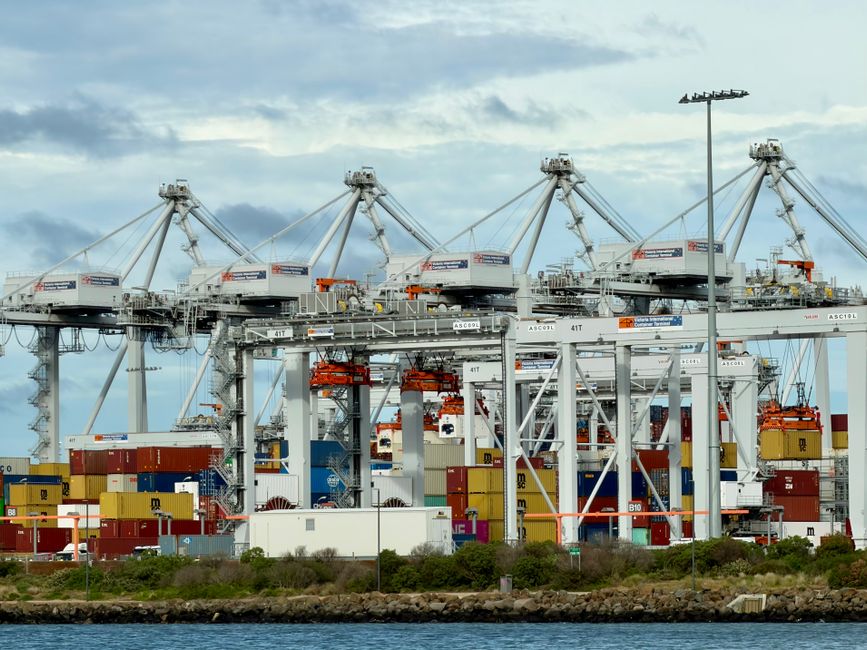
Darwin Port freight operations continue as regulatory scrutiny of Chinese lease arrangements persists
The long-term lease of Darwin Port to a Chinese company remains a topic of national security and commercial debate, with freight operations continuing through the political uncertainty.
Darwin Port's long-term lease arrangement with Landbridge, a Chinese company, remains one of Australia's most discussed examples of the intersection between foreign investment and national security policy. The 99-year lease, signed in 2015, has been the subject of review and consideration at various government levels, with the port's proximity to military facilities and its role in Australia's northern logistics network making the arrangement a recurring topic in national security discussions.
Through the political uncertainty, the port's operational functions have continued without the kind of disruption that the controversy might have suggested was imminent. Freight volumes have tracked with the underlying economic drivers of Darwin's trade, including resource exports, cattle shipments to Southeast Asia and general cargo for the Northern Territory's domestic consumption needs.
The live cattle export trade through Darwin Port is one of its most distinctive functions, connecting Northern Territory and northern Western Australian pastoral operations to markets in Southeast Asia and the Middle East. This trade is subject to its own policy environment, with animal welfare regulations governing live export operations a consistent source of industry and advocacy group engagement.
The port's long-term commercial prospects are closely tied to Darwin's overall economic trajectory. If the defence expansion, resource project development and population growth scenarios that are central to Darwin's planning assumptions materialise, the port will need to expand capacity. The governance questions around the lease arrangement add complexity to that planning process, as investment decisions require clarity about the long-term ownership and operating framework.
This article was compiled by AI from the sources linked above and screened before publishing. See our editorial standards.