Darwin renters breach 30% rent threshold as vacancy tightens
Rising rents force Darwin tenants beyond the affordability benchmark as tight vacancy rates narrow the gap between renting and buying.
Rising rents force Darwin tenants beyond the affordability benchmark as tight vacancy rates narrow the gap between renting and buying.
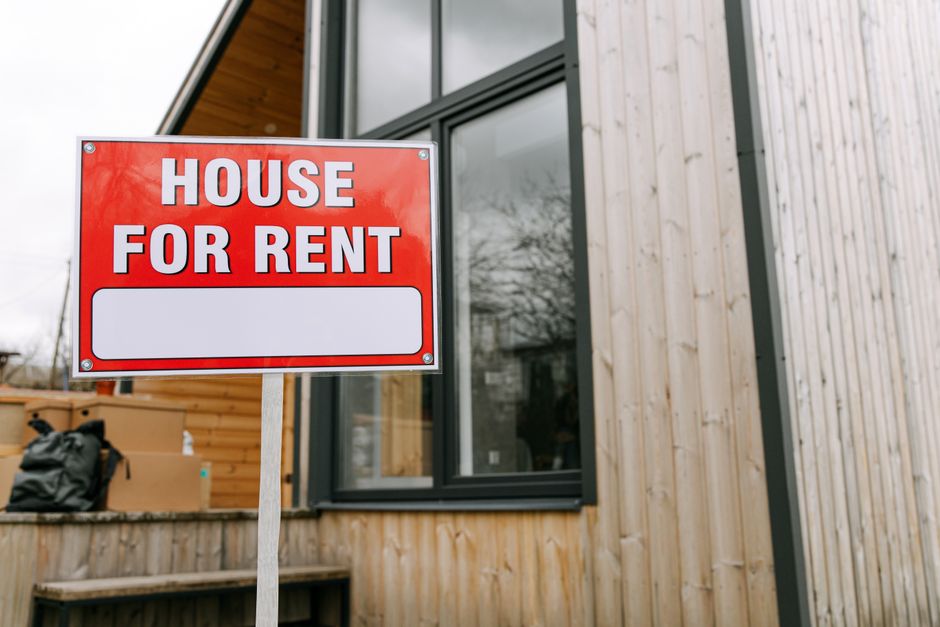
The textbook wisdom is simple: spend no more than 30 per cent of gross household income on rent. But in Darwin's tightening rental market, that rule is increasingly honoured in the breach rather than the observance.
With median rents across the Top End now pushing toward $2,200 monthly for a three-bedroom home, a household earning $95,000 annually—roughly the NT average for government and defence workers—would spend 27.8 per cent on housing. Slip to $80,000 and that figure climbs to 33 per cent. For single-income earners, the math becomes even grimmer.
"The 30 per cent benchmark remains relevant," explains the Real Estate Institute of the Northern Territory, "but Darwin's rental yield advantage—sitting at 6-7 per cent, the highest in Australia—is creating unusual pressure on both sides of the rental ledger." That high yield attracts investor demand, squeezing supply and pushing rents upward just as Adelaide and other southern capitals cool.
Consider two neighbourhoods illustrating the tension. In Palmerston, where new suburban growth continues to absorb families relocating for defence sector jobs, three-bedroom homes now rent for $1,900-$2,050 monthly. Closer to the CBD—Larrakeyah, Mitchell, and the postcode's gentrifying edges—comparable properties command $2,200-$2,500. A household earning the NT median ($67,000) cannot afford either without breaching the 30 per cent threshold.
The renter-versus-buyer calculus is shifting. With the NT median house price hovering near $490,000, owner-occupiers face 5.5 per cent mortgages and $2,600-$2,800 monthly repayments over 25 years—plus rates, insurance, and maintenance. On paper, buying appears comparable. But renters lack capital, deposit-saving competes with rent, and landlords control price trajectories.
Meanwhile, defence spending uplift is fuelling demand from transferring personnel unfamiliar with Darwin's rental ecology. They often accept above-threshold rent to secure housing quickly near Larrakeyah precinct or northern suburbs, normalising higher outgoings across the market.
The consequences are subtle but real. Households exceeding the 30 per cent threshold show higher stress levels, reduced savings, and diminished capacity to weather crises. For Darwin's younger renters and single earners, the golden rule is becoming unattainable—not due to recklessness, but due to structural supply constraints and strong investor competition.
Until new residential development in Palmerston and outer suburbs substantially increases rental stock, expect Darwin renters to continue defying tradition, stretching budgets further, and watching their southern counterparts debate falling property prices from afar.
This article was compiled by AI and screened before publishing. See our editorial standards.
Your reaction
Spread the word
About this article
Published by The Daily Darwin
Daily brief
Free, in your inbox before 7am. Weekdays.
The Daily Network — local news across Australia