Darwin's wet season rebranding as "the Green Season" is reshaping visitor patterns
Tourism NT's effort to promote the Top End's monsoonal summer as a rich sensory experience is beginning to attract visitors who previously avoided the wet season months.
Darwin's tourism industry has long grappled with the challenge of the wet season, the monsoonal summer period from November to April when high humidity, afternoon thunderstorms and occasional flooding have historically deterred visitors who prefer the dry season's clear skies and comfortable temperatures. Tourism NT's sustained effort to rebrand this period as "the Green Season" and reframe its characteristics as assets rather than liabilities is showing results in visitor research and, gradually, in booking patterns.
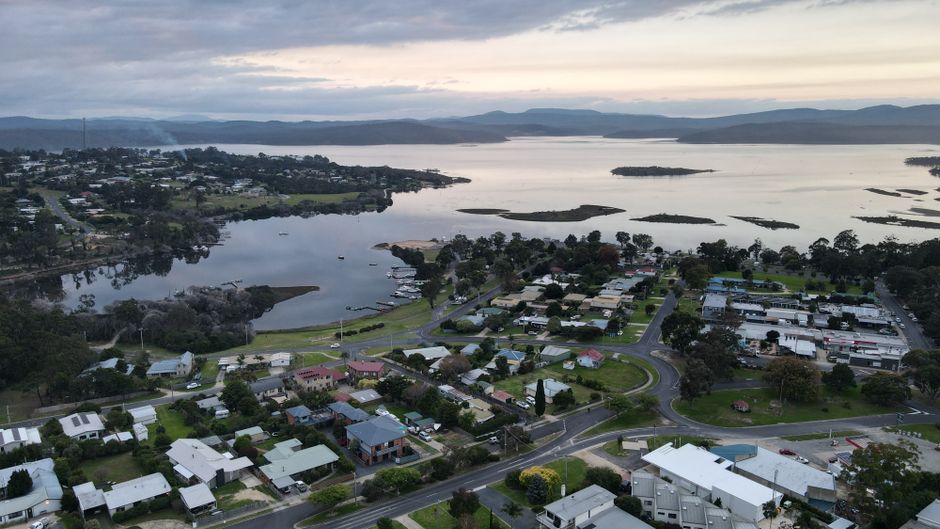
The Green Season pitch centres on the dramatic landscapes that emerge when the monsoon transforms the Top End's savannah from the brown and red tones of the dry season to vivid green. Waterfalls that are dry or reduced during the peak season run at full volume, wetlands fill and support extraordinary bird and wildlife activity, and the afternoon electrical storms provide a spectacular natural display that has found a receptive audience among photography and nature-focused travellers.
Pricing is a significant driver. Wet season accommodation rates in Darwin are substantially lower than the dry season peak, and airlines and tour operators typically offer attractive deals that make a Green Season visit significantly more affordable than the same trip during the visitor-heavy dry months. Budget-conscious travellers who have previously assumed Darwin was expensive during the periods they wanted to travel are finding the wet season proposition attractive.
The challenge for the rebranding effort is that some wet season conditions genuinely do restrict visitor activities, with some roads into national parks closed during peak rain periods and outdoor activities sometimes disrupted. Honest communication about what visitors can expect is a component of Tourism NT's approach, recognising that disappointed expectations are more damaging to repeat visitation than accurate pre-trip communication.
This article was compiled by AI from the sources linked above and screened before publishing. See our editorial standards.