Cost of living in Darwin: the real numbers behind the Tropical lifestyle
Darwin's higher wages and unique expenses create a distinct household budget picture.
Darwin's higher wages and unique expenses create a distinct household budget picture.
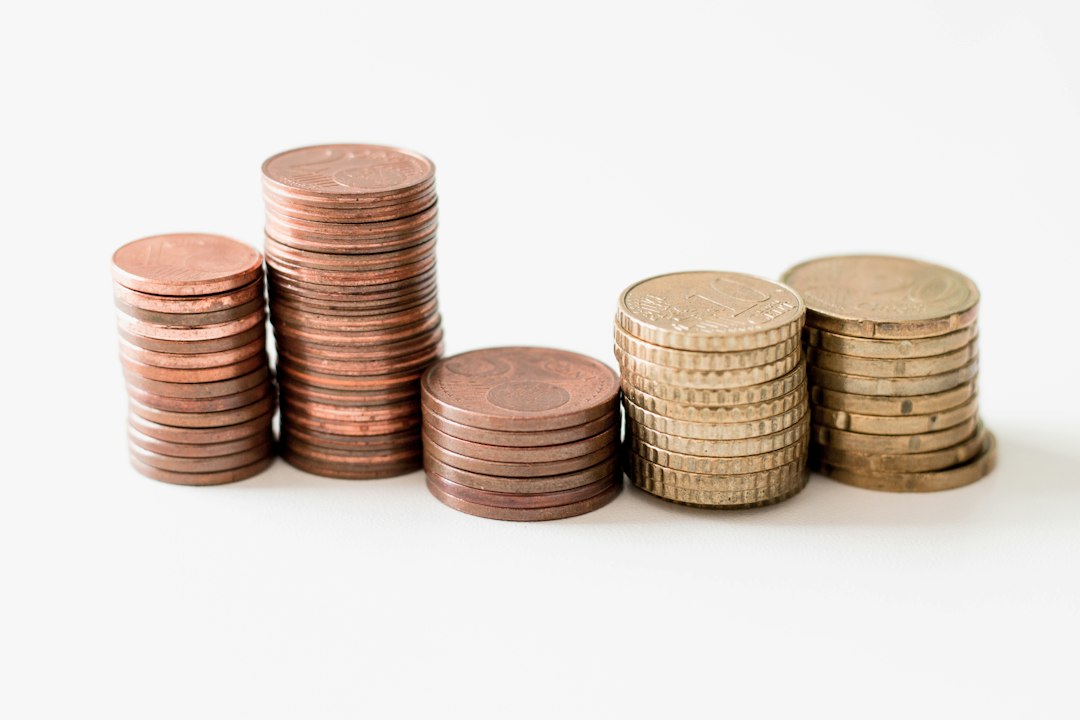
Darwin's cost of living is a complex picture: higher than most Australian cities in some expense categories — groceries, fuel, and insurance are noticeably above southern benchmarks — but comparable or favourable in others, including housing costs for owner-occupiers who purchased before the current market cycle, the absence of winter heating costs that add $1,000-$2,000 annually to southern household energy bills, and the genuinely low cost of outdoor recreation that makes Darwin's lifestyle appealing without the expensive consumption that a full social calendar in Sydney or Melbourne requires.
Groceries in Darwin are typically 15-25 per cent above equivalent prices in Sydney and Melbourne, reflecting the cost of transporting goods from southern distribution centres and the smaller competitive market that limits the price competition between supermarkets and specialty food retailers. Darwin residents who can access fresh produce from the NT's horticultural growers — mangoes, leafy vegetables, herbs — during peak growing seasons can moderate this cost, but the overall grocery budget for a Darwin household is materially higher than for an equivalent southern household.
Insurance costs in Darwin are significantly elevated compared to the rest of Australia, reflecting the property damage risk from cyclones, which has been the subject of increased actuarial conservatism among insurers since Cyclone Tracy demonstrated the catastrophic loss potential of a direct cyclone strike on Darwin's built environment. Building insurance for a Darwin house is typically 3-4 times the premium for a comparable property in Adelaide or Perth, and this cost must be factored into any financial assessment of Darwin property ownership.
Compensation comes in the form of the Darwin allowance — a loading paid by the Commonwealth and most major employers to compensate for the higher cost of living in remote Australia — and the generally above-average wages in the Darwin market reflecting the competition for skilled workers in a small, isolated labour market.
This article was compiled by AI from the sources linked above and screened before publishing. See our editorial standards.
Your reaction
Spread the word
About this article
Published by The Daily Darwin
Daily brief
Free, in your inbox before 7am. Weekdays.
The Daily Network — local news across Australia