Moving to Darwin? Here's what locals actually want you to know
Forget the guidebooks—we asked residents who've made the leap to share their honest tips on settling into Australia's most dynamic northern city.
Forget the guidebooks—we asked residents who've made the leap to share their honest tips on settling into Australia's most dynamic northern city.
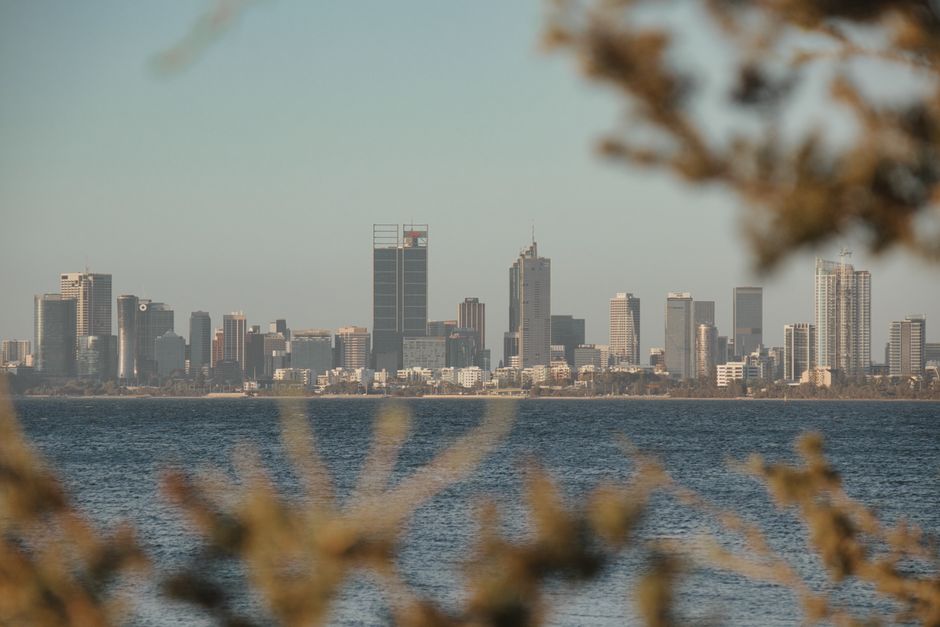
Darwin's reputation as a transient posting often obscures a deeper truth: those who stay beyond the initial contract tend to build genuinely rooted lives here. We spoke with long-term residents across the city's evolving neighbourhoods to distil what actually matters when you're relocating to the Territory's capital.
Neighbourhood choice shapes your entire experience. Palmerston, the sprawling suburb south of the city, offers the most affordable housing—median rent sits around $380–420 weekly for a three-bedroom—but the 20-minute commute to central Darwin's Cavenagh Street precinct isn't for everyone. Fannie Bay remains the sweet spot for those seeking walkability and community; expect to pay $450+ weekly, but you're metres from East Point Reserve and the Nightcliff beachfront strip. Newer residents gravitating toward Larrakeyah appreciate proximity to the waterfront and Darwin Performing Arts Centre, though gentrification is quietly reshaping the area's character.
Practical logistics matter more than you'd think. The dry season (May–October) is genuinely the time to visit for your final decision; wet season humidity and cyclone anxiety aren't marketing fiction. Most locals recommend securing accommodation before arrival—the rental market tightens quickly—and registering with the NT registration authority well in advance if you're bringing vehicles. Public transport via Darwin Bus Service covers major routes but requires patience; many expats invest in reliable second-hand vehicles early.
Build community intentionally. Darwin's transient nature means friendship networks require active cultivation. The Darwin Multicultural Association, community groups along Mitchell Street, and sports clubs (from sailing at the Darwin Sailing Club to weekly parkrun at East Point) provide genuine entry points. Language barriers are minimal, but cultural curiosity opens doors faster than cynicism.
Cost of living isn't negligible. Groceries run 15–20% above southern Australian prices due to freight. Dining out at established venues along the waterfront ranges $18–35 per main. Utilities spike during the cooling season (September–November). Many established residents recommend a 3–6 month financial buffer before relocating.
Embrace the seasonal rhythm. The wet season isn't a bug—locals genuinely slow down, invest in indoor hobbies, and reconnect with family. Rather than resist the rhythm, working with it—taking leave during the stickiest months, planning outdoor activities around the dry—transforms adaptation into lifestyle design.
Darwin rewards those who approach relocation with curiosity rather than expat entitlement. The city's rapid growth and infrastructure development (new defence precinct, evolving arts scene) create genuine opportunity for those willing to plant roots.
This article was compiled by AI from the sources linked above and screened before publishing. See our editorial standards.
Your reaction
Spread the word
About this article
Published by The Daily Darwin
Daily brief
Free, in your inbox before 7am. Weekdays.
The Daily Network — local news across Australia