Darwin's Commute is Going Micro: How the City's Transport Culture is Being Reimagined
E-scooters, bike lanes and on-demand services are reshaping how residents move between the waterfront, CBD and suburbs.
E-scooters, bike lanes and on-demand services are reshaping how residents move between the waterfront, CBD and suburbs.
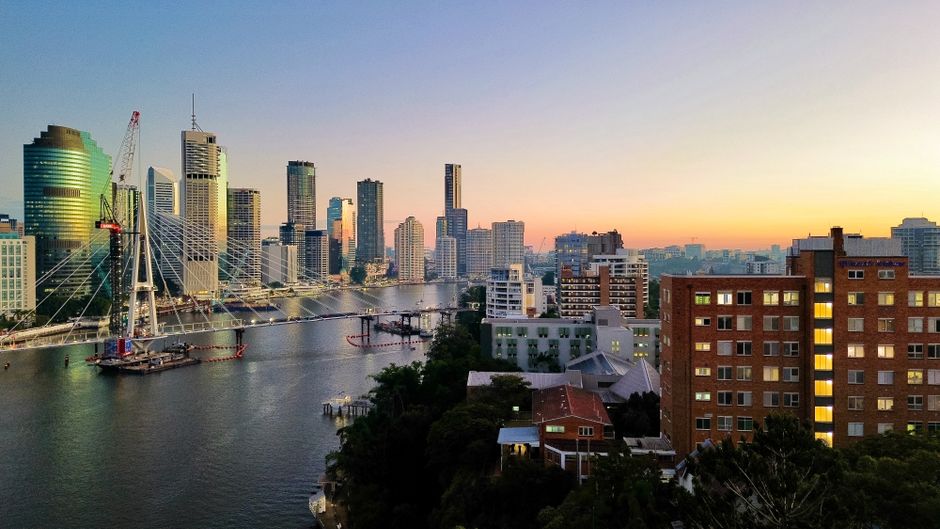
Five years ago, the vision of Darwin commuters zipping down Smith Street on electric scooters would have seemed fanciful. Today, it's routine. The Northern Territory capital's transport landscape is undergoing a quiet revolution, driven by younger workers, sustainability concerns, and frustration with gridlock around the Esplanade precinct during peak hours.
The shift became tangible in 2024 when the Darwin City Council completed its $12 million Bikeability Strategy, introducing protected cycle lanes along Mitchell Street and expanding the network through Parap and Larrakeyah. Usage data tells the story: bike commuting on these routes has jumped 43 per cent year-on-year, according to council monitoring.
"We're seeing people who would never have considered cycling now making it part of their routine," says a transport planning officer at the council. Shared e-scooter services, operated by two competing platforms, now log over 8,000 daily trips across the city—a figure that barely existed three years ago. The average ride costs $4.50 and covers just under 2 kilometres, typically bridging gaps between public transport nodes and final destinations.
But the transformation extends beyond micro-mobility. The Darwin Bus Rapid Transit corridor, which opened sections last year connecting the airport to the CBD via Fannie Bay, has started reshaping commute patterns. Monthly patronage on the dedicated busway now exceeds 120,000 passengers, reducing journey times from the airport to downtown from 35 minutes to 18.
This evolution reflects deeper shifts in how Darwin's workforce—increasingly concentrated in professional services and tech sectors—values time and convenience. With parking in the CBD now averaging $18 per day, and fuel prices fluctuating with global oil markets, alternatives suddenly make financial sense for the 60,000 daily commuters negotiating the city's arterial roads.
The Waterfront precinct, once dominated by car traffic, is experimenting with car-free zones on weekends, trialling expanded pedestrian access. Local business owners report mixed reactions: some worry about reduced accessibility, while others see foot traffic increases translating to higher sales.
Not everyone is embracing the change. Suburban residents in Fannie Bay and Larrakeyah—areas less served by new infrastructure—express frustration about unequal investment. Advocacy groups are pushing for expanded coverage, pointing out that transport equity remains a challenge.
Still, the trajectory is clear. Darwin's commute is becoming faster, greener, and decidedly less car-centric than the oil-dependent model that dominated the previous two decades.
This article was compiled by AI from the sources linked above and screened before publishing. See our editorial standards.
Your reaction
Spread the word
About this article
Published by The Daily Darwin
Daily brief
Free, in your inbox before 7am. Weekdays.
The Daily Network — local news across Australia