Darwin's Green Heart: The People Making Our Parks Come Alive
From sunrise tai chi on the waterfront to weekend cricket leagues in suburban ovals, the faces behind Darwin's outdoor spaces reveal what truly connects this tropical city.
From sunrise tai chi on the waterfront to weekend cricket leagues in suburban ovals, the faces behind Darwin's outdoor spaces reveal what truly connects this tropical city.
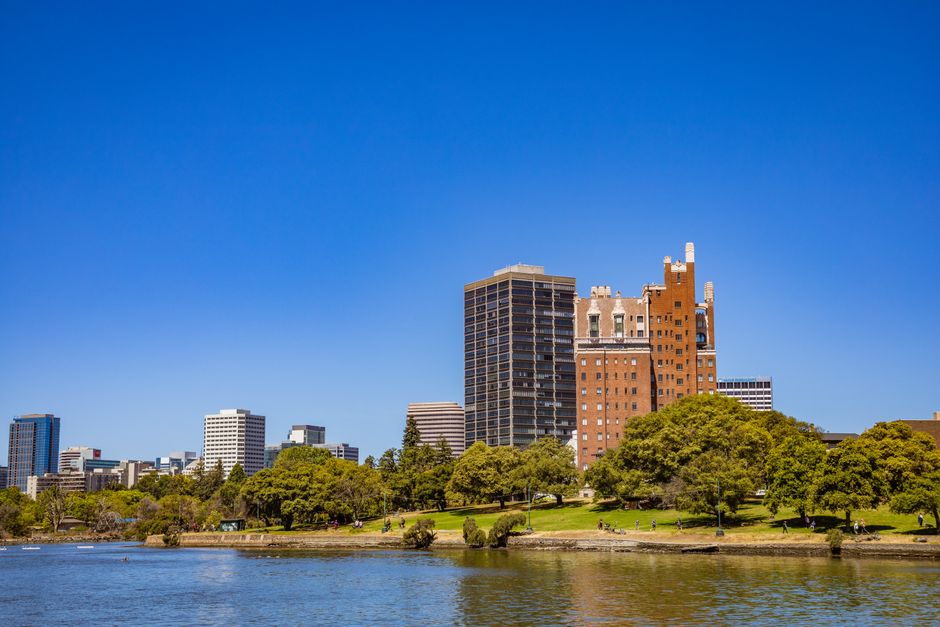
On any given morning along the Esplanade, you'll find the same familiar figures moving through their routines: tai chi practitioners catching the dawn light, joggers navigating the shaded pathways, and elderly residents claiming their favourite benches with the ease of long habit. These aren't just park-goers; they're the living architecture of Darwin's outdoor culture, the people who've transformed our green spaces into genuine community anchors.
Darwin's parks have undergone a quiet renaissance over the past five years. The Botanic Gardens, spanning 42 hectares across the northern suburbs, now welcomes over 180,000 visitors annually—a 30% increase since 2022. But statistics don't capture the real story. What matters is Marcus, the retired maritime engineer who volunteers three mornings a week leading botanical tours, or the multi-generational Filipino families who've made the palm-lined walkways their Sunday gathering place, spreading picnic blankets and introducing children to the native orchids their parents came to Darwin knowing nothing about.
In East Point Reserve, the transformation has been equally profound. What was once primarily a recreational precinct has evolved into a genuine social hub, with the amphitheatre hosting everything from community theatre to acoustic performances. The reserve now hosts approximately 40 organised events annually, many coordinated by locals who've simply decided their neighbourhoods deserved better.
The cricket oval at Nightcliff Park tells another story entirely. Every Thursday evening during the dry season, you'll find three separate leagues operating simultaneously—a structure built entirely by residents who recognised the demand. What started five years ago as an informal gathering of South Asian expats has grown into a 200-plus member community, complete with tournament brackets and a waiting list for new players.
Recent council initiatives have supported this groundswell of engagement. The Darwin Parks and Gardens Foundation now coordinates volunteer programs across the city's 12 major green spaces, with over 400 registered volunteers contributing approximately 8,000 hours annually. The investment is modest—roughly $2.3 million annually—but the return, measured in community cohesion and mental health outcomes, extends far beyond budget lines.
What makes Darwin's outdoor renaissance genuinely distinctive is its lack of pretension. These aren't curated Instagram spaces; they're functional, well-loved, and shaped entirely by who shows up. The yoga instructor at the Gardens who recognised a lonely widow three years ago and gently integrated her into a social group. The university students who initiated the weekend tree-planting program in Palmerston. The grandmothers who've claimed corner benches as informal childcare hubs.
Darwin's parks matter because the people in them matter. And that's what's worth celebrating.
This article was compiled by AI from the sources linked above and screened before publishing. See our editorial standards.
Your reaction
Spread the word
About this article
Published by The Daily Darwin
Daily brief
Free, in your inbox before 7am. Weekdays.
The Daily Network — local news across Australia