Darwin's Neighbourhood Guide: What You Really Need to Know About Cost, Access and Moving Here
From waterfront premiums to hidden pockets of affordability, here's the complete breakdown of settling into Australia's most dynamic tropical city.
From waterfront premiums to hidden pockets of affordability, here's the complete breakdown of settling into Australia's most dynamic tropical city.
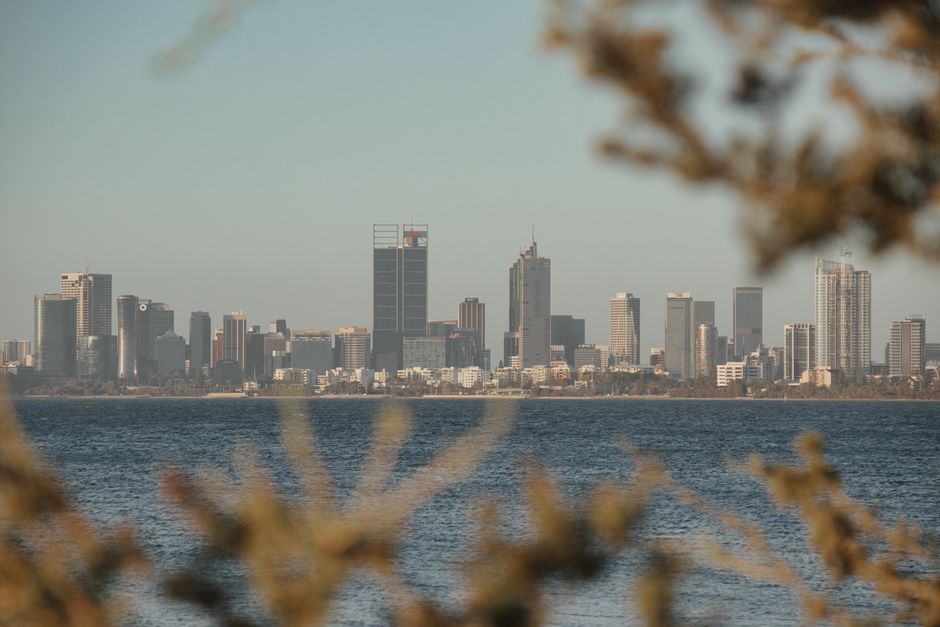
Darwin's renaissance as a lifestyle destination has transformed the conversation around urban living in the Top End. But before you pack your bags for the Esplanade or commit to a lease in Fannie Bay, understanding the real costs and logistics of neighbourhood life here is essential.
The waterfront precinct remains Darwin's most coveted—and expensive—address. Mitchell Street and the surrounding Esplanade command premium rents, with one-bedroom apartments averaging $2,200–$2,600 monthly. You're paying for proximity to restaurants, galleries, and the sparkling Darwin Harbour views. Access is excellent: the CBD's walkability is genuine, and the regular free shuttle service connects major precincts. But expect to sacrifice space and negotiate tropical humidity without substantial air-conditioning systems.
Fannie Bay offers a middle ground. This established neighbourhood, anchored by the Museum and Art Gallery of the Northern Territory and the popular Nightcliff Pier precinct, delivers community feel with reasonable accessibility. Rental prices here sit 15–20 percent lower than the waterfront, with two-bedroom houses available from $1,800 upward. The trade-off: you'll need reliable transport, though the Darwin Bus Service covers most routes adequately.
For genuine affordability, look inland toward Larrakeyah and Parap. These neighbourhoods are experiencing grassroots renewal—independent cafés, weekend markets at Parap Village, and emerging creative spaces are reshaping perceptions. Monthly rents drop to $1,400–$1,700 for comparable properties. Public transport remains functional but less frequent; many residents invest in vehicles or bicycles.
Practicalities matter in Darwin's climate. Budget for air-conditioning maintenance ($800–$1,200 annually), cyclone-proofing considerations, and higher-than-average electricity costs (roughly 30 percent above southern Australian averages). Grocery shopping costs approximately 12–15 percent more than Melbourne or Brisbane due to supply chain distances.
Employment concentration remains CBD-focused, though tech and creative sectors are decentralising. The Darwin Waterfront Corporation and Northern Territory Government remain major employers, alongside growing private sector opportunities.
Before committing, visit during the wet season (November–April) to experience the climate reality. Attend community events at the Darwin Entertainment Centre or local markets. Connect with neighbourhood Facebook groups—locals share genuine insights about schooling, medical services, and lifestyle rhythm.
Darwin rewards those who embrace its distinctive character. The cost of entry is real, but for those seeking Australia's most vibrant tropical urban experience, it increasingly justifies the investment.
This article was compiled by AI from the sources linked above and screened before publishing. See our editorial standards.
Your reaction
Spread the word
About this article
Published by The Daily Darwin
Daily brief
Free, in your inbox before 7am. Weekdays.
The Daily Network — local news across Australia