Your Darwin Survival Kit: A Practical Guide for Newcomers Ready to Actually Live Here
Beyond the postcard sunsets and crocodile warnings, here's how to navigate Australia's most vibrant tropical city like you actually belong.
Beyond the postcard sunsets and crocodile warnings, here's how to navigate Australia's most vibrant tropical city like you actually belong.
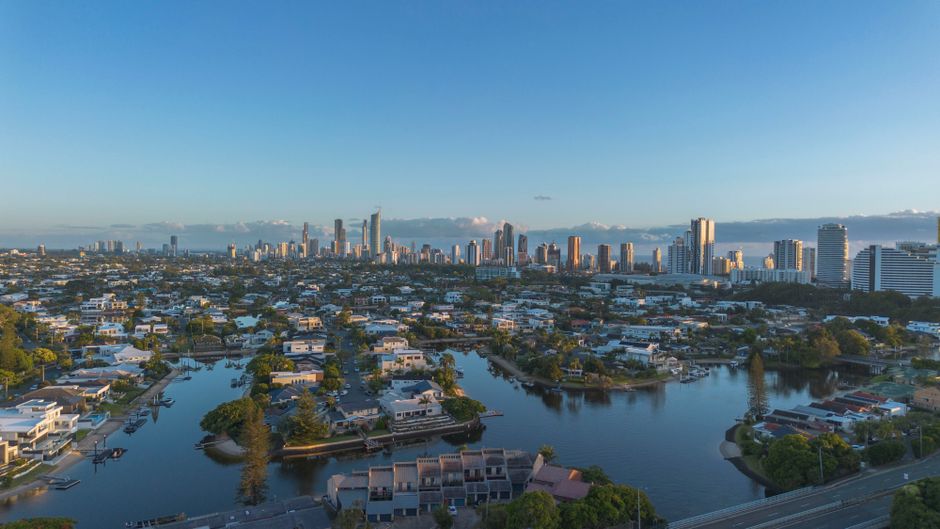
You've arrived in Darwin. The humidity hit you first—a wall of warm, sticky air that makes you understand why locals move slowly and hydrate constantly. Now what? Unlike Sydney or Melbourne, Darwin rewards those willing to venture beyond the obvious, and its tight-knit expat and local community thrives on people who embrace the rhythms of life in Australia's most adventurous capital.
Start with the essentials. Mitchell Street remains Darwin's cultural spine, though savvy residents know to explore the quieter laneways between Knuckey and Smith Streets, where independent cafés and galleries have quietly flourished. The Stuart Park precinct has transformed over recent years, attracting young families and professionals seeking genuine community rather than corporate polish. Rent typically ranges from AUD $1,800–$2,500 monthly for a three-bedroom house, with Darwin Waterfront commanding premium prices but offering unbeatable lifestyle value.
Your first month should include the Darwin Nightcliff Markets—operating Wednesday evenings and Sunday mornings—where you'll meet locals, source fresh tropical produce, and understand the city's agricultural calendar. The Mindil Beach Sunset Markets (April to October) are legendary; arrive by 4pm if you value parking.
Registration matters. Get your Northern Territory driver's license sorted at the Transport NT office on Harry Chan Avenue; international licenses work temporarily, but locals move fast. Banking? Most major Australian institutions have Darwin branches, though local credit unions offer personalized service worth exploring.
For orientation, the Darwin Museum and Art Gallery of Northern Territory on Conacher Street provide genuine insight into Indigenous cultures and local history—essential context rather than tourist box-ticking. The East Point Reserve offers walking trails, swimming spots, and sunset viewpoints frequented by residents (not visitors) seeking perspective.
Join something immediately. Whether it's a sports club at the Darwin Aquatic Centre, a volunteer organisation like the Darwin Community Legal Service, or a casual running group assembling at Bicentennial Park, participation accelerates belonging. Expat Facebook groups exist, but the real integration happens when you show up consistently somewhere physical.
Understand the seasons: the Dry (May–October) is paradise; the Wet (November–April) demands respect and flexibility. Plan accordingly. A four-wheel drive isn't essential in town, but understanding road conditions during monsoonal season is survival knowledge, not paranoia.
Finally: slow down. Darwin's pace is deliberate. Coffee takes time. Conversations meander. Relationships matter more than efficiency. This isn't laziness—it's wisdom earned across generations in the tropics. Once you accept this, everything becomes easier.
This article was compiled by AI from the sources linked above and screened before publishing. See our editorial standards.
Your reaction
Spread the word
About this article
Published by The Daily Darwin
Daily brief
Free, in your inbox before 7am. Weekdays.
The Daily Network — local news across Australia