Darwin's Parks Are Getting a Radical Makeover—And Locals Are Finally Reclaiming Them
From the waterfront to suburban pockets, the city's green spaces are being reimagined as year-round gathering places rather than just weekend refuges from the heat.
From the waterfront to suburban pockets, the city's green spaces are being reimagined as year-round gathering places rather than just weekend refuges from the heat.
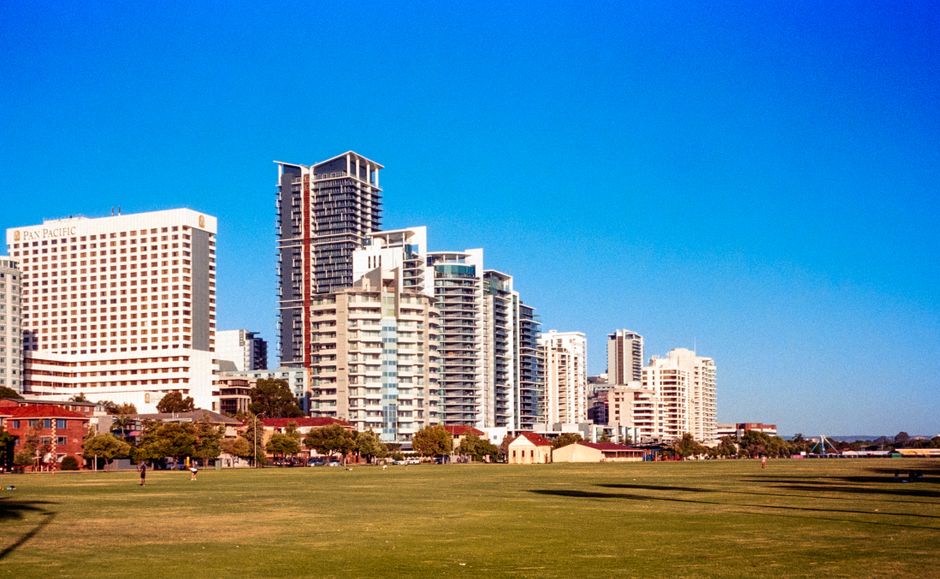
Five years ago, Darwin's parks were largely utilitarian—functional patches of grass where families sought shade during the dry season and then abandoned come October. Today, the transformation is unmistakable. Walk along the Esplanade between 6 and 8pm on any weeknight and you'll find a constellation of activity that would have seemed unlikely just a few years back: outdoor fitness classes, pop-up markets, community gardens, and multigenerational groups claiming benches as informal meeting points.
The shift reflects broader changes in how Darwinites are choosing to spend time outdoors. Major investment in infrastructure—including the recent $4.2 million upgrade to Frances Bay Park's amenities and the introduction of water-misting stations across the Botanic Gardens—has made extended park time genuinely comfortable. The council's 2024 Parks and Recreation Strategy explicitly targets increasing green-space usage from 34% of residents (pre-2022 baseline) to 52% by 2028, a goal that seems increasingly achievable.
But the evolution goes deeper than mere upgrades. Suburbs like Nightcliff and Fannie Bay are experiencing a grassroots reimagining of their local reserves. Small-scale community gardens have sprouted—Garden Road Reserve now hosts twelve family plots managed through the Darwin Community Gardening Network. Monthly gatherings at Kahlin Beach have grown from a handful of locals to 200-plus regulars who use the foreshore for everything from tai chi to informal art installations.
The Parap precinct has emerged as the city's unexpected green-space epicentre. What was once a sleepy neighbourhood has attracted three new hospitality venues with substantial outdoor seating, all positioned to capitalise on nearby parks. Property values in surrounding streets have risen approximately 18% over three years—a phenomenon local real estate agents partially attribute to the "green amenity premium."
Not everyone celebrates the changes without reservation. Long-time park users note that increased foot traffic and commercialisation—particularly the proliferation of food trucks and licensed venues—have altered the character of traditionally quiet spaces. There's also growing concern about maintenance; Parks and Wildlife Services reports that staffing levels haven't kept pace with usage demands.
Still, the trajectory is clear. For a city where outdoor living has always been essential to survival, Darwin's parks are transitioning from escape routes to genuine social infrastructure. Whether this represents sustainable evolution or growing pains remains to be seen—but for now, the city's green spaces have finally captured the sustained attention they arguably always deserved.
This article was compiled by AI from the sources linked above and screened before publishing. See our editorial standards.
Your reaction
Spread the word
About this article
Published by The Daily Darwin
Daily brief
Free, in your inbox before 7am. Weekdays.
The Daily Network — local news across Australia