Your Essential Guide to Darwin's Best Parks and Green Spaces
From waterfront reserves to tropical gardens, here's how to make the most of the Territory's outdoor living this dry season.
From waterfront reserves to tropical gardens, here's how to make the most of the Territory's outdoor living this dry season.
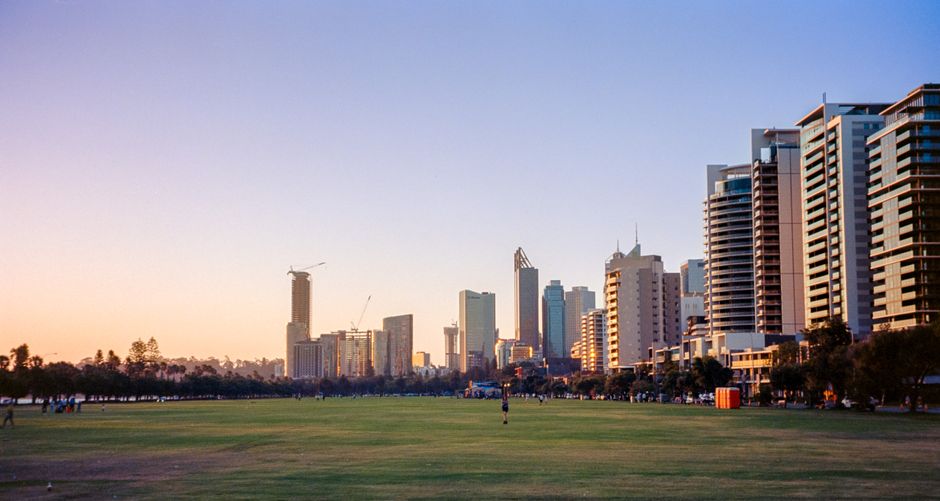
As Darwin residents settle into the cooler months ahead, there's no better time to reclaim the city's exceptional network of parks and green spaces. Whether you're a newcomer or long-time local, a practical approach to outdoor living transforms these natural areas from overlooked destinations into genuine lifestyle anchors.
Start with the obvious: Mindil Beach Reserve remains Darwin's flagship outdoor venue. The sprawling 64-hectare precinct offers more than just swimming—walking trails wind through coastal vegetation, picnic areas with shade structures dot the foreshore, and the sunset markets (June through August) create a vibrant community gathering point. Parking is plentiful, and entry is free; expect crowds on weekends but quieter mornings for focused walks.
For families seeking structured recreation, Larrakeyah Recreation Park on East Point Road delivers. The sports fields, playgrounds, and adjacent Fannie Bay precinct offer shaded seating and accessible amenities. It's practical for weekend routines: drop-in cricket, basketball, or simply supervising children while you settle into a bench with a coffee.
Darwin Botanic Gardens—36 hectares nestled near the airport—merit a dedicated visit rather than a rushed stroll. The Indigenous plant collection and creek-side trails provide genuine quiet immersion. Entry is $12 for adults; morning visits before 10am offer cooler conditions and better photography light. Bring water; shade exists but distances can surprise newcomers.
For something less central, Charles Darwin National Park at 42km south delivers dramatic sandstone escarpments and swimming holes. Yes, it requires a drive, but the payoff is genuine wilderness. Pack supplies; facilities are minimal.
Practical tips for Darwin's environment: hydration isn't optional—carry 2+ litres even on shorter visits. Insect protection matters; bring repellent for late afternoon outings. Footwear should handle uneven terrain; many parks feature natural surfaces rather than sealed paths. Check tide times before beach visits; Darwin's 8-metre tidal range dramatically reshapes access.
Budget-wise, most reserves are free; the Botanic Gardens charge modest entry; community programs through Darwin City Council often offer guided walks at no cost. The city's Dry season (May-September) is genuinely ideal—temperatures around 25-30°C versus 35°C+ during summer.
Green space isn't luxury in Darwin; it's infrastructure for liveable city living. Whether you've got 30 minutes or a full weekend, these reserves offer genuine respite from urban routines. Start small—one new park this week—and build your personal outdoor map.
This article was compiled by AI from the sources linked above and screened before publishing. See our editorial standards.
Your reaction
Spread the word
About this article
Published by The Daily Darwin
Daily brief
Free, in your inbox before 7am. Weekdays.
The Daily Network — local news across Australia