Parks in Darwin: Best Outdoor Spaces in the Top End
Discover Darwin's unique monsoon-shaped parks and indigenous gardens. Explore Bicentennial Park and outdoor spaces that define Australia's most distinctive city.
Discover Darwin's unique monsoon-shaped parks and indigenous gardens. Explore Bicentennial Park and outdoor spaces that define Australia's most distinctive city.
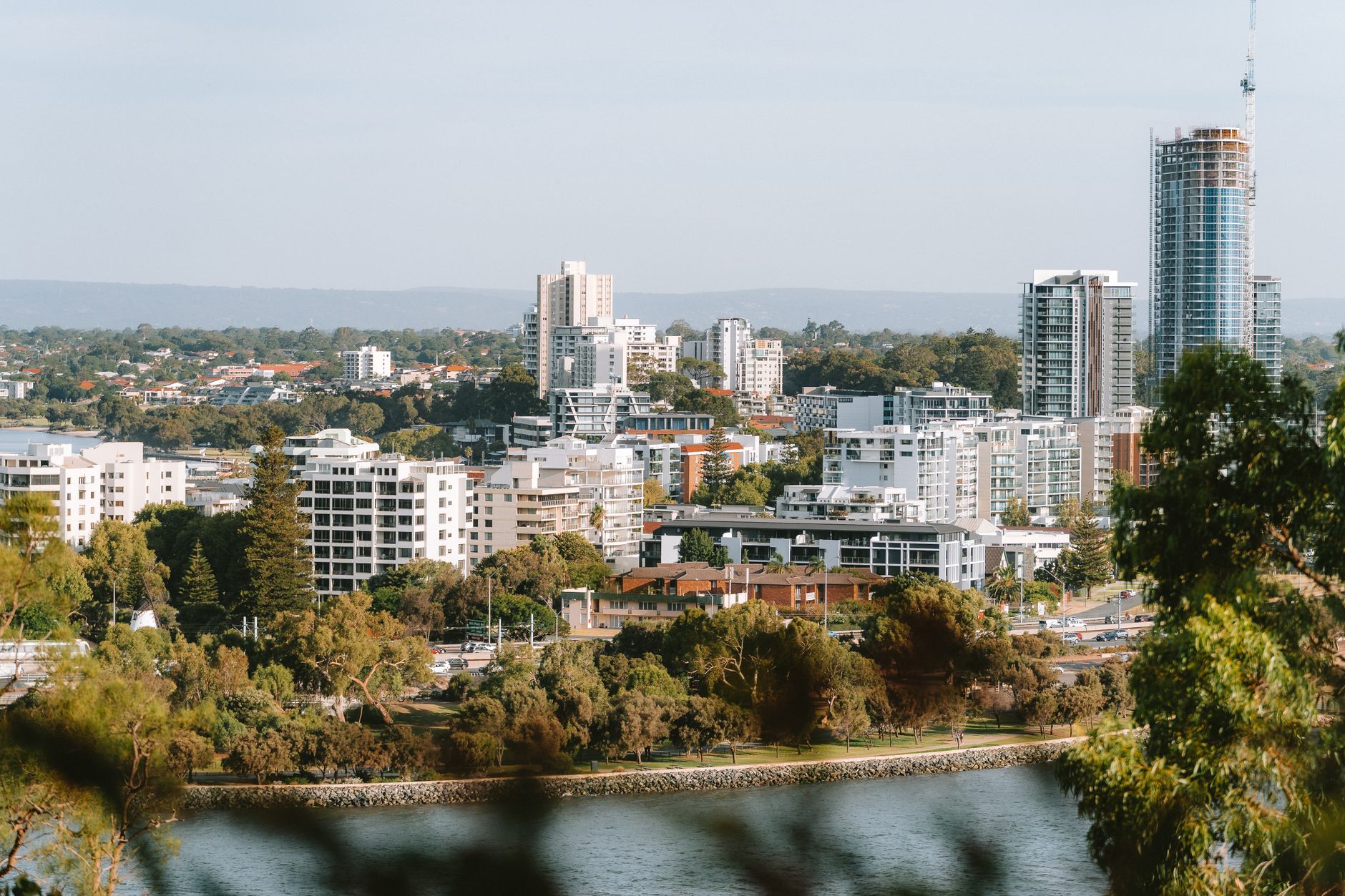
Walk through any major global city and you'll find manicured lawns, European-style monuments, and carefully controlled greenery. Darwin does something radically different—it lets the Top End's raw natural character shape its parks, creating outdoor spaces that are distinctly, unapologetically Australian.
The difference starts with geography. Darwin's parks aren't fighting against the environment; they're embracing it. At Bicentennial Park, sprawling across 20 hectares near the waterfront, the design acknowledges what makes this city unique: it's a place where the dry season explodes with colour and the wet season transforms everything into lush intensity. Unlike temperate cities where parks remain stable year-round, Darwin's green spaces pulse with seasonal drama. Visitors see this reflected in plantings that thrive in tropical conditions—native paperbarks, Darwin stringybarks, and drought-resistant natives that would struggle in London or Toronto.
But the real distinction lies in cultural integration. The Botanic Gardens on Gardens Road aren't simply about horticulture; they're deliberately structured to honour Larrakia Country and Aboriginal plant knowledge. This approach—weaving indigenous ecological understanding into public space design—sets Darwin apart from most international comparisons. You won't find this intentional cultural layer in Miami's parks or Dubai's manicured oases.
The practicality is equally unique. Darwin's outdoor lifestyle isn't aspirational—it's essential. With average temperatures hitting 32°C and humidity regularly climbing above 70 percent, parks serve a different function than elsewhere. The shaded walkways around the Darwin Waterfront Precinct, with their strategically placed pavilions and water features, aren't luxury additions; they're survival features. Locals don't visit parks for recreation alone; they visit because stepping outside requires shelter and strategy.
Pricing reflects this too. Entry to the Botanic Gardens costs just $15 for adults—substantially cheaper than comparable facilities in Sydney or Melbourne—reflecting the city's philosophy that green space should be accessible to everyone, not a premium experience.
The Palmerston Regional Park system extends this philosophy inland, offering what few tropical cities provide: accessible bushland where visitors experience the actual Top End ecosystem rather than a curated interpretation of it. Wild paperbarks frame walking trails, birdlife includes species found nowhere else, and the landscape feels authentic rather than landscaped.
For a city often defined by its geopolitical position and economic importance, Darwin's parks reveal something equally significant: a place that refuses to impose temperate-climate park aesthetics on tropical reality. That defiance—that insistence on letting environment and culture shape public space—is what makes Darwin's outdoor living genuinely distinctive in a world of standardised urban green.
This article was compiled by AI from the sources linked above and screened before publishing. See our editorial standards.
Your reaction
Spread the word
About this article
Published by The Daily Darwin
Daily brief
Free, in your inbox before 7am. Weekdays.
The Daily Network — local news across Australia