Your Essential Guide to Weekend Adventures: How to Make the Most of Darwin's Best Day Trips and Leisure Spots
From tropical wetlands to vibrant cultural precincts, here's everything residents need to know to escape the ordinary this weekend.
From tropical wetlands to vibrant cultural precincts, here's everything residents need to know to escape the ordinary this weekend.
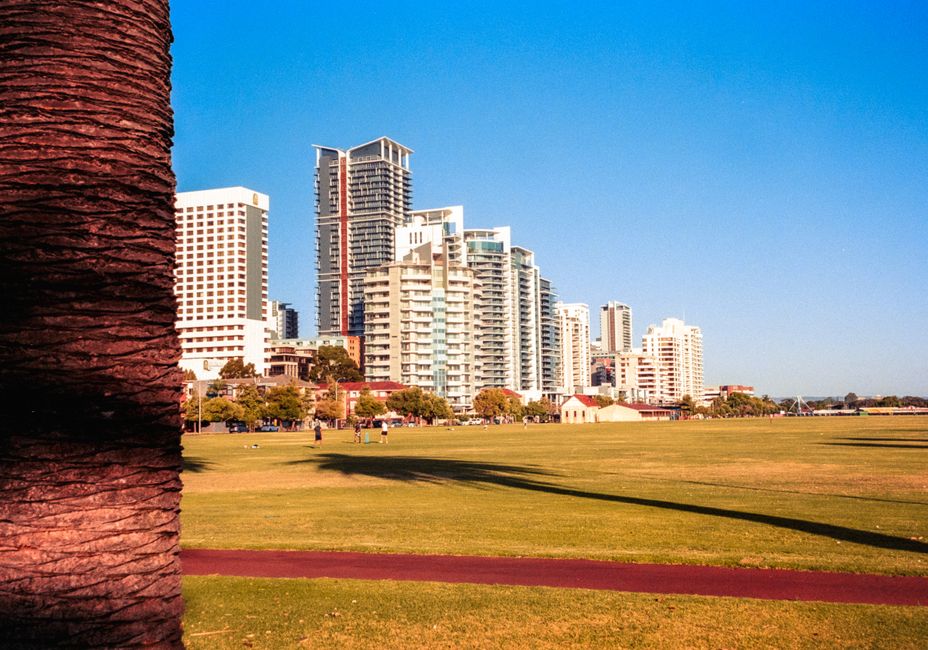
Darwin's dry season stretches ahead, and with winter temperatures hovering around a pleasant 25–28°C, there's no better time to venture beyond your usual routines. Whether you're seeking natural wonders or urban culture, the city's surroundings offer accessible escape routes that don't require extensive planning—just smart scheduling.
Start with the wetlands. Kakadu National Park lies just 250 kilometres east, a manageable three-hour drive that rewards early starters. Most residents tackle this as a full Saturday commitment, exploring Yellow Water Billabong's wildlife cruises (typically $89–120 per person) or hiking the scenic trails around Nourlangie Rock. Book accommodation in Jabiru the night before to maximise daylight hours. Alternatively, Litchfield National Park—90 minutes south via the Stuart Highway—offers waterfalls and swimming holes without the epic commitment. Florence Falls and Buley Rockhole are perennially popular; arrive by 8 a.m. to secure parking and avoid afternoon crowds.
Back in the city, the Waterfront precinct has evolved significantly. Sunday brunches along Marina Boulevard have become ritual for good reason: cafés here serve strong flat whites and fresh tropical fruit to a backdrop of Timor Sea views. Stokes Hill Wharf remains the epicentre, where you can combine morning coffee with sunset drinks, fish-and-chips dinners, or simply watching the fishing fleet. Entry is free; budgets range from $15 for casual meals to $50+ for restaurant dining.
Culture seekers should anchor weekends around the Northern Territory Museum and Art Gallery on Conacher Street. The institution's collections span Indigenous art, natural history, and cyclone memorabilia unique to the region—entry is free, though donations support exhibitions. Nearby, the Darwin Botanic Gardens offer 42 hectares of shaded walking trails, picnic spots, and year-round tropical blooms. Entry costs $14 for adults; many locals treat it as a twice-monthly ritual.
Don't overlook Palmerston, 35 kilometres south. The town's Saturday markets on Esplanade Street feature local produce, crafts, and ready-to-eat food; a casual morning there costs minimal dollars but yields genuine community connection. The nearby Noonamah wetlands are birdwatcher's gold, particularly during migration seasons.
Practical tip: always check weather forecasts and seasonal conditions before heading remote. Dry season (May–October) is optimal for most activities. Download offline maps for national parks; mobile coverage remains patchy beyond the city. Pack sunscreen generously—Darwin's UV index regularly exceeds 12 during midday hours.
The key to sustainable weekend exploration isn't lavish spending; it's intentional scheduling. Pick one anchor activity, build logistics around it, and leave room for spontaneity. Darwin's greatest leisure asset isn't any single destination—it's proximity to genuine wilderness paired with a lifestyle that encourages regular escape.
This article was compiled by AI from the sources linked above and screened before publishing. See our editorial standards.
Your reaction
Spread the word
About this article
Published by The Daily Darwin
Daily brief
Free, in your inbox before 7am. Weekdays.
The Daily Network — local news across Australia