Where Darwin Breathes: Inside the Parks That Define Our Neighbourhoods
From the iconic Waterfront to hidden pocket gardens, Darwin's green spaces reveal the beating heart of how this city actually lives.
From the iconic Waterfront to hidden pocket gardens, Darwin's green spaces reveal the beating heart of how this city actually lives.
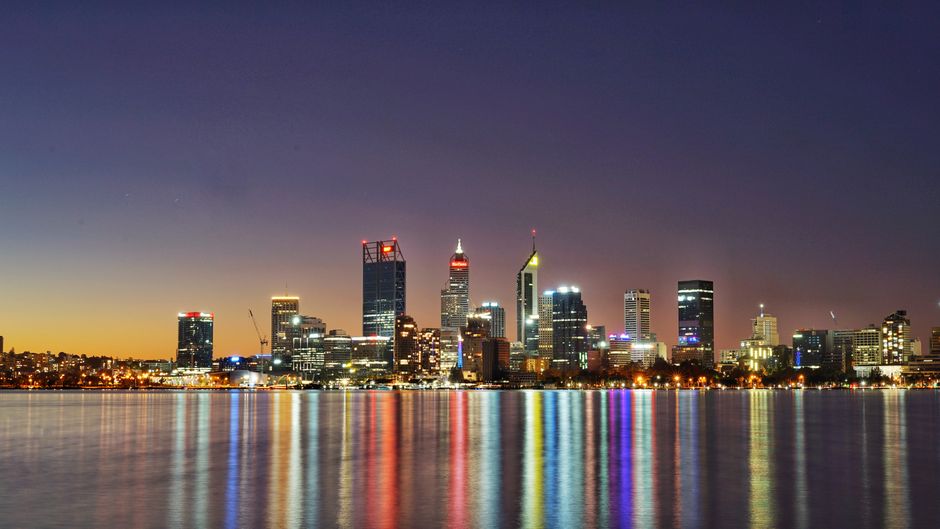
Step into any of Darwin's major parks on a weekday afternoon and you'll witness something unmistakably local: a city that refuses to let concrete have the final word. The Darwin Waterfront Precinct, sprawling across 60 hectares of reclaimed foreshore, has become the unofficial meeting place for the Northern Territory's most diverse demographic—a melting pot where retirees practise tai chi near Mitchell Street while young families cluster around the upgraded playground facilities, and teenagers claim benches overlooking the harbour.
But the real character of Darwin's outdoor living emerges in the neighbourhood parks that locals actually use. Frances Bay Drive precinct has undergone a quiet renaissance since upgraded pathways were installed in 2024, transforming evening walks into social occasions. The tree-lined stretches now host everything from informal running clubs to impromptu picnics, with the shaded amphitheatre area becoming a weekend gathering spot for community groups—particularly popular with Darwin's growing South Sudanese and Timorese communities who've claimed sections for cultural celebrations.
What strikes visitors is how these spaces function as genuine neighbourhood anchors rather than manicured attractions. Boomerang Pool and surrounding reserves in Larrakeyah have maintained their working-class character despite pressure from development. The cost of a family picnic here—minimal, with free barbecue facilities and generous shade—keeps them accessible to Darwin's broader population, where median household incomes cluster around the $85,000 mark.
The Gardens Park precinct, adjacent to the historic Botanic Gardens, demonstrates Darwin's commitment to integrating indigenous landscape knowledge. Recent plantings emphasise native species suited to the tropical climate, reducing water consumption while creating habitats that attract local birdlife—a strategy that resonates with Darwin's environmentally conscious younger demographic.
Perhaps most revealing is how locals have adapted to Darwin's defining challenge: the climate. Peak park usage shifts dramatically to early morning and evening during the Top End's fierce dry season. By 7 a.m., you'll find the pathways along the Waterfront packed with joggers, cyclists, and dog walkers—a ritual that defines the neighbourhood rhythm in a way that few southern cities experience.
These aren't postcard parks designed for Instagram tourism. They're spaces where Darwin's 150,000 residents negotiate coexistence across considerable cultural divides, where economic realities shape usage patterns, and where climate demands respect. That's where the real neighbourhood character lives.
This article was compiled by AI from the sources linked above and screened before publishing. See our editorial standards.
Your reaction
Spread the word
About this article
Published by The Daily Darwin
Daily brief
Free, in your inbox before 7am. Weekdays.
The Daily Network — local news across Australia