Getting Around Darwin: Tips and Honest Recommendations from People Who Do It Every Day
We asked Darwin commuters how they actually navigate the city—and why some swear by the bus while others have given up entirely.
We asked Darwin commuters how they actually navigate the city—and why some swear by the bus while others have given up entirely.
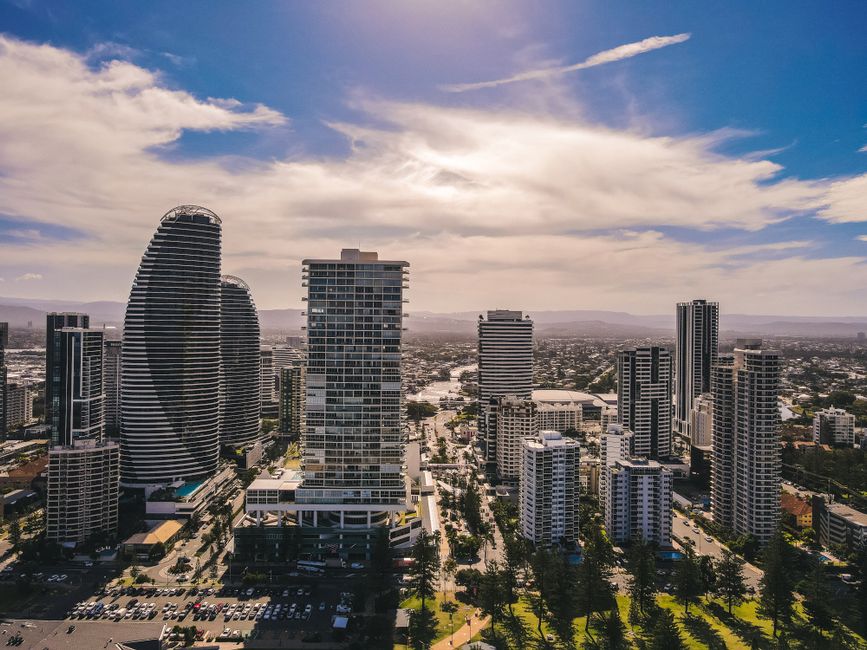
Darwin's transport landscape is a study in contrasts. The city sprawls across the Timor Sea peninsula, stretching from Palmerston in the south to Nightcliff in the north, and getting around it requires strategy. We spoke with locals who've cracked the commute code—and those still figuring it out.
The Darwin Bus Service operates roughly 20 routes across greater Darwin, with fares starting at $2.50 for a single journey. Marcus Elliot, who works in the CBD and lives in Nightcliff, has used the northern routes for three years. "The 4 and 5 routes are reliable," he says, "but factor in an extra 20 minutes during wet season when roads flood. Plan accordingly." Peak season traffic—May through October—can make Mitchell Street clogged between 7-9am and 4-6pm. Elliot's recommendation: catch the 5:45am bus to avoid the rush.
For those in Palmerston, the southern suburbs present their own challenge. The 10 and 11 routes connect the region to the city, but timetables can be sparse during off-peak hours. Many Palmerston workers have abandoned buses entirely, opting for the 30-minute drive via Stuart Highway instead. Parking downtown costs $3-5 per hour, though the Council car park near Raintrees costs only $2.50 daily if you arrive before 8:30am.
Cycling has gained traction, particularly along the Darwin Waterfront paths and through Larrakeyah. The flat terrain suits casual riders, and the ride from East Point to the city centre takes roughly 15 minutes. However, the monsoon season—November to April—makes this impractical for six months yearly.
Taxis and rideshare services (Uber operates here) cost roughly $12-18 for inner-city trips. Many CBD workers reserve rideshare for rainy days or late finishes, using public transport on predictable schedule days.
The honest take from long-term residents: Darwin's transport works best if you accept its limitations rather than fight them. Bus reliability improves if you use primary routes during daylight hours. Driving requires patience during peak season. Cycling works half the year. No single solution suits everyone.
The NT Government has flagged planned improvements to bus frequency and the potential for a light rail connection between the airport and city centre by 2030, though timelines remain uncertain. Until then, the golden rule remains: build extra time into your commute, stay flexible, and know that getting around Darwin is less about speed and more about accepting the rhythm of a tropical city.
This article was compiled by AI from the sources linked above and screened before publishing. See our editorial standards.
Your reaction
Spread the word
About this article
Published by The Daily Darwin
Daily brief
Free, in your inbox before 7am. Weekdays.
The Daily Network — local news across Australia