Your Darwin Neighbourhood Guide: A Practical Map to Living Like a Local
From hidden laneway cafés to weekend markets, here's how to truly settle into Australia's most dynamic tropical city.
From hidden laneway cafés to weekend markets, here's how to truly settle into Australia's most dynamic tropical city.
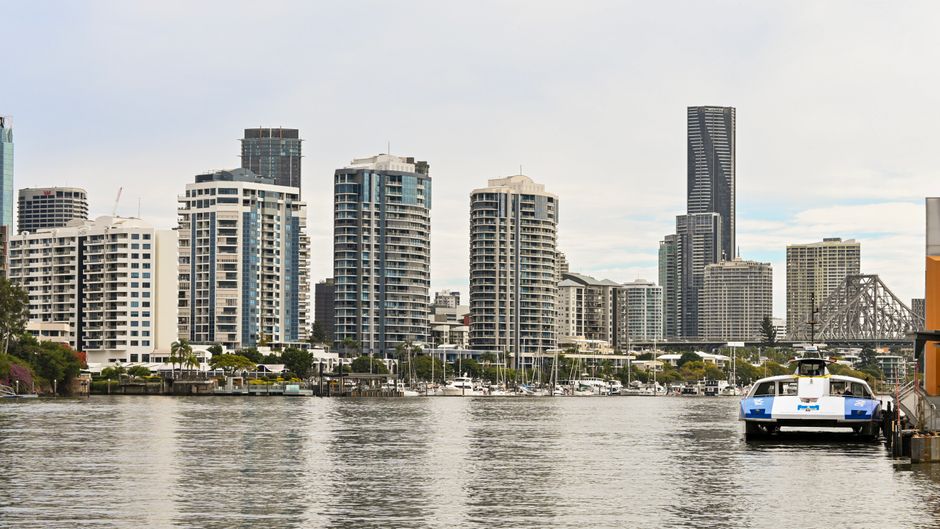
Darwin's reinvigorated neighbourhoods offer residents far more than a place to sleep—they're communities actively reshaping how tropical urban living works. Whether you've just arrived or you're looking to venture beyond your street, here's your practical guide to exploring what makes Darwin tick.
Culinary Hotspots and Everyday Eating
Mitchell Street remains the city's dining spine, but the real discovery happens in the laneways. Cavenagh Street's evolving food scene now rivals the waterfront, with independent operators creating the kind of neighbourhood buzz that defines liveable cities. The Parap Village Markets, held every Saturday morning, remain essential—expect to spend $12-18 per kilogram on fresh mangoes during season, and budget $8-15 for quality breakfast. The markets aren't just about produce; they're where locals genuinely connect.
Getting Around Like You Belong Here
Most residents quickly abandon the idea of extensive car dependency. The Darwin Bus Service operates on a zone system, with single fares around $3.50. Cycling infrastructure has expanded significantly—the Esplanade loop and pathways through Fannie Bay are both practical and genuinely pleasant. E-scooters are increasingly common for quick neighbourhood hops. Walking distances between suburbs like Larrakeyah, The Gardens, and Nightcliff are entirely manageable.
Community Anchors Worth Your Time
The Darwin Library in the CBD functions as a genuine community hub beyond books—it hosts regular exhibitions and events. The Mindil Beach Sunset Markets (May to October) have evolved into something beyond tourism: locals come for the social connection and affordable food vendors. Allocate a full afternoon; entry is free, though expect to spend $30-50 on dinner and exploring.
Your Weekly Neighbourhood Rhythm
Build a routine: coffee at a Casuarina café midweek, weekend farmer's market visits, monthly gallery walks through the arts precinct near Conacher Street. The Arafura Theatre and various smaller venues program events throughout the week. Casual group exercise happens regularly—parkrun sessions at East Point are completely free and genuinely inclusive.
The Practical Reality
Understand Darwin's seasonality: June through August is perfect for outdoor exploration; December through February is best enjoyed indoors. Most neighbourhoods offer distinct character—invest time in at least three different areas before deciding where feels right. Grocery costs run 8-12% higher than southern capitals, so budgeting matters.
Darwin rewards residents who engage with their immediate neighbourhood first. The best part of city living here isn't the occasional waterfront visit—it's building genuine patterns of local discovery that become the fabric of your everyday life.
This article was compiled by AI from the sources linked above and screened before publishing. See our editorial standards.
Your reaction
Spread the word
About this article
Published by The Daily Darwin
Daily brief
Free, in your inbox before 7am. Weekdays.
The Daily Network — local news across Australia