Darwin parents share their survival guide: the honest tips that actually work
Navigating school choice, after-school care and the tropical climate takes planning. Here's what locals say really matters.
Navigating school choice, after-school care and the tropical climate takes planning. Here's what locals say really matters.
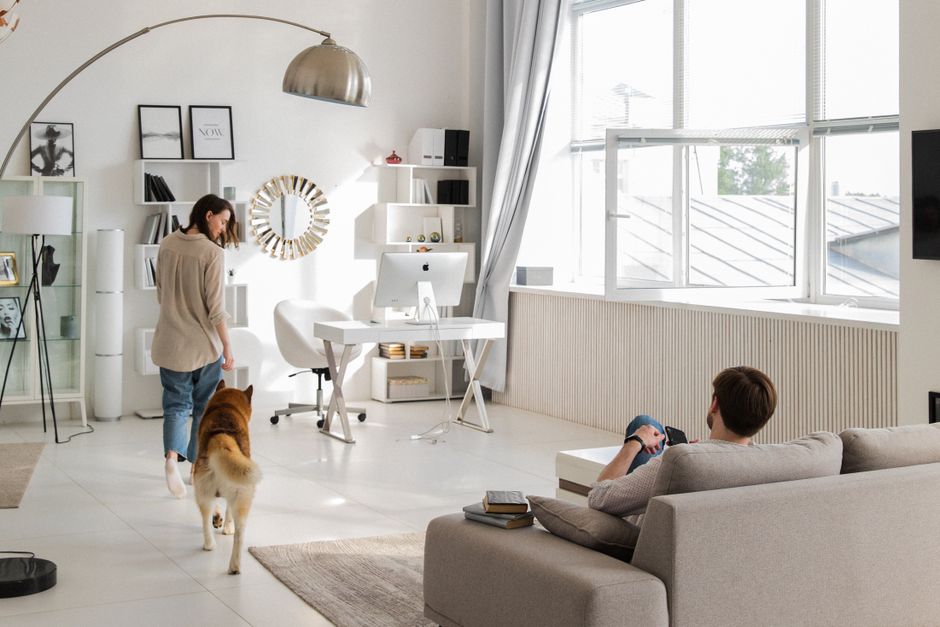
Raising kids in Darwin means contending with heat that tops 35 degrees by October, a monsoon season that reshuffles schedules, and a school calendar that starts in late January rather than February. Parents here have learned what works and what doesn't through trial, error, and plenty of comparison notes at the playground.
The challenge is sharper now. With housing prices cooling across Australia—median Darwin property values have dropped roughly 8 per cent since 2024 according to local real estate trackers—young families are reconsidering their sums. Rent for a family home in suburbs like Fannie Bay or Larrakeyah sits between $500 and $650 a week for a three-bedroom place. That matters when you're also calculating childcare, school fees, and the cost of keeping a household cool during the wet season.
Parents managing these pressures point to practical decisions that shift the needle. School selection involves trade-offs. Government schools like Nightcliff Primary and Larrakeyah Primary offer strong community ties and lower fees, while independent schools such as St Philips College and Darwin High School (which feeds into university-pathway programs) run $12,000 to $18,000 annually. The decision often hinges not on prestige but on whether a school suits a child's learning style and whether parents can afford the logistics.
After-school care becomes essential once the school bell rings at 2:45 p.m., particularly for working parents. Daytime temperatures remain punishing through April, so keeping kids outdoors unsupervised isn't viable. Centres like the Palmerston Child Care Centre and private programs operating through Darwin Community Arts Centre on Mitchell Street offer both safety and structured activities. Costs run $18 to $25 per hour, which adds up fast for parents working standard hours.
Several parents contacted for this piece mentioned that coordinating school pickups with work schedules—especially when employers expect presence in an office—creates genuine strain. One common workaround involves job-sharing arrangements or negotiating compressed work weeks (three longer days rather than five standard ones). Some companies in the CBD have begun offering this flexibility, though availability remains patchy across Darwin's professional sectors.
The monsoon season (November to March) reshuffles everything. School sports days shift indoors or postpone entirely. Humidity spikes create genuine health concerns for younger children prone to heat stress. Parents report that planning holiday childcare during school breaks—which fall outside the standard Australian calendar—requires booking accommodation and programs months ahead, since many national holiday camps are already booked by families in other states.
The advice that surfaces consistently isn't trendy. Parents suggest investing in a good air-conditioning system in your home—not just for comfort but as essential infrastructure when kids are managing homework, screen time, and rest during the heat. Water bottles and reusable lunch containers rated for tropical conditions (stainless steel that insulates, not plastic that warps in car heat) get genuine recommendations.
Building community connections early matters more here than in larger cities. Primary school parent networks at Woolworths in the CBD or through groups meeting at East Point Reserve become practical support systems—parents swap childcare, share reliable local tradespeople recommendations, and compare notes on school policies. A parent who knows another parent with kids in the same year level can mean the difference between scrambling when work emergencies hit and having a backup pickup plan.
The honest take from locals is this: Darwin family life works better when you accept it's different. The calendar is shifted. The climate is unforgiving. School choices involve genuine trade-offs. But the smaller population (roughly 140,000 across greater Darwin) means schools know individual kids, neighbourhoods have character, and community feels less abstract than in bigger cities. Parents who thrive here tend to stop comparing their setup to Sydney or Melbourne standards and instead focus on what actually functions in 38-degree heat with a monsoon six months away.
Your reaction
Spread the word
About this article
Published by The Daily Darwin
Daily brief
Free, in your inbox before 7am. Weekdays.
The Daily Network — local news across Australia