Moving to Darwin: the real cost, access issues and what expats need to know before they go
Housing costs are climbing, flights are expensive, and services work differently in Australia's top end. Here's what relocating to Darwin actually involves.
Housing costs are climbing, flights are expensive, and services work differently in Australia's top end. Here's what relocating to Darwin actually involves.
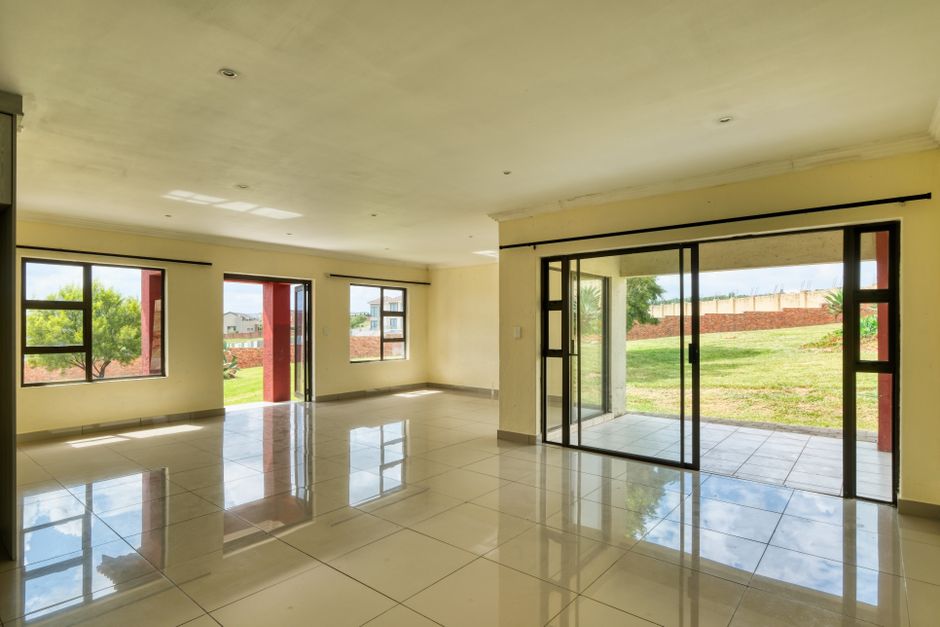
Darwin's property market is tightening just as more international workers eye the Northern Territory capital as an escape from southern Australia's cooling real estate. Median house prices in the city hit $735,000 in mid-2026, up 8.2 percent year-on-year, making it the fastest-growing market outside Perth. For expats arriving on skilled visas or corporate transfers, that's a problem—rental availability has dropped to 0.6 percent across the city, the lowest in five years, and weekly rents for a three-bedroom house in established suburbs like Larrakeyah and Fannie Bay now exceed $550.
The Darwin migration surge reflects genuine economic shifts. The Northern Territory government has been actively recruiting specialists in defence, resources, agriculture, and tech. OpenAI's decision to base Australian operations in Sydney may redirect some tech talent northward, but Darwin's real draw remains practical: lower tax concessions for certain visa categories, lower cost of living outside housing, and genuine job shortages in trades and professional services. Yet the gap between reality and expectation trips up newcomers regularly. Getting here costs more than moving to Brisbane or Melbourne. Living here, once you've secured shelter, often costs less. The logistics of relocation demand precision.
Anyone relocating to Darwin should lock down accommodation before arriving. The Northern Territory Shelter and Housing Alliance reported in May 2026 that 73 percent of expat arrivals wait an average of six weeks to secure rental properties. The Palmerston suburb, 20 kilometres south of central Darwin, offers cheaper options ($420-480 weekly for three-bedroom homes) but requires a vehicle and 30-minute commutes into the CBD. Fannie Bay, closer to the city centre, carries premium pricing but puts residents near Mindil Beach and the local café strip on Parap Road, which includes independent coffee roasters and the Friday night markets.
Public transport is limited. The Darwin Bus Service operates routes but frequency drops dramatically after 7 pm. Most expat professionals buy second-hand vehicles within the first month—a Toyota Corolla or Hyundai i30 typically runs $18,000-24,000 on the local market, higher than southern capitals due to freight costs. Bikes and scooters help but aren't viable during the wet season, which runs November through March. Flights to and from Darwin cost significantly more than competing routes. Return tickets to Sydney via Qantas or Virgin typically cost $280-420, compared to $150-250 for Melbourne-Adelaide routes. Budget airlines like Bonza stopped northern routes in 2025, removing price competition.
Relocation specialists operating from offices near the Mitchell Centre on Mitchell Street report that first-time expat arrivals underestimate flight costs, vehicle purchase, and storage fees. Shipping personal goods from overseas takes 6-10 weeks via Port Darwin, adding $4,000-8,000 to the move. Container space fills quickly during the Australian winter months when southern businesses also restructure operations.
Healthcare access works differently in Darwin. Private practitioners cluster around the CBD and suburbs like Nightcliff, but waiting times for specialists exceed those in larger southern capitals. The Darwin Private Hospital on Gilruth Avenue provides emergency and elective surgery but isn't a substitute for complex cases—patients requiring advanced oncology or cardiac surgery typically fly to Melbourne or Brisbane, often at their own cost if not covered by private insurance. Medicare covers standard care, but expats should verify visa eligibility before assuming coverage. The NT government removed visa requirements for GPs in 2024, slightly improving appointment availability.
International schools include St Andrew's Lutheran College and All Souls School, both with fees between $16,000-24,000 annually. Local public schools are free but variable in quality depending on suburb. Larrakeyah Primary and Fannie Bay Primary rank highly. Expats typically research schools before committing to neighbourhood selection—catch-22 for those without established employment yet.
Cost of living excluding housing sits roughly 12-15 percent below Sydney and Melbourne according to Numbeo data from June 2026. Groceries, dining, and entertainment cost less. Fresh tropical produce—blackberries and brussels sprouts peak in July—arrives cheaper from local suppliers than southern states. What remains expensive: alcohol (territorial taxes), imported goods, and any service requiring specialist labour. Plumbers, electricians, and tradespeople charge premium rates due to labour shortages in the Top End.
Before packing, contact the Northern Territory Office of Multicultural Affairs on Cavenagh Street for relocation guides and connect with the Darwin Expat Meetup groups on social platforms—locals and recent arrivals share practical advice on landlords, suburbs to avoid, and genuine job opportunities. Budget six months of savings for unexpected costs. Arrive outside the wet season if possible. Lock housing before your visa approval clears. That prep work costs nothing but saves thousands in wasted flights and temporary accommodation.
Your reaction
Spread the word
About this article
Published by The Daily Darwin
Daily brief
Free, in your inbox before 7am. Weekdays.
The Daily Network — local news across Australia