Moving to Darwin: the real cost, access deals, and what you actually need to know before you go
Expats considering the tropical relocation are discovering Darwin's housing market has shifted dramatically—and timing your arrival could save thousands.
Expats considering the tropical relocation are discovering Darwin's housing market has shifted dramatically—and timing your arrival could save thousands.
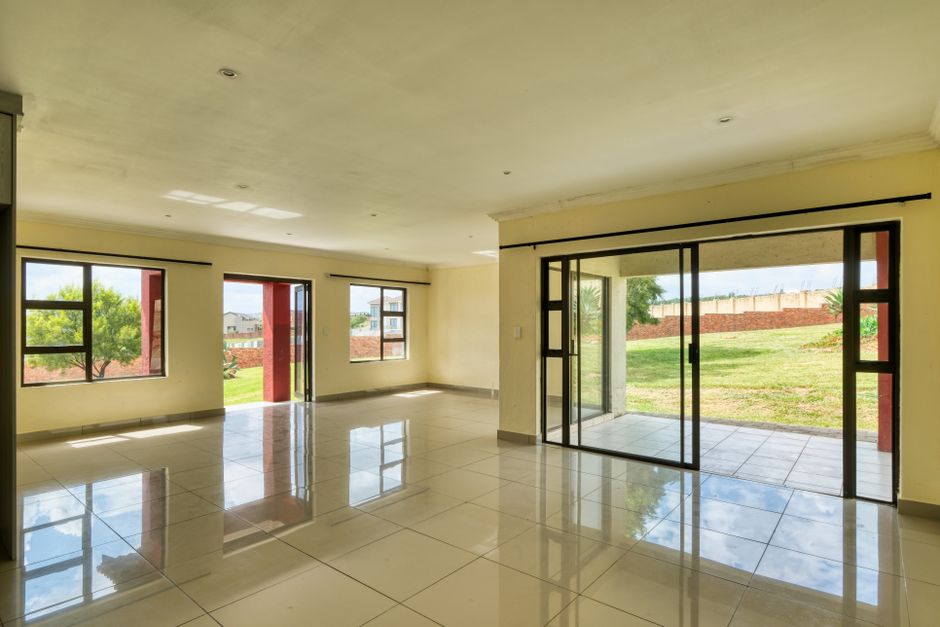
Darwin's property market has cooled enough that first-time buyers and relocating professionals are finally getting breathing room. The median rent for a two-bedroom apartment in the CBD now sits around $520 per week, down from the $620-per-week crisis pricing that defined 2024. But before you book the moving truck, here's what expats actually need to budget for, and where the genuine savings hide.
The shift matters because Darwin spent two decades selling itself as Australia's boom-town outpost, where housing scarcity justified premium prices. That mythology is cracking. International workers who delayed relocation decisions during the peak rental squeeze are now reassessing. The Northern Territory government has started actively recruiting skilled migrants again, which means competition for accommodation has eased slightly—though it remains tighter than mainland capitals.
Start with suburbs. Fannie Bay and Larrakeyah remain the expensive neighborhoods, where three-bedroom houses rent for $700 to $850 weekly. Palmerston, 25 kilometres south of the CBD, offers the same housing stock for $480 to $580. The trade-off is straightforward: you're adding 40 minutes to your commute each way, but saving $200 per week. Over a year, that's $10,400. The Palmerston Hub shopping precinct has become a genuine alternative to CBD amenities, with its own cinema, medical clinics, and supermarkets, so you're not sacrificing convenience entirely.
If you're relocating through an employer, ask specifically about housing allowances before you arrive. Several Darwin-based companies—particularly those in mining services and defence contracting—still offer relocation packages worth $8,000 to $15,000 for settling costs. The Territory government's skilled migration program doesn't include housing assistance, but it does fast-track visa processing for occupations on its priority list. Check the NT Government website's occupation lists before committing.
Utilities are expensive. Electricity costs average $380 monthly for a two-bedroom apartment because air conditioning runs most of the year. Water and gas add another $120. Budget $500 monthly for utilities as a baseline. Internet providers—NBN Co handles most of the network—charge $79 to $129 monthly for standard broadband. No surprises there compared to other Australian cities, but combined with power costs, it adds up.
This is where Darwin bites expats hardest. There's no reliable public transport network outside the CBD loop. A taxi from the airport to Fannie Bay costs $38 to $45. Uber exists but charges surge pricing aggressively during peak hours. You need a car. New vehicle prices run 12 to 18 percent higher than Brisbane or Adelaide because freight costs get passed to dealers. Buy second-hand instead. The local Facebook marketplace and Gumtree have constant listings for cars in the $12,000 to $18,000 range—vehicles that might fetch $10,000 on the mainland.
Registration and insurance run $280 annually and $600 to $800 yearly respectively. Fuel hovers around $1.85 per litre, up from $1.52 two years ago. If you drive 15,000 kilometres annually—realistic for someone commuting from Palmerston to the CBD—budget $3,900 for fuel alone.
The Darwins Visitor and Knowledge Centre on Mitchell Street handles formal relocation inquiries and has partnered with the NT Housing Development Corporation on rental information. They can point you toward current market listings and connect you with migration agent networks. It's worth a call before your plane lands.
Start house hunting at least eight weeks before your intended move date. Darwin's rental market moves fast once winter ends and interstate buyers accelerate their timelines. Set up a local bank account as soon as you arrive—the big four banks have branches throughout the CBD and suburbs. It typically takes 48 hours, and you'll need a valid visa and passport. Costs vary, but standard accounts are free.
The rental deposit sits at four weeks' rent, plus a $1,200 to $1,800 bond for most furnished apartments. Landlords expect references from previous rentals and proof of income. Come prepared with documents.
Your reaction
Spread the word
About this article
Published by The Daily Darwin
Daily brief
Free, in your inbox before 7am. Weekdays.
The Daily Network — local news across Australia