How Darwin locals actually get around: the commuting shortcuts nobody tells tourists
From the Nightcliff to Larrakeyah routes nobody mentions to navigating the wet season, locals share what really works on Darwin's roads.
From the Nightcliff to Larrakeyah routes nobody mentions to navigating the wet season, locals share what really works on Darwin's roads.
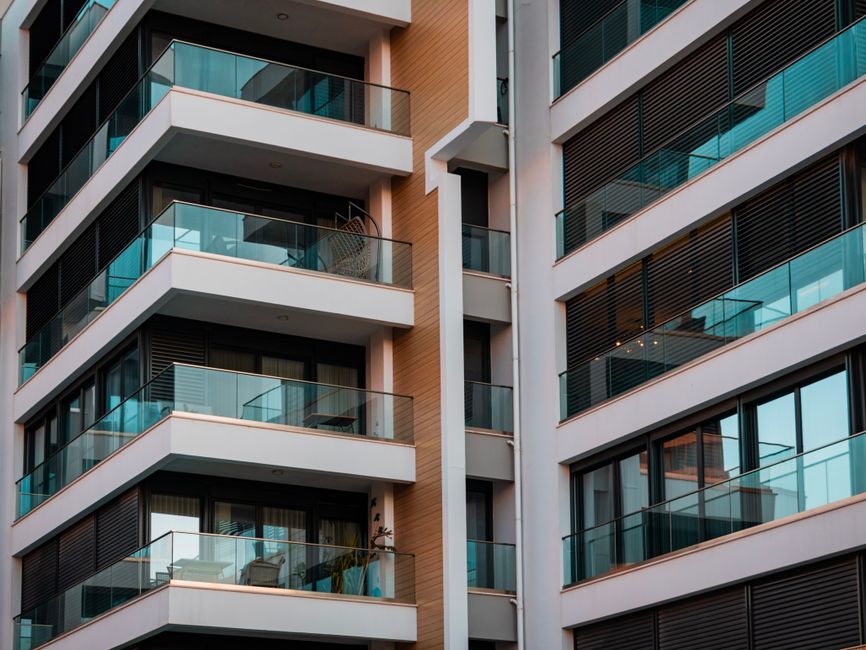
The Giles Street corridor hits gridlock at 7:45 a.m. most weekdays, but the people who've lived in Darwin for more than a year already know to avoid it. They've learned the hard way—or learned from someone who did—that commuting in the Top End requires a different playbook than southern capitals.
Transport choices matter now in Darwin for a reason beyond the usual urban congestion. The city's population has inched past 150,000, with more remote workers relocating north and construction projects across Palmerston and Nabulwinjbulwinj pulling commuters in different directions. Road infrastructure hasn't kept pace with sprawl, which means the difference between leaving five minutes early and five minutes late can add 20 minutes to your journey on the Stuart Highway northbound.
Shaun Lacey works in IT support at a Casuarina business park and commutes from Fannie Bay. He tested every route over three years and settled on a path most newcomers never discover. "Smith Street up to the roundabout, then cut through Cramer Street towards the port—it sounds longer on paper but it avoids the Giles bottleneck entirely," he said. The trade-off is real: you pass through residential streets where you can't exceed 40 kilometres per hour for stretches. But Lacey calculates the time saved outweighs the speed restrictions.
The Darwin City Council launched its Local Area Traffic Management Program in 2024, designating safer routes through Parap, Larrakeyah, and The Gardens. The scheme included upgraded pedestrian crossings and speed monitoring on Mitchell and Bennett streets. Few visitors know about it, which means commuters who use those roads benefit from less congestion than Giles Street or the conventional routes via Lee Point Road.
May through October brings another variable that southern commuters never factor in. Flooding on Bagot Road isn't hypothetical—it happens reliably during heavy downpours, and the road can be closed for days. Locals keep alternate routes mentally mapped. The Arnhem Street approach through Brinkin works when Bagot's flooded, though it adds 8 to 10 minutes. Between November and April, the wet season turns roads into guessing games. Road conditions change hourly. The Bureau of Meteorology publishes seasonal outlooks, but even locals admit they default to Facebook community groups for real-time traffic advice because official sources lag.
Public transport options exist but operate on schedules that suit scheduled shifts rather than flexible commuting. Darwin's bus network, run by NT Bus, covers main routes into the CBD and outward to Palmerston and Howard Springs, but evening and weekend services thin considerably. A single journey costs $3.20, or you can buy a weekly pass for $24. Most locals own cars because reliability matters more here than in cities with dense public transport.
Cycling appeals to a subset of Darwin workers, mainly those on shorter routes under 5 kilometres. The Darwin Cycling Club maintains maps of safer routes along quiet streets—Doctors Gully Road and the foreshore paths near East Point are genuine alternatives on dry days. The wet season makes cycling impractical for most of May through September.
Parking in the CBD sits around $5 for two hours in commercial lots near Cavenagh Street and Knuckey Street. Monthly parking runs $150 to $200, which shifts the economic math for workers choosing between driving and public transport. The mathematics favour driving if you're coming from beyond a 3-kilometre radius of the city centre, assuming you find affordable parking and avoid the rush-hour squeeze on Giles and Stuart Highway approaches.
The honest advice Darwin locals offer to newcomers isn't flashy. Leave earlier than you think necessary. Use Google Maps, but verify its routing against local Facebook groups where Darwin commuters post real-time road conditions. Keep two or three routes in your mental file. During the wet season, assume delays and build them in. And if you're considering cycling, accept that you'll be sidelined half the year.
The city doesn't have a magic solution. It has workarounds that work because locals have tested them.
Your reaction
Spread the word
About this article
Published by The Daily Darwin
Daily brief
Free, in your inbox before 7am. Weekdays.
The Daily Network — local news across Australia