Darwin's great reset: why expats are arriving now and what's actually changed
A cooling property market, new cultural venues and a growing tech sector are reshaping the tropical capital for newcomers—and locals say the timing has never been better.
A cooling property market, new cultural venues and a growing tech sector are reshaping the tropical capital for newcomers—and locals say the timing has never been better.
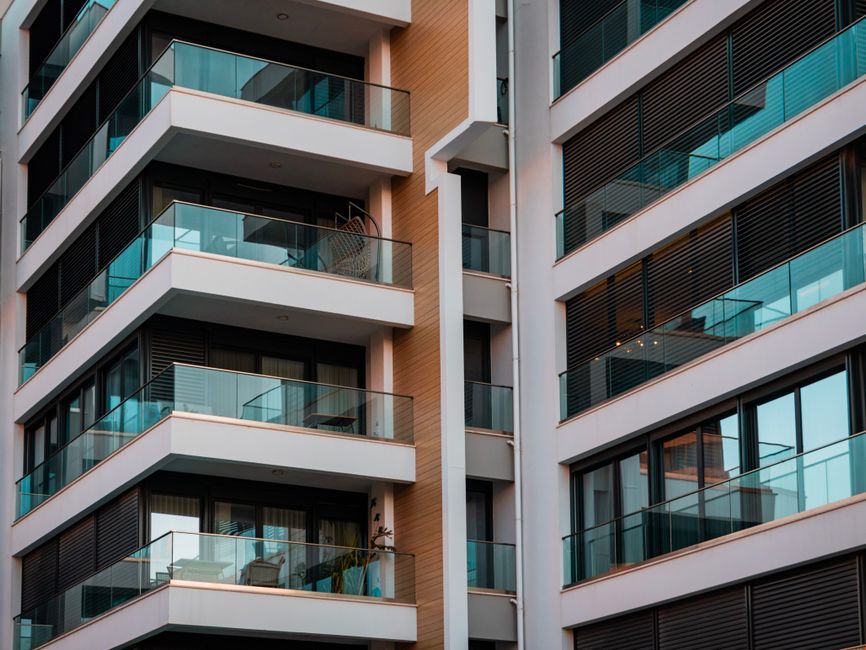
Darwin's property market has shifted decisively in favour of buyers. After a decade of climbing prices that pushed median house values to $650,000 by mid-2025, the tropical capital is now seeing genuine negotiation room for the first time since the pandemic. Vendors in suburbs like Fannie Bay and The Gardens are dropping asking prices by 8–12 per cent as interstate migration slows, creating an opening for expats and interstate relocators who would have been priced out just eighteen months ago.
The timing matters because Darwin's liveability argument has never been stronger. The city spent the past two years investing heavily in exactly what draws skilled workers and their families: cultural infrastructure, employment diversity, and the kind of neighbourhood amenities that make tropical living feel less like a sacrifice and more like an upgrade. Local business owners and real estate agents report a genuine optimism that's distinct from the property-driven hype of previous cycles. People are moving here for jobs and schools, not speculation.
The opening of the Darwin Convention Centre's expanded performance wing in February brought the city's cultural calendar into proper alignment with eastern capitals. The Deck precinct on The Esplanade—a series of waterfront bars, restaurants and a 500-capacity music venue that opened in stages through 2024–2025—has given the city a genuine social spine where expat newcomers actually run into locals rather than clustering in isolated housing estates. Mitchell Street's revitalisation project, which wrapped in May, replaced crumbling footpaths with wide, tree-lined pedestrian zones and added forty new business licenses for cafes and retail along the CBD's traditional spine.
The employment picture has shifted too. OpenAI's decision to establish a regional operations hub at the Australian Technology Park near Larrakeyah, announced in June, signals that Darwin is no longer positioning itself purely around defence contracts and natural resources. The Northern Territory government estimates the facility will create 180 direct jobs within eighteen months, with flow-on demand in accommodation, hospitality and professional services. For dual-income expat families where one partner works in tech or government, the ability to both find meaningful work without one person being underemployed has become genuinely achievable.
Darwin's rental market has also adjusted sharply. Two-bedroom apartments in the inner suburbs now rent for $420–520 per week, down from $580–650 in early 2024. The Northern Territory's first home buyer grant, recently increased to $20,000 for properties under $550,000, directly targets this emerging buyer cohort. Schools remain a draw: Fannie Bay Primary and Larrakeyah Primary both have waiting lists that are long but not prohibitive, and the Northern Territory's teaching workforce shortage means that qualified educators from the southern states are finding recruitment bonuses and housing assistance on offer.
What's changed is the psychology. For years, moving to Darwin meant trading career momentum and cultural amenities for a tree change or a geographic adventure. That trade-off is compressing. You can arrive here now and build something rather than pause something. The property market isn't overheating, the jobs aren't theoretical, and the city actually has places where strangers gather and become neighbours. That's the bit that locals keep returning to when they explain why their friends are now seriously considering the move north rather than just talking about it over drinks.
If you're looking at Darwin, check the rental market in Fannie Bay or Larrakeyah before committing to a purchase. Visit during the dry season—July and August—to get a realistic sense of the climate and the actual community vibe. Talk to people who arrived in the past twelve months, not those who came during the boom. The city's finally giving expats reasons to stay that have nothing to do with the weather.
Your reaction
Spread the word
About this article
Published by The Daily Darwin
Daily brief
Free, in your inbox before 7am. Weekdays.
The Daily Network — local news across Australia