Darwin's green spaces reveal the real neighbourhood soul – and it's thriving
As property prices cool and young families reconsider their options, the city's parks are becoming the actual measure of where people want to live.
As property prices cool and young families reconsider their options, the city's parks are becoming the actual measure of where people want to live.
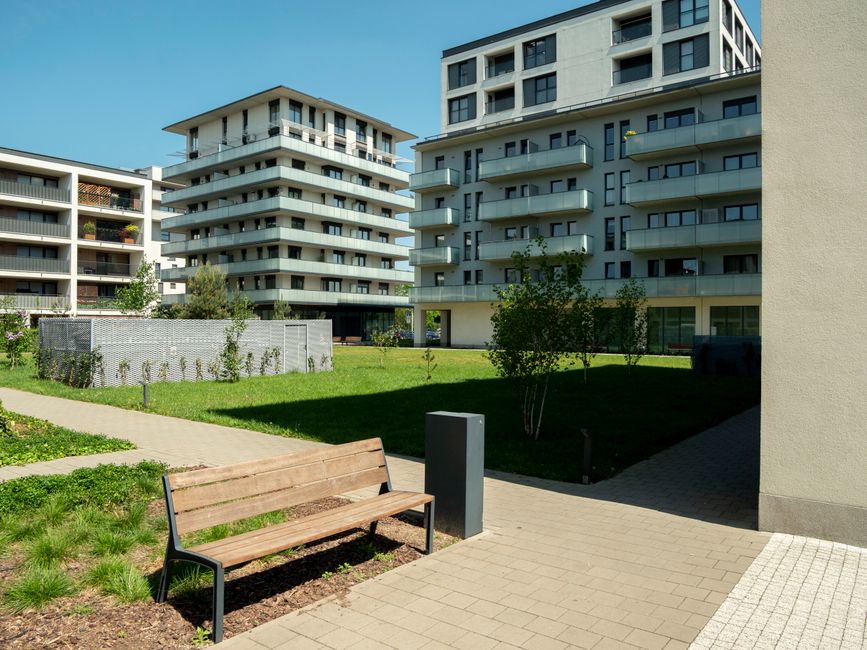
Ask a Darwin real estate agent what sells a neighbourhood and they'll mention proximity to schools, transport links, rental yields. Ask the people actually living here what keeps them around and you'll get a different answer entirely. They'll talk about Saturday mornings at Bicentennial Park, the sprawl of Kahlin Oval on a Wednesday evening, the quiet pocket of Fannie Bay Foreshore where you can watch the sunset without fighting crowds.
Green spaces have become the unofficial measuring stick for neighbourhood character in Darwin. As the property market cools nationally and first-home buyers pump the brakes on stretched mortgages, the suburbs that retain their community character – the ones with functioning parks, active sporting facilities, and genuine street-level activity – are proving more resilient. In Darwin, where the wet season locks people indoors for months and outdoor living defines half the year, a decent park isn't a luxury. It's the infrastructure that holds neighbourhoods together.
Bicentennial Park, sprawling across 42 hectares in the city centre, functions as the de facto living room for downtown Darwin. On any given evening you'll find families clustered around the playgrounds on Gilruth Avenue, impromptu soccer games on the open fields, and clusters of workers ducking out of Mitchell Street offices for a midday walk. The park's recent $8.7 million upgrade, completed in 2024, added new playground equipment and improved pathways. But locals will tell you the real value is simpler: there's somewhere to actually go that feels like it belongs to the neighbourhood, not just the city.
Across the harbour, Fannie Bay's foreshore precinct operates on a different frequency. The walking and cycling path that runs from East Point Road down to the water attracts a particular kind of resident – the people who've chosen Darwin specifically for the outdoor lifestyle, not just the job posting. The Fannie Bay Foreshore Reserve hosts the Darwin Sailing Club and provides unobstructed views across the bay. Property values in the immediate precinct reflect this: median house prices in Fannie Bay sit around $745,000 according to recent market data, a solid $120,000 premium over suburbs without direct water access and quality green infrastructure.
Kahlin Oval, the sporting heart of inner Darwin, tells you something important about how this city actually functions. The venue hosts everything from Darwin Hawks Australian Rules Football Club fixtures to cricket, rugby league, and local competitions. On match days, the surrounding suburbs – Larrakeyah, Fannie Bay, The Gardens – suddenly feel occupied in a way that goes beyond residential. People arrive from across town. They stay after the game. They grab food. They talk. The oval isn't just a sporting facility; it's a permission structure for community gathering that Australian suburbs desperately need.
This matters now because we're in a moment where neighbourhood character determines whether young families actually stay in a place, not just whether they can afford it. The cooling property market means people are choosing suburbs based on quality of life, not speculative returns. They're choosing places where their kids have somewhere safe to run around, where they'll see the same faces regularly, where the parks actually get maintained instead of slowly degrading into patchy grass and broken equipment.
Darwin's advantages here are real. The climate means outdoor spaces get used year-round, even if those months include the sweltering humidity of the build-up season from October through November. The relatively low population density – Darwin sits at around 150,000 people – means the parks aren't gridlocked like equivalent spaces in Brisbane or Melbourne. You can still get a decent spot on a Saturday afternoon.
The Darwin City Council's three-year parks maintenance program, budgeted at $2.1 million annually, is where the real neighbourhood investment is happening. More than flashy commercial development, these incremental improvements to local green space – resurfacing the courts at Gilruth Park, extending walking paths, replacing aging playground equipment – determine whether suburbs remain functional places or slowly hollow out.
If you're considering Darwin right now, spend an afternoon in the neighbourhood you're looking at. Not the shopping strip. Not the main road. The park. See who's there, what condition it's in, whether there's actual activity. That tells you more about neighbourhood character than any real estate listing ever will.
Your reaction
Spread the word
About this article
Published by The Daily Darwin
Daily brief
Free, in your inbox before 7am. Weekdays.
The Daily Network — local news across Australia