The Darwin parent's guide: what actually works when you're raising kids in the tropics
School holidays hit different when you're this far north. Local families share the strategies that keep everyone sane.
School holidays hit different when you're this far north. Local families share the strategies that keep everyone sane.
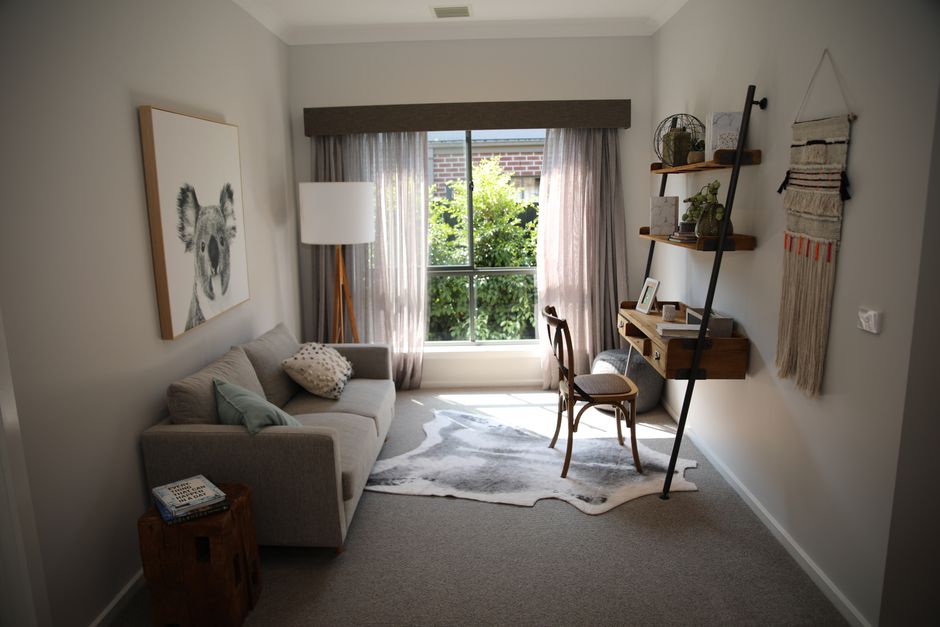
Darwin parents are doing something the rest of Australia rarely manages: they're raising families in a city where the wet season shuts down half your outdoor plans for six months, property prices have climbed 23 percent since 2023, and childcare waiting lists stretch past Christmas. Yet they're not packing up for Brisbane.
The reason is simple. Families who've settled here—especially those who've moved from Sydney, Melbourne or Adelaide—have cracked a code that urban parents elsewhere are still searching for. They've figured out how to make the Northern Territory's isolation work as an advantage rather than a burden. And they're surprisingly willing to share what actually works when you're raising kids in a city built on a peninsula, three hours from the nearest major town.
The immediate challenge is obvious. School holidays in July mean your kids are home for two weeks while Darwin's winter (relatively speaking) makes outdoor activity feel like a luxury rather than a given. Come November, the humidity makes organised sport feel less appealing. The distances are brutal—driving to Palmerston for an after-school activity means 45 minutes each way. And yet families here make it work.
Take the practical geography. The Botanic Gardens on Gardens Road aren't just a pleasant afternoon option; they're the backbone of school holiday entertainment for families with kids aged 4 to 12. The park runs programs throughout the year, and the self-guided walking trails are genuinely engaging for children who'd otherwise be glued to screens during the driest months. Parents from Fannie Bay to Larrakeyah cite it as non-negotiable.
For structure and actual learning during breaks, the Museum and Art Gallery of the Northern Territory (MAGNT) on Conacher Street offers rotating exhibits that beat the standard children's museum experience found in larger cities. The $12 entry for adults and $6 for children makes it more accessible than Sydney's equivalent, and locals say the staff actually engage with visiting school groups rather than herding them through.
Then there's the community swimming culture. Year-round access to pools means the Leanyer Leisure Centre becomes part of family routine, not seasonal recreation. The facility costs $7.50 per adult for casual visits and offers structured swimming lessons through the Northern Territory Amateur Swimming Association—crucial in a city surrounded by water where water safety isn't theoretical.
The Northern Territory Government's childcare subsidy rates improved in March 2025, reducing out-of-pocket costs for eligible families by an average of 18 percent. For two parents both working, that's meaningful. Day care centres in Nightcliff and Larrakeyah typically charge $120 to $145 per day before assistance—steep, but lower than equivalent Melbourne or Sydney facilities. The subsidy changes mean some families here are actually paying less than counterparts down south.
Schools themselves tell a different story. Darwin Primary School and Kahlin Primary School both operate under standard NT curriculum, but parents report genuinely smaller class sizes than equivalent schools in the capital cities. Average class size in Northern Territory primary schools sits at 21 students, compared to 25 in New South Wales. For kids who need attention, it matters.
The trade-off, of course, is the property market. Houses in central suburbs like Larrakeyah range from $680,000 to $850,000 for three-bedroom family homes—not Sydney money, but significantly more than Perth or Adelaide for equivalent space. Families here accept the cost because they're buying into something specific: a community where neighbours know each other's kids' names, where school pickup doesn't mean fighting traffic for 90 minutes, and where extended family visits actually feel manageable for visitors flying from the southern states.
The honest advice from families who've made it work? Embrace the isolation. Join a community group—the Darwin Parents and Friends Network runs monthly meetups around the city. Get comfortable with the wet season shutdown rather than fighting it. And understand that raising kids here means your children will grow up knowing perhaps 200 people by name in a city of 150,000, which is either a feature or a bug depending on what you actually value.
Your reaction
Spread the word
About this article
Published by The Daily Darwin
Daily brief
Free, in your inbox before 7am. Weekdays.
The Daily Network — local news across Australia