The faces behind Darwin's green revolution: how parks are reshaping who we are
From community gardens to waterfront renewals, Darwin's outdoor spaces are drawing together the people who call this city home.
From community gardens to waterfront renewals, Darwin's outdoor spaces are drawing together the people who call this city home.
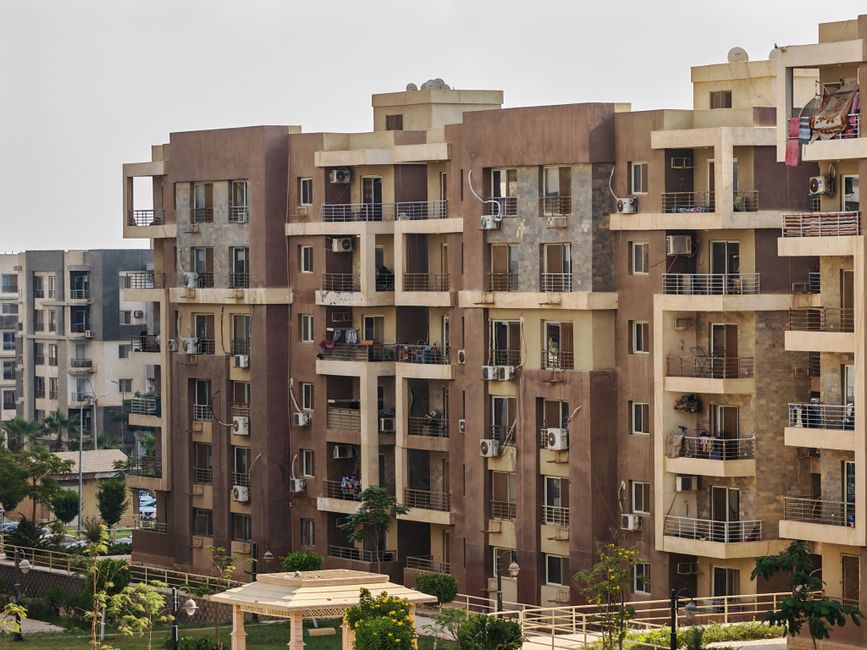
On any given Tuesday morning, you'll find Sylvia Chen kneeling in the rich soil at Gardens Park, hands deep in the raised beds where she grows sweet potato, bok choy, and snake beans. She's been coming here for three years, ever since the Darwin City Council expanded the community garden program in 2023. Chen works as a nurse at Royal Darwin Hospital but says the garden gives her something the emergency ward never can: time that belongs to her, and neighbours who show up because they want to be there.
This matters now because Darwin's relationship with its outdoor spaces is changing. The city has spent the last two years quietly investing in park renewals and community programs that go beyond the standard mow-and-maintain approach. The Dry season—that eight-month window from April to November when Darwin's weather becomes genuinely pleasant—brings people outside in visible waves. City planners have noticed. They're building infrastructure around that fact, betting that shared green spaces can do what property prices and property portfolios never could: bring strangers together.
Mindil Beach Sunset Markets operate year-round these days, but the real foot traffic explosion happens May through September. The grassed amphitheatre area adjacent to the main market strip saw a $1.2 million upgrade in late 2025, adding permanent seating, shade structures, and designated performance zones. Mark Tippett manages the markets and watches different communities use the space in different ways. Fitness groups use it at dawn. Families blanket it on weekend afternoons. Live musicians set up for the sunset crowds. The infrastructure itself is just concrete and timber, but what matters is how it's changed who feels welcome.
Over at Kahlin Oval—traditionally a sports ground in Larrakeyah—the council launched a pilot program last year that's begun to reshape how the space functions. Weekday mornings now see tai chi groups, walking clubs, and informal exercise sessions. Evenings bring picnickers and people who simply want to sit under the palms. The oval still hosts football and cricket matches. The difference is the weekday programming, which costs almost nothing to run but dramatically changes the demographic footprint. A 67-year-old retiree named Patricia used to avoid the space because she assumed it was for athletes only. She walks there four times weekly now.
Darwin's outdoor living boom isn't accidental. A 2024 City Council survey found that 73 percent of residents in the inner suburbs wanted improved green spaces, but only 46 percent felt those spaces welcomed them. The gap—27 percentage points—sparked conversations. Parks work better when people actually use them. Usage requires feeling safe, feeling wanted, and having something to do besides look at grass.
The investment shows in details. Leanyer Recreation Park installed new lighting in 2025 and extended its path network, adding 2.3 kilometres of walking routes. Park visitation jumped 44 percent in the first six months post-upgrade. Shade was another revelation—simple timber-frame structures cost roughly $45,000 each to install but increased park usage during the hottest months by roughly 60 percent. A person won't sit in a park at 32 degrees with no shelter. Give them shade and they'll stay for hours.
What makes these spaces work long-term is the people who show up. Gardens Park has a waiting list for plot allocation now. Mindil Beach's weekday community runs and yoga classes weren't advertised in traditional media—they spread through word of mouth. Kahlin Oval's tai chi instructor, a retired physiotherapist, volunteers her time. These aren't government programs with budget lines. They're habits that community members created because the physical infrastructure suddenly made gathering possible.
If you're new to Darwin or looking for ways to connect with the city beyond work and home, the Dry season is when to test the waters. Walk Leanyer in early morning. Sit at Mindil on a Sunday evening. Show up at Gardens Park—bring gloves if you're willing to get dirty. The faces you meet won't be famous. They'll just be your neighbours, choosing to spend their time in the same patch of grass you chose.
Your reaction
Spread the word
About this article
Published by The Daily Darwin
Daily brief
Free, in your inbox before 7am. Weekdays.
The Daily Network — local news across Australia