Getting around Darwin: a practical guide for residents ready to explore the city
With property prices cooling and young families settling in, locals are discovering how to navigate the Top End's transport network without breaking the bank.
With property prices cooling and young families settling in, locals are discovering how to navigate the Top End's transport network without breaking the bank.
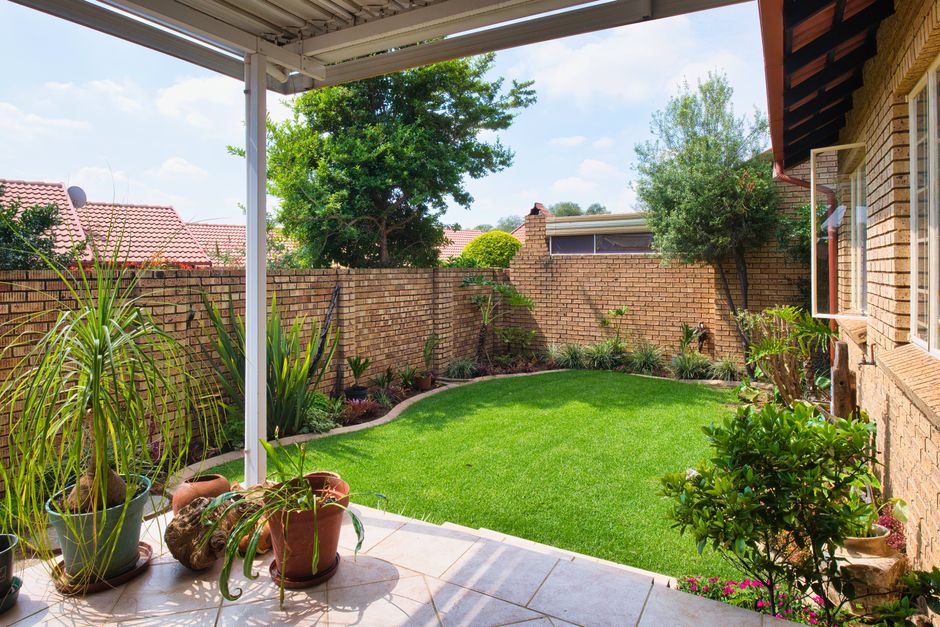
Darwin's transport picture is shifting. As first-home buyers weigh their options and more residents commit to staying put in the Top End, the question of how to move around the city efficiently has become urgent. The good news: Darwin's compact geography and expanding services mean you don't need to own a car to live well here—though understanding your options will save time and money.
The transformation matters now because Darwin's population patterns are changing. Young families priced out of southern capitals are landing in suburbs like Fannie Bay and Mindil Beach, where a three-bedroom house rents for around $2,100 monthly. Those relocating need reliable ways to reach the CBD, reach work sites across Palmerston, or get to the Waterfront precinct without sitting in traffic during the monsoon season. The question isn't whether Darwin has transport—it's whether residents know how to use it strategically.
Start with the fundamentals. Darwin City Council operates Darwinbus, the local transport network serving the inner city and suburbs. A single journey ticket costs $4.10, or commit to a $140 weekly pass if you're commuting five days. The main hub sits at 69 Harry Chan Avenue, where routes branch out to Nightcliff, Karama, and the northern beaches. Most services run until 9pm, though weekend coverage thins considerably—plan ahead if you're heading to dinner in the city centre after 8.30pm on a Saturday.
But buses aren't the whole story. Darwin's flat terrain and tropical climate make cycling viable for inner-city movement, despite the heat. The Darwin Cycling Club operates from Bicentennial Park and can point newcomers toward routes along the Esplanade and through suburbs like Stuart Park. Bike hire operates seasonally—expect around $25 daily—though most locals invest in their own two-wheeler once they settle in. The ride from Larrakeyah to the Waterfront takes 15 minutes on the dedicated path, beating car traffic and parking costs entirely.
For those without patience for buses or bikes, ride-sharing apps operate throughout Darwin, though prices spike during wet season when demand climbs. A journey from Mindil Beach to the city centre typically runs $18 to $24 depending on time of day. Uber and similar services launched here in 2023 and have captured roughly 12 percent of commute trips, according to data from the NT Transport Council—not dominant, but meaningful enough that traditional taxi numbers have dropped.
Taxis remain an option for airport runs or late-night trips. The Darwin Taxi Network dispatches from Knuckey Street and charges $4.40 flag fall plus $2.30 per kilometre. Airport transfers to the city run $35 flat rate, predictable if unremarkable compared to ride-sharing on quiet nights.
Here's what residents who've lived here five-plus years will tell you: understand which suburb matches your commute pattern. Working in Palmerston? Fannie Bay sits between your home and the office, cutting travel time to 20 minutes by car. Prefer walkability? The CBD's inner suburbs—Larrakeyah, Stuart Park, Larrakeyah—put you within cycling distance of most amenities, though rental prices reflect the convenience.
Download the Darwinbus app before your first week. It shows real-time arrivals and lets you track which routes serve your workplace or regular venues. Many residents combine transport types: bike to the Darwinbus hub at Harry Chan Avenue three days weekly, drive to Palmerston on Thursdays for standing meetings, use ride-sharing for Friday nights out.
The practical reality is this: Darwin rewards planning over spontaneity. Get your commute sorted early, test different routes during shoulder months when the heat isn't punishing, and establish a rhythm. Those who do report spending 30 to 40 minutes daily in transport costs and time—roughly comparable to southern cities, but with fewer options if something breaks down. Build flexibility into your monthly budget and your route preferences, and Darwin's transport network becomes less an obstacle and more a manageable part of daily life in the Top End.
Your reaction
Spread the word
About this article
Published by The Daily Darwin
Daily brief
Free, in your inbox before 7am. Weekdays.
The Daily Network — local news across Australia