Darwin Housing Crisis: 20 Years of Planning Failures
How two decades of policy decisions, LNG investment priorities, and underinvestment created Darwin's housing affordability emergency. Expert analysis inside.
How two decades of policy decisions, LNG investment priorities, and underinvestment created Darwin's housing affordability emergency. Expert analysis inside.
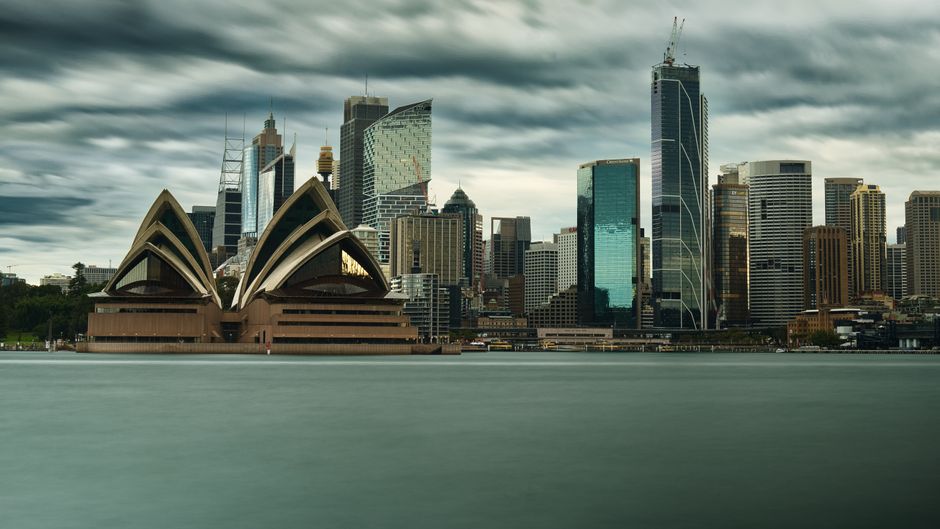
Walk along the Mitchell Street precinct today and the irony is impossible to miss. While Darwin's CBD gleams with new high-rise apartments—many sitting vacant or owned by interstate investors—families are being priced out of suburbs that were once affordable to working households.
The housing crisis didn't materialise overnight. It arrived through a series of deliberate, and often well-intentioned, policy decisions made over the past 20 years that have fundamentally reshaped Darwin's urban landscape.
The trajectory begins in the mid-2000s, when Darwin's economy pivoted dramatically toward liquefied natural gas exports. The Ichthys project and associated developments promised unprecedented prosperity. City planners, anticipating a resource boom population surge, loosened restrictions on high-density development in the inner suburbs. Palmerston Street, Larrakeyah, and the Waterfront precinct were rezoned aggressively for tall apartment blocks.
"We were building for a workforce that never quite arrived at the scale anticipated," explains a planning analyst familiar with the period. What materialised instead was speculative investment. Between 2010 and 2020, median house prices in established neighbourhoods like Fannie Bay and Nightcliff nearly tripled, from $385,000 to $1.1 million.
Simultaneously, successive administrations deferred another critical decision: residential development in outer suburbs. Rezoning land around Palmerston and further south required infrastructure investment—roads, schools, sewerage—that competed with CBD revitalisation budgets. The result: constrained supply in growth areas, inflated prices in established areas.
By the early 2020s, the pattern was locked in. Young professionals earning $70,000 annually faced deposit requirements for properties averaging $850,000. Teachers, nurses, and trade workers—essential to Darwin's functioning—began relocating to regional centres or heading south.
The Northern Territory Government acknowledged the problem in its 2023 housing strategy, identifying a shortfall of 15,000 affordable dwellings. Yet the policy responses—density bonuses, shared equity schemes, rental assistance—have moved glacially while prices continue rising.
What's emerged is a cautionary tale about planning myopia. Decision-makers in 2005 couldn't predict global commodity markets or forecast remote work trends. But they could have hedged bets by maintaining diverse housing stock across multiple price points and geographies. Instead, Darwin doubled down on a single model: high-density inner-city living for wealthier residents, with diminishing options for everyone else.
The city now confronts a consequence of yesterday's choices, with fewer tools to reverse course. Understanding that trajectory matters less as retrospective analysis than as a reminder: the housing decisions made today will shape Darwin's accessibility, diversity, and social fabric for decades to come.
This article was compiled by AI from the sources linked above and screened before publishing. See our editorial standards.
Your reaction
Spread the word
About this article
Published by The Daily Darwin
Daily brief
Free, in your inbox before 7am. Weekdays.
The Daily Network — local news across Australia