Darwin residents demand action on waterfront pollution as mangrove restoration stalls
Community leaders along the Stuart Highway corridor say years of promises have yielded little progress on protecting the city's most vulnerable ecosystems.
Community leaders along the Stuart Highway corridor say years of promises have yielded little progress on protecting the city's most vulnerable ecosystems.
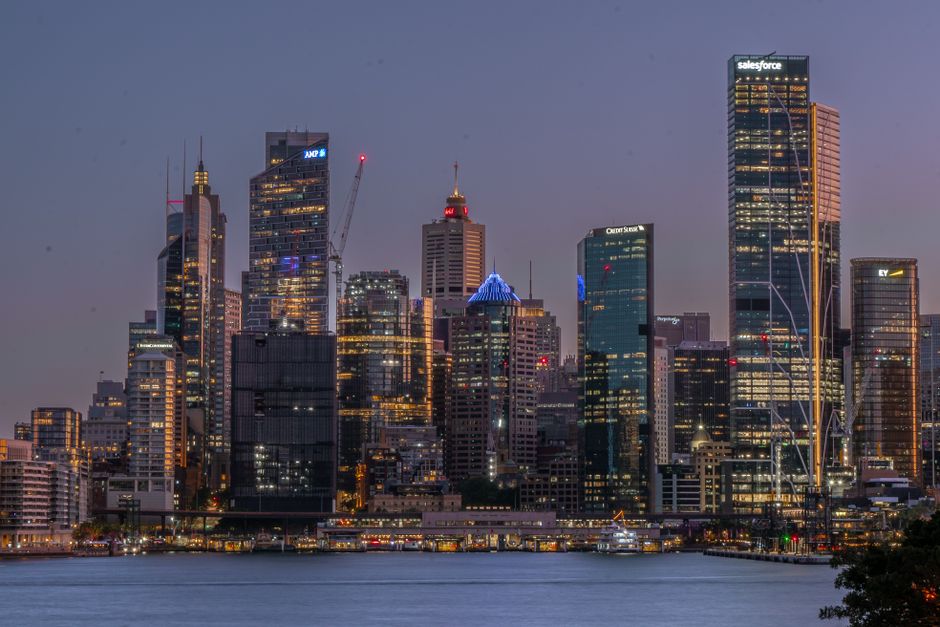
Residents living along Darwin's waterfront are growing increasingly vocal about the slow pace of environmental remediation efforts, with local community groups arguing that ambitious sustainability pledges have failed to translate into meaningful change across the city's most ecologically sensitive areas.
The frustration is particularly acute in the suburbs surrounding the Darwin Harbour precinct, where mangrove die-off and sediment accumulation have accelerated over the past three years. Representatives from the Larrakeyah community group and the Mindil Beach Precinct Association have jointly called for a comprehensive audit of restoration projects funded through the Northern Territory's $47 million Environmental Sustainability Initiative, launched in 2024.
"We've seen commitments come and go," said one long-time Larrakeyah resident who spoke on condition of anonymity. "The mangroves that fringe our beaches aren't recovering at the rate we were promised, and nobody seems willing to explain why."
Data released by Darwin Harbour Management Authority in March showed that 340 hectares of mangrove forest along the Stuart Highway corridor have experienced stress indicators over the past 18 months—a figure that prompted renewed calls for action from local environmental advocates. The Port Authority's own sustainability report acknowledged delays in dredging operations that they say exacerbate water quality issues.
The East Point Reserve Management Committee has proposed a five-year intensive restoration programme, with projected costs of $8.2 million. However, funding allocation remains uncertain, with state government representatives citing budget pressures related to infrastructure demands elsewhere across the Top End.
Residents point to successful precedents: the Fannie Bay seagrass recovery initiative, which ran from 2019 to 2023, achieved measurable improvements through consistent community monitoring and adaptive management. That project cost $2.8 million and involved volunteer involvement from approximately 2,400 people across multiple suburbs including Nightcliff and Coconut Grove.
"What's missing is that same coordination and transparency," said one volunteer from the Casuarina Conservation Network. "We're not asking for perfection. We're asking to see progress measured against clear benchmarks."
Environmental groups are planning a public forum at the Darwin Convention Centre on 15 July, where residents can directly question government officials about funding timelines and restoration targets. Organisers expect 200–300 attendees based on early interest.
This article was compiled by AI from the sources linked above and screened before publishing. See our editorial standards.
Your reaction
Spread the word
About this article
Published by The Daily Darwin
Daily brief
Free, in your inbox before 7am. Weekdays.
The Daily Network — local news across Australia