Darwin's Housing Gamble: How This City Stacks Up Against Global Peers in the Urban Planning Stakes
As median property prices near $750,000, Darwin's planners chart a different course to housing crises gripping comparable cities worldwide.
As median property prices near $750,000, Darwin's planners chart a different course to housing crises gripping comparable cities worldwide.
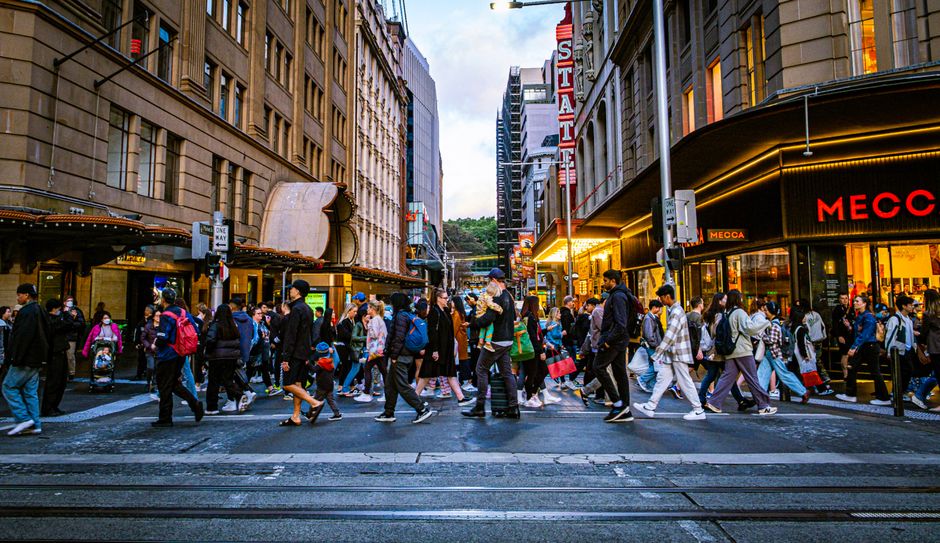
Darwin's approach to housing and urban planning is increasingly diverging from the strategies deployed by comparable global cities—and the results are proving instructive for urban planners worldwide.
While cities like Vancouver and Sydney have implemented strict foreign buyer restrictions and density caps, Darwin has embraced a more permissive planning regime. The Territory's recent streamlined approval process for mixed-use developments along the Stuart Highway corridor mirrors Singapore's pragmatic growth model, though without the city-state's authoritarian efficiency. Recent approvals for six new residential towers between Mindil and Larrakeyah—projects that would have faced years of environmental review in Melbourne—suggest Darwin's planners are banking on expansion over constraint.
The numbers tell a revealing story. Median house prices have climbed to approximately $750,000, a 34% increase since 2019, yet remain substantially below comparable Australian capitals. This relative affordability has attracted interstate migration, with the Australian Bureau of Statistics reporting a net gain of 1,200 residents in the past financial year alone. Compare this to Perth and Adelaide, which have seen similar population surges accompanied by housing shortages that pushed median prices beyond $800,000 in both cities.
Darwin's gamble centres on the newly established Metropolitan Infill Initiative, which fast-tracks apartment developments in established suburbs like Fannie Bay and Tamarind Gardens. This strategy echoes Barcelona's superblocks programme and Portland's transit-oriented development zones, prioritising density near existing infrastructure rather than sprawl toward peripheral suburbs. Early data suggests the initiative is working: apartment approvals have trebled in the past 18 months, with construction commencing on 340 new units across four precincts.
However, the city faces familiar tensions. Indigenous land rights complicate development near the Darwin waterfront—particularly around the culturally significant Mindil Beach precinct—presenting challenges that gentrified global cities largely avoided in their growth phases. Community groups have raised concerns about affordability, arguing that new developments target investors rather than owner-occupiers, a criticism levelled against Toronto and Dublin as housing crises deepened.
Tellingly, Darwin has resisted the zoning restrictions that hobbled San Francisco and London. Yet critics argue this permissiveness could mirror Auckland's experience: rapid growth without corresponding infrastructure investment, leaving schools and hospitals stretched.
As global cities grapple with housing unaffordability, Darwin's experiment—growth without strangling regulation, but tempered by environmental and cultural constraints—offers a middle path. Whether it remains sustainable as the city approaches 150,000 residents will define urban planning conversations across the region for years to come.
This article was compiled by AI from the sources linked above and screened before publishing. See our editorial standards.
Your reaction
Spread the word
About this article
Published by The Daily Darwin
Daily brief
Free, in your inbox before 7am. Weekdays.
The Daily Network — local news across Australia