Darwin's Waterfront Battle: What Residents Really Think About the Mangrove Conservation Plan
As the city pushes ahead with its ambitious environmental initiative, locals along the harbour are divided over costs, timelines, and who bears the burden.
As the city pushes ahead with its ambitious environmental initiative, locals along the harbour are divided over costs, timelines, and who bears the burden.
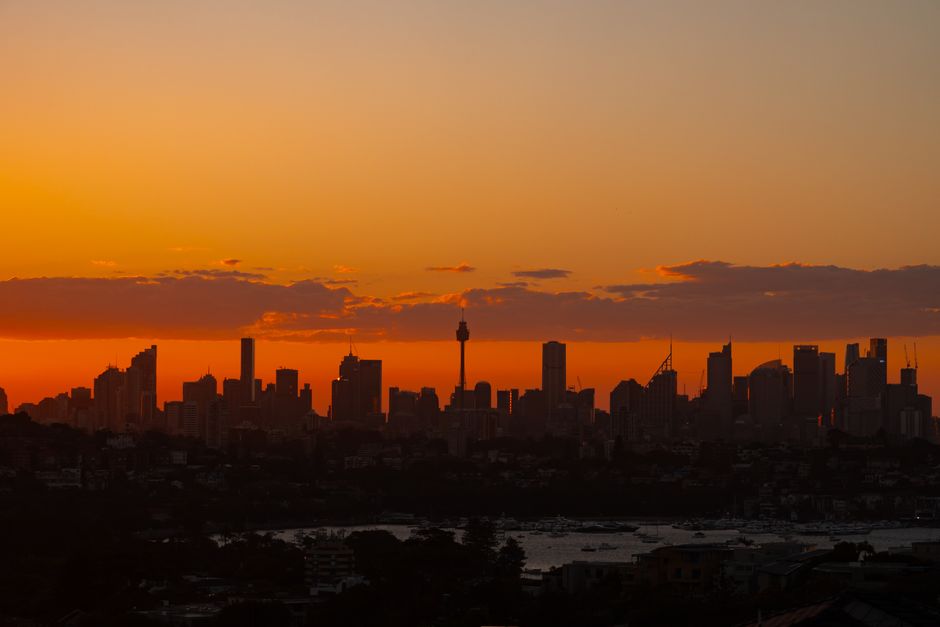
The Darwin Waterfront precinct has become ground zero for a heated debate about sustainability. Earlier this month, the Northern Territory government unveiled a $47 million mangrove restoration and coastal resilience scheme spanning from Lee Point to Fannie Bay—a project designed to protect against rising sea levels while restoring critical ecosystems. But ask residents living along Stokes Hill Wharf or in the East Point neighbourhood, and you'll find opinions as varied as the tidal zones themselves.
For Margaret Chen, who has run a small tourism operation near the Cenotaph for eighteen years, the initiative carries both promise and peril. "The mangroves are crucial—we all know that," she says. "But the construction phase will destroy business for at least two years. They're not offering adequate compensation for operators like me." Chen's concerns echo those raised at a packed community forum held at the Darwin Convention Centre last week, where roughly 200 residents and business owners voiced their frustrations directly to environment officials.
Others see the scheme as overdue. Jayden Mortimer, a environmental science lecturer at Charles Darwin University, emphasises the stakes. "Darwin's coastline is eroding at roughly 1.5 metres per year in some areas," he explains. "Without intervention, we're looking at significant infrastructure loss within twenty years. The mangroves act as natural barriers and nurseries for fish populations our entire food security depends on."
The economic arithmetic troubles some locals. At $47 million, the project translates to approximately $890 per resident across Darwin's population of roughly 53,000. For pensioners and low-income families in suburbs like Larrakeyah and Stuart Park, that burden—distributed through rates or taxes—stings. Yet proponents argue the alternative costs far more: storm surge damage alone could run into hundreds of millions.
Perhaps most tellingly, the conversation reveals a city wrestling with growth versus conservation. Young families moving to new developments at Palmerston are asking whether they should invest in areas vulnerable to climate impacts. Meanwhile, long-term residents who've weathered cyclone season for decades want assurance their sacrifice translates into tangible protection.
The NT government's timeline calls for stage one completion by 2029. Whether Darwin's fractious community can unite behind that vision remains uncertain—but what's undeniable is that the debate itself signals a city finally grappling seriously with its environmental future.
This article was compiled by AI from the sources linked above and screened before publishing. See our editorial standards.
Your reaction
Spread the word
About this article
Published by The Daily Darwin
Daily brief
Free, in your inbox before 7am. Weekdays.
The Daily Network — local news across Australia