Darwin Housing Crisis: Rents Up 34% Since 2023
Median rents hit $2,180/month in Darwin CBD while vacancy rates plunge to 1.8%. What the latest data reveals about affordability across suburbs like Larrakeyah and Coconut Grove.
Median rents hit $2,180/month in Darwin CBD while vacancy rates plunge to 1.8%. What the latest data reveals about affordability across suburbs like Larrakeyah and Coconut Grove.
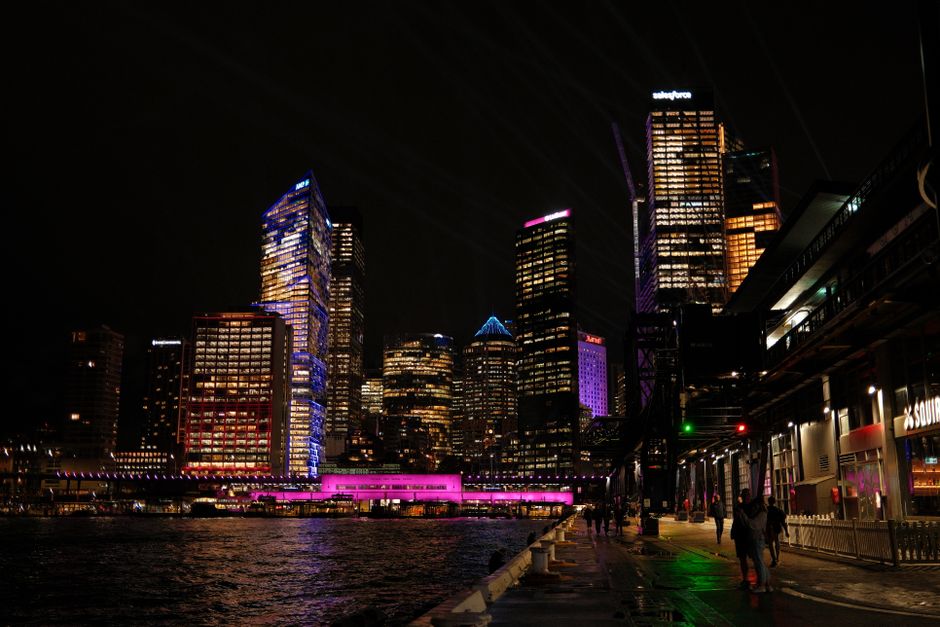
Darwin's housing market has undergone a dramatic transformation over the past three years, and the numbers tell a story of a city struggling to keep pace with demand. According to the latest quarterly residential data, median rental prices in the CBD have climbed 34% since mid-2023, with a two-bedroom apartment now averaging $2,180 per month—a figure that has sparked urgent conversations at City Hall and beyond.
The pressure points are most acute in traditionally affordable neighbourhoods. Larrakeyah, once considered an entry-level market, has seen median house prices surge from $685,000 to $892,000 in just 24 months. Meanwhile, vacancy rates across greater Darwin have plummeted to 1.8%—well below the 3% threshold economists consider healthy for market stability. In suburbs like Coconut Grove and Fannie Bay, the figure drops to 0.9%.
The Northern Territory Government's latest housing audit reveals the scale of the shortfall: Darwin requires approximately 4,200 additional dwellings over the next five years to meet projected population growth of 2.3% annually. Yet current planning approvals suggest only 2,850 units will be completed in that timeframe—a deficit of 1,350 homes. The Palmerston corridor, identified as a priority development zone, has received fast-tracked zoning amendments, but construction timelines suggest completions won't peak until 2027-28.
Perhaps most concerning is the composition of new housing stock. Data from the Development Applications Register shows 67% of approved residential projects are apartment complexes targeting the investor market, while demand for family homes—units with three or more bedrooms—represents 58% of active rental searches. This mismatch has already pushed younger families further into satellite suburbs like Noonamah and Karama, extending average commute times to the CBD from 18 minutes in 2019 to 24 minutes today.
Infrastructure capacity adds another layer of complexity. Darwin Port's expansion, scheduled for completion in 2028, is expected to attract significant commercial investment. However, water infrastructure planning documents obtained through freedom of information requests suggest current systems in the greater Darwin region cannot support population growth exceeding 2.8% annually without substantial additional investment.
The council's Urban Consolidation Strategy, tabled earlier this month, proposes increasing maximum dwelling density along Stuart Highway by 40%. If implemented at projected rates, modelling suggests this could theoretically address two-thirds of the identified shortfall. Yet community consultation responses show 52% of surveyed residents expressed concerns about infrastructure strain and character preservation.
As Darwin stands at this planning crossroads, the data is unambiguous: without decisive action on both supply and infrastructure, the city's housing affordability crisis will only deepen.
This article was compiled by AI from the sources linked above and screened before publishing. See our editorial standards.
Your reaction
Spread the word
About this article
Published by The Daily Darwin
Daily brief
Free, in your inbox before 7am. Weekdays.
The Daily Network — local news across Australia