Darwin's Green Ambition By The Numbers: What The Data Reveals About Our Sustainability Push
As the city commits to net-zero emissions, new figures show where progress is real—and where the targets remain painfully out of reach.
As the city commits to net-zero emissions, new figures show where progress is real—and where the targets remain painfully out of reach.
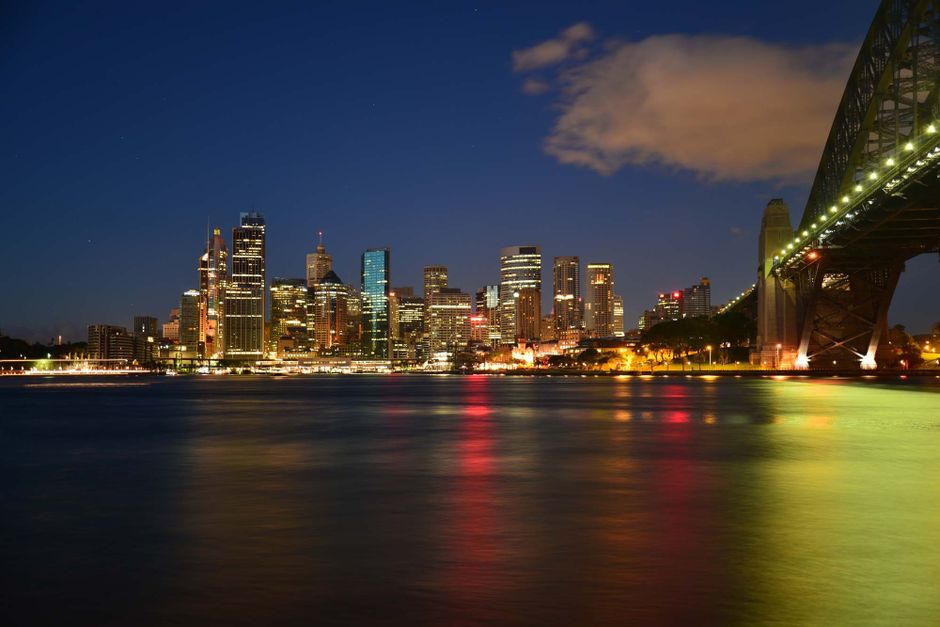
Darwin's sustainability agenda is no longer confined to earnest policy documents gathering dust on shelves. The numbers tell a story that's far more nuanced than the optimistic headlines suggest.
According to the latest Northern Territory Environmental Report released this month, Darwin's total carbon emissions stood at 2.8 million tonnes in 2025—down just 3.2 percent from 2023 levels. The city's target of 50 percent emissions reduction by 2030 would require an average annual cut of 8.7 percent. We're currently tracking at less than half that rate.
Yet some sectors are delivering. Solar installations across the greater Darwin area have grown 47 percent year-on-year, with rooftop panels now covering approximately 12,400 residential and commercial properties. The average household system costs $8,900 after rebates, making the payback period roughly 6.2 years—a figure that's driven significant uptake in outer suburbs like Palmerston and Howard Springs.
Transport remains the stubborn problem child. Vehicle emissions account for 34 percent of Darwin's carbon footprint. Despite the launch of an expanded electric bus fleet on routes serving Mitchell Street and the CBD last year, only 2.1 percent of private vehicles registered in the Darwin region are fully electric. Diesel vehicles still dominate at 41 percent of the fleet.
Water consumption data presents a brighter picture. Darwin's per-capita water usage dropped to 312 litres per day in 2025, down from 384 litres in 2020—a 19 percent improvement driven by mandatory restrictions and behaviour change during dry seasons. However, at 312 litres, residents still consume 28 percent more than the national average.
The Northern Territory Government's Green Procurement Policy, implemented across Darwin institutions in 2024, has redirected $67 million annually toward sustainable suppliers. Yet construction and demolition waste still accounts for 340,000 tonnes annually in the region—with only 23 percent diverted from landfill.
Waterfront renewal projects along the East Point precinct have incorporated mangrove restoration targets, with 18,900 seedlings planted over the past two years. Initial survival rates sit at 73 percent, exceeding the 60 percent benchmark.
The data suggests Darwin is moving in the right direction at an insufficient pace. Meeting 2030 targets will require accelerating emission reductions by at least 170 percent from current trajectories. That's not a commentary on ambition—it's a statement of mathematical reality.
This article was compiled by AI from the sources linked above and screened before publishing. See our editorial standards.
Your reaction
Spread the word
About this article
Published by The Daily Darwin
Daily brief
Free, in your inbox before 7am. Weekdays.
The Daily Network — local news across Australia