Darwin's migrant workers speak out on visa uncertainty and rising living costs
Community leaders and newcomers in the city's fastest-growing neighbourhoods share their concerns about recent policy shifts affecting skilled migration pathways.
Community leaders and newcomers in the city's fastest-growing neighbourhoods share their concerns about recent policy shifts affecting skilled migration pathways.
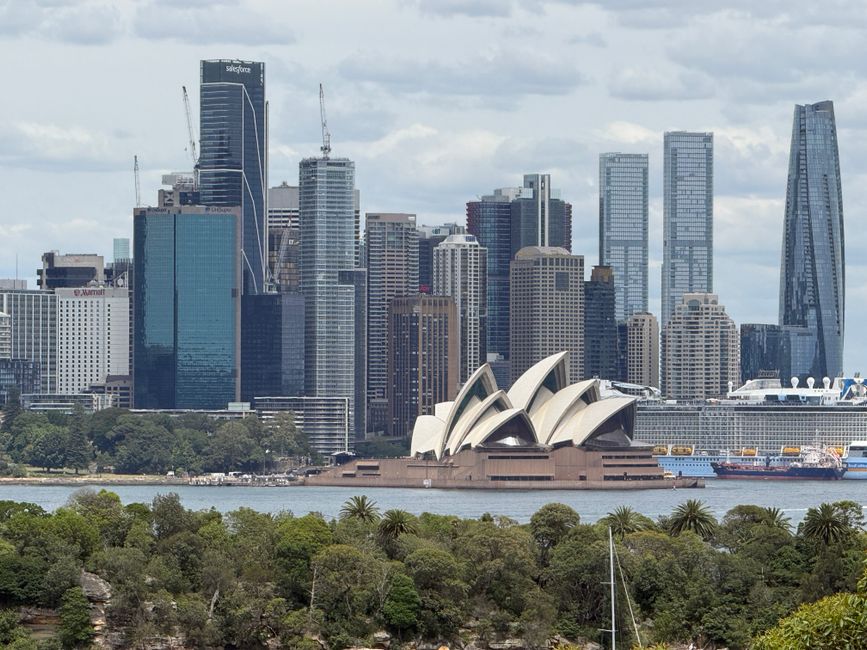
Across Darwin's expanding migrant communities—from the bustling corridors of Palmerston's industrial zones to the residential streets of Nightcliff—workers and families are grappling with mounting anxiety over visa policy changes and cost-of-living pressures that threaten their long-term plans.
At the Mitchell Community Centre on Mitchell Street, representatives from the Darwin Multicultural Society report a sharp increase in inquiries about visa sponsorship pathways and skilled migration eligibility. The organisation, which has served the city's diverse population for over two decades, says uncertainty around recent government announcements has created what they describe as a "chilling effect" on settlement confidence.
Local rental markets tell part of the story. Accommodation in sought-after areas like Fannie Bay and The Gardens has surged, with median monthly rents climbing to approximately $450-$550 for a two-bedroom unit—a 12% increase year-on-year. For skilled workers on temporary visas, many earning between $65,000-$85,000 annually, the margin between security and precarity has narrowed considerably.
The challenges extend beyond housing. Small business owners in Darwin's northern suburbs—particularly those in the hospitality and construction sectors who rely on migrant labour—report difficulty retaining experienced staff. Several establishments along Smith Street and around the Darwin Waterfront have reduced operating hours due to staffing shortages, a problem compounded by fewer new arrivals securing approved sponsorships.
Education remains a bright spot. The Northern Territory's universities and vocational training providers continue attracting international students, with enrolments holding steady. However, graduates face murky prospects regarding post-study work visa extensions—a significant concern for families who view Australia as a pathway to permanent residency.
Community organisations are adapting. The Migrant Resource Centre, operating from premises in Myilly Point, has expanded free legal advice sessions from twice monthly to weekly, responding to demand for guidance on visa transitions and pathway options.
For many of Darwin's migrant residents, the city's traditional openness and economic dynamism remain appealing. Yet the current climate of policy flux has prompted difficult conversations in households across the city's diverse neighbourhoods about whether remaining in Australia remains viable long-term.
As Darwin continues evolving into an increasingly multicultural hub, stakeholders say clearer communication from government about migration intentions is essential to maintaining the confidence that built the city's reputation as welcoming to skilled newcomers.
This article was compiled by AI from the sources linked above and screened before publishing. See our editorial standards.
Your reaction
Spread the word
About this article
Published by The Daily Darwin
Daily brief
Free, in your inbox before 7am. Weekdays.
The Daily Network — local news across Australia