Darwin's $2.8 Billion Transport Overhaul: By the Numbers
New data reveals the scale and scope of infrastructure projects reshaping the city's connectivity over the next decade.
New data reveals the scale and scope of infrastructure projects reshaping the city's connectivity over the next decade.
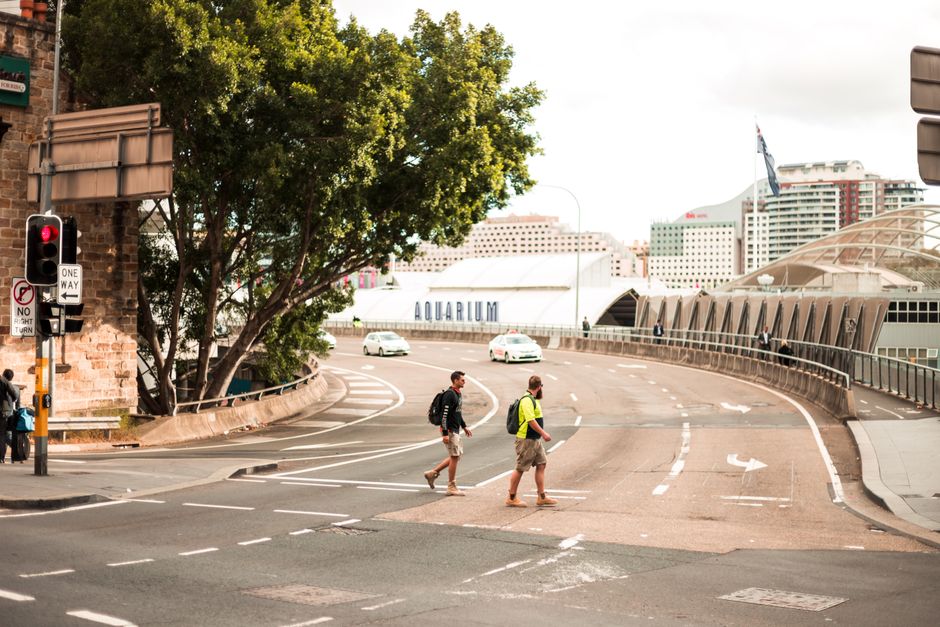
Darwin's ambitious transport infrastructure programme is reshaping the city's future, and the numbers tell a compelling story of ambition, investment, and logistical complexity.
The centrepiece remains the Port Darwin Enhancement Initiative, which has allocated $847 million toward deepening shipping channels and expanding container terminal capacity. Current throughput stands at 4.2 million tonnes annually—a figure planners expect to reach 6.8 million tonnes by 2032. The project encompasses 38 kilometres of channel dredging and will require removal of approximately 12 million cubic metres of material.
Meanwhile, the Greater Darwin Ring Road expansion, stretching 67 kilometres from Palmerston through to Noonamah, carries a $1.1 billion price tag. Traffic modelling suggests current peak-hour congestion on the Stuart Highway costs the local economy approximately $340 million annually in lost productivity. The new arterial route is projected to reduce commute times by 23 minutes for residents travelling between outer suburbs and the CBD.
Public transport investment has drawn $486 million, with the Darwin Rapid Transit network planning to service eight dedicated bus corridors across the city. Data shows only 8.3 per cent of Darwin's workforce currently uses public transport—well below the national average of 14.1 per cent—a gap planners hope to close significantly within five years.
The Mitchell Street precinct redevelopment, valued at $164 million, includes upgraded pedestrian infrastructure across 4.2 kilometres of the historic commercial spine. Current foot traffic analysis indicates 18,400 pedestrians daily during business hours, a figure expected to increase 31 per cent following improvements to lighting, accessibility, and streetscape amenities.
Airport Darwin's third runway project comes with a $342 million investment, addressing capacity constraints that have seen passenger numbers grow from 2.8 million annually in 2018 to 4.1 million in 2025. The runway addition will boost aircraft movements from 35,000 annually to 52,000.
Combined, these projects represent the largest infrastructure commitment to Darwin since the 1980s, totalling approximately $2.8 billion across all initiatives. Economic impact assessments suggest the programmes will generate 3,200 direct jobs during construction phases and a further 1,850 permanent positions across transport and logistics sectors by 2030.
While challenges remain—supply chain delays have already impacted 12 per cent of scheduled timelines—the sheer scale of investment underscores growing recognition that Darwin's future depends on moving people, goods, and services more efficiently than ever before.
This article was compiled by AI from the sources linked above and screened before publishing. See our editorial standards.
Your reaction
Spread the word
About this article
Published by The Daily Darwin
Daily brief
Free, in your inbox before 7am. Weekdays.
The Daily Network — local news across Australia