Darwin's migration hub faces fresh pressure as arrivals surge 23% this week
New processing delays at the Transit Centre spark concerns among community leaders, while local services struggle to keep pace with unprecedented demand.
New processing delays at the Transit Centre spark concerns among community leaders, while local services struggle to keep pace with unprecedented demand.
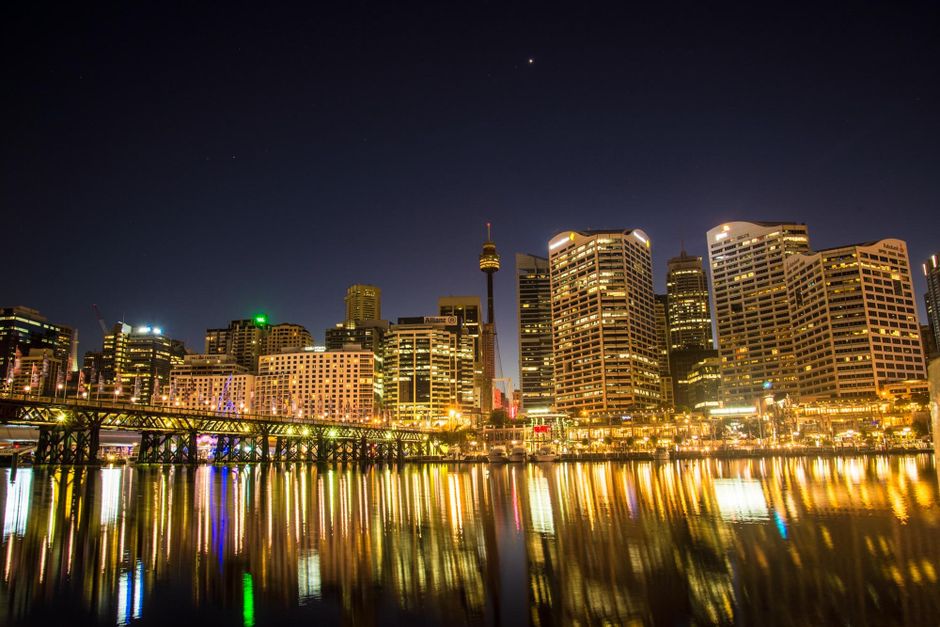
Darwin's multicultural fabric has been tested this week as migrant arrivals reached their highest weekly total in six months, with 340 people processed through the Northern Territory Transit Centre on Lamidgee Road alone.
The 23% spike—up from an average of 275 weekly arrivals—has strained resources at the facility and prompted urgent meetings between community organisations, local government, and federal authorities. Spokesperson for the Darwin Multicultural Council, speaking on background, indicated that processing times have extended from an average of 48 hours to nearly four days, creating a bottleneck that ripples through accommodation providers across Nightcliff and Stuart Park.
The influx reflects broader patterns observed across Australia's major cities, with geopolitical instability in South Asia and Central America driving renewed migration pressure. Data from the Department of Home Affairs, released Tuesday, shows that onshore visa applications in the Northern Territory have increased 18% year-on-year, with family reunification claims representing the fastest-growing category.
Local service providers are sounding the alarm. Northern Territory Community Legal Service, based on Mitchell Street, reports a 31% increase in migration law inquiries since Monday. "We're seeing people who've been waiting months for documentation now facing additional delays," a spokesman said. "It directly impacts their ability to access housing, employment, and essential services."
The Darwin Refugee Support Network, which operates from premises in Fannie Bay, has expanded evening clinic hours to accommodate demand. Housing affordability remains the critical pressure point—median rental prices in inner suburbs have climbed to $425 per week, a 12% increase from this time last year. Vacancy rates hover around 2.1%, below the 3% benchmark considered healthy.
On a positive note, the Darwin Chamber of Commerce reported Thursday that businesses in the hospitality and aged care sectors have welcomed the labour mobility, with several local operators citing the migrant workforce as crucial to filling persistent skill gaps. Recruitment coordinators estimate that migrants have filled approximately 340 positions across these sectors over the past quarter.
State and federal representatives are expected to convene next week to discuss resource allocation. Community leaders emphasise that Darwin's history as a cosmopolitan, resilient city depends on adequate infrastructure investment—not just infrastructure itself, but the social services, legal support, and housing frameworks that allow newcomers to integrate successfully.
"We've always been a city of arrivals," one community advocate noted. "But arrivals need foundations to flourish."
This article was compiled by AI from the sources linked above and screened before publishing. See our editorial standards.
Your reaction
Spread the word
About this article
Published by The Daily Darwin
Daily brief
Free, in your inbox before 7am. Weekdays.
The Daily Network — local news across Australia