Darwin's Green Future Hangs on Three Critical Decisions in the Coming Months
As the city pushes toward net-zero by 2035, stakeholders face pivotal choices on waterfront development, renewable energy infrastructure, and indigenous land partnerships.
As the city pushes toward net-zero by 2035, stakeholders face pivotal choices on waterfront development, renewable energy infrastructure, and indigenous land partnerships.
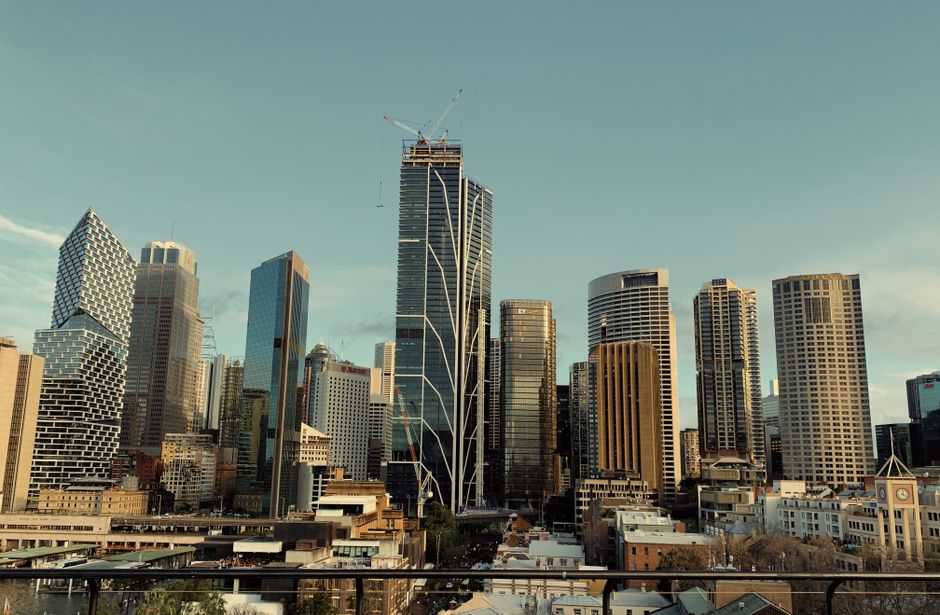
Darwin stands at a crossroads. With ambitious sustainability targets set for the next decade, the city's environmental future will be shaped by three major decisions due before December 2026—choices that will determine whether the capital becomes a model for tropical climate action or falls short of its promises.
The most visible challenge centres on the Waterfront Precinct redevelopment. Plans to expand commercial and residential zones along the Timor Sea coastline could generate $2.3 billion in economic activity, but environmental advocates worry about mangrove habitat loss and pressure on monsoon tidal systems. The Darwin City Council will vote in September on whether to mandate that 40% of the precinct meet green building standards—a requirement that developers argue could inflate costs by 15-20%. The decision will set a precedent for future coastal projects across the Northern Territory.
Energy infrastructure represents the second critical juncture. Solar installation capacity in Darwin has reached 187 megawatts as of mid-2026, yet peak summer demand still relies on diesel generation from the Howard Springs power station. The NT Government must decide by October whether to commit $480 million toward a large-scale battery storage facility near Bees Creek, 25 kilometres south of the CBD. Without it, renewable energy gains plateau; with it, Darwin could theoretically run on renewables alone during dry season months.
Perhaps most consequential is the pending Native Title agreement spanning 8,400 square kilometres of land north of Darwin, reaching into the Kakadu region. Indigenous groups and conservation organisations have proposed designating 35% of this territory as protected savanna woodland, compatible with traditional burning practices that reduce catastrophic wildfires. The federal government's formal response—expected in November—will shape whether these lands become conservation partnerships or remain open to resource extraction.
Community engagement has intensified along Mitchell Street and at the Darwin Botanic Gardens, where sustainability forums have drawn hundreds of residents. Local business groups remain divided: hospitality and retail sectors on the Esplanade worry that stricter environmental regulations will deter investment, while renewable energy companies see opportunities.
The outcomes of these three decisions will ripple through Darwin's next decade. Get them right, and the city could emerge as Australia's most climate-resilient capital. Get them wrong, and the city risks becoming a cautionary tale about unfulfilled green ambitions.
The clock is ticking. September arrives in ten weeks.
This article was compiled by AI from the sources linked above and screened before publishing. See our editorial standards.
Your reaction
Spread the word
About this article
Published by The Daily Darwin
Daily brief
Free, in your inbox before 7am. Weekdays.
The Daily Network — local news across Australia