Darwin's Housing Crisis: Why New Planning Rules Could Transform—or Fracture—Your Neighbourhood
Council's controversial rezoning of Larrakeyah and Nightcliff threatens to reshape the city's character while offering hope for affordable living.
Council's controversial rezoning of Larrakeyah and Nightcliff threatens to reshape the city's character while offering hope for affordable living.
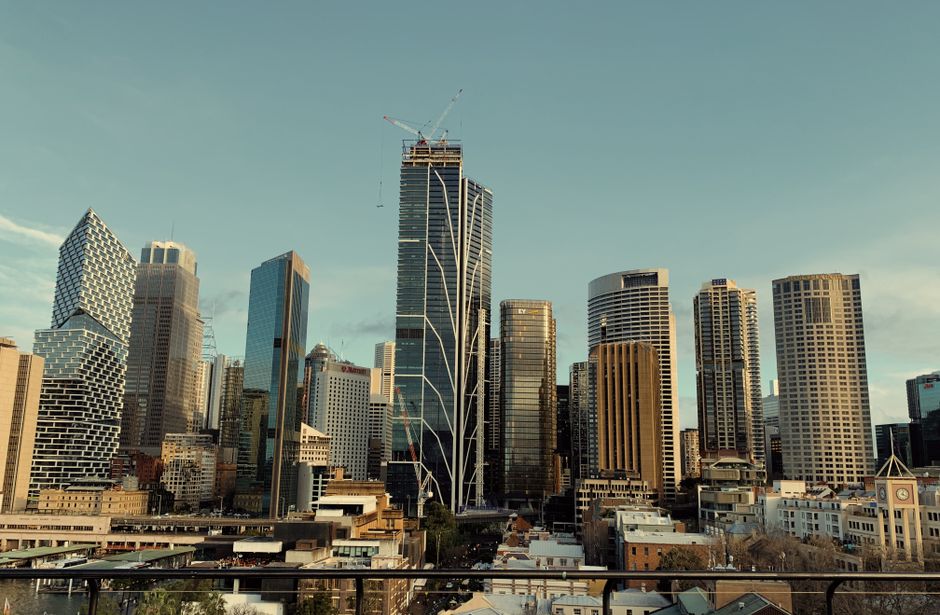
A quiet revolution is brewing in Darwin's planning department. Behind closed doors at the City of Darwin offices on Harry Chan Avenue, officials have been quietly reshaping zoning laws that could fundamentally alter how locals live, work, and build community in Australia's most northern metropolis. For residents already grappling with rental prices that have climbed 34 percent since 2022, the stakes have never felt higher.
The proposed amendments would allow six-storey mixed-use developments across previously single-dwelling zones in Larrakeyah, Nightcliff, and Fannie Bay—areas many Darwinians consider the soul of the city. On the surface, it sounds bureaucratic and bloodless. But walk down Mitchell Street on any Friday evening, or attend a weekend gathering at Bicentennial Park, and you'll understand why this matters profoundly to people who call Darwin home.
The city's housing shortage is undeniable. Median rents for a two-bedroom apartment now exceed $2,100 monthly, pricing out young families and essential workers—teachers, nurses, hospitality staff who form the backbone of our community. The Planning Institute of Australia estimates Darwin needs 3,400 additional dwellings by 2030 to meet demand. Without intervention, that gap widens every year.
Supporters argue the rezoning is precisely what Darwin needs: more density in established neighbourhoods means more affordable apartments, less urban sprawl, and revitalised main streets. Proponents point to successful schemes in Brisbane's inner suburbs as evidence that thoughtful intensification can preserve character while solving housing crises.
But opponents worry about parking chaos on already-congested Daly Street, strain on schools like Larrakeyah Primary, and the loss of generational homes where families have put down roots. The Darwin & District Community Association has voiced concerns about preserving green spaces and local gathering spots that define suburban life here.
Here's what matters most: this decision will determine whether your kids can afford to buy in Darwin in 2035, whether Larrakeyah remains recognisable in ten years, and whether planners prioritise who lives here or simply how many can fit. The council's final determination comes mid-July. Before then, residents should scrutinise the environmental impact assessment and attend public forums. These aren't abstract debates about zoning codes—they're conversations about belonging, affordability, and what kind of city Darwin becomes. That's worth your attention.
This article was compiled by AI from the sources linked above and screened before publishing. See our editorial standards.
Your reaction
Spread the word
About this article
Published by The Daily Darwin
Daily brief
Free, in your inbox before 7am. Weekdays.
The Daily Network — local news across Australia