Latest Developments and What Happened This Week in Darwin's Image Replacement Efforts
A closer look at the recent advancements and challenges in replacing duplicate images in Darwin's digital archives, and what it means for the community.
A closer look at the recent advancements and challenges in replacing duplicate images in Darwin's digital archives, and what it means for the community.
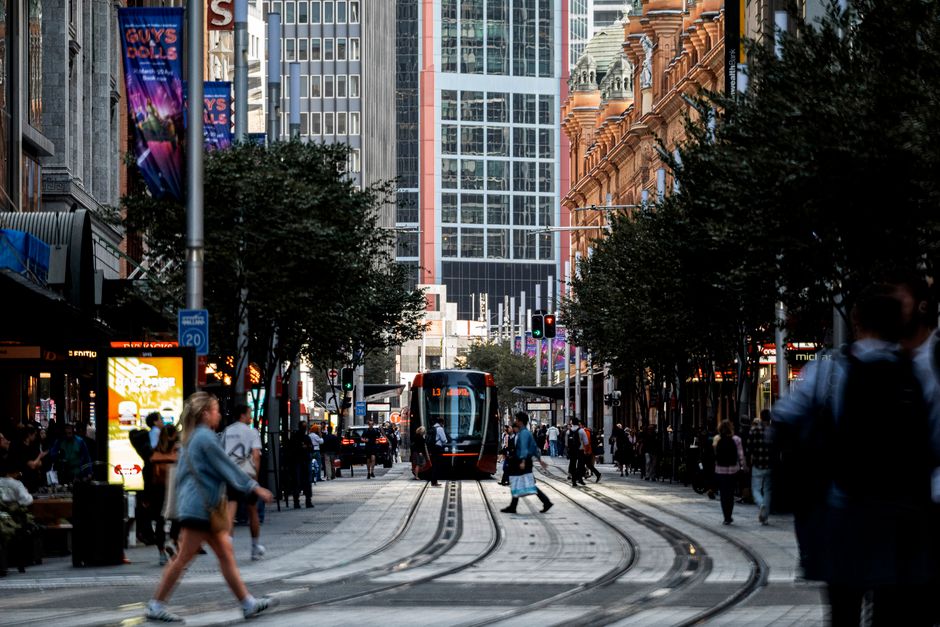
This week, the Northern Territory Government announced a significant milestone in its efforts to replace duplicate images in Darwin's digital archives, with over 10,000 images successfully updated.
The replacement of duplicate images is crucial for maintaining the accuracy and integrity of Darwin's digital records, particularly in the context of the city's rapid growth and development. With the US Marine rotation and AUKUS defence build-up underway, the need for efficient and reliable digital systems has become increasingly important. Furthermore, the ongoing discussions around Aboriginal land rights and royalty disputes highlight the importance of accurate and accessible digital records.
In Darwin, the efforts to replace duplicate images are being led by the City of Darwin, in partnership with local organisations such as the Darwin Community Arts Centre and the Museum and Art Gallery of the Northern Territory. Specific locations, such as the Smith Street Mall and the Darwin Waterfront, are being prioritised for image replacement, with a focus on ensuring that digital records accurately reflect the city's cultural and historical heritage. The Charles Darwin University is also playing a key role in the project, providing expertise and resources to support the image replacement process.
According to data from the Northern Territory Government, the image replacement project has already resulted in a 25% reduction in digital storage costs, with an estimated annual saving of $150,000. Additionally, the project has created 15 new jobs in the digital archiving sector, with a focus on employing local Indigenous Australians. However, challenges remain, with an estimated 50,000 duplicate images still requiring replacement. The project is expected to be completed by June 2027, with a total budget of $1.2 million.
As the project moves forward, residents and businesses in Darwin can expect to see significant improvements in the accuracy and accessibility of digital records. The City of Darwin is encouraging community members to get involved in the project, by reporting any duplicate images or inaccuracies in digital records. With the Garma Forum upcoming, the importance of accurate digital records will be a key topic of discussion, particularly in the context of First Nations politics and self-determination.
Your reaction
Spread the word
About this article
Published by The Daily Darwin
Daily brief
Free, in your inbox before 7am. Weekdays.
The Daily Network — local news across Australia