Palmerston Property Investment Darwin: Infrastructure Boom 2024
Discover why Palmerston is Darwin's fastest-growing investment suburb. New Ring Road, schools, and retail drive property values toward $550k. Expert insights inside.
Discover why Palmerston is Darwin's fastest-growing investment suburb. New Ring Road, schools, and retail drive property values toward $550k. Expert insights inside.
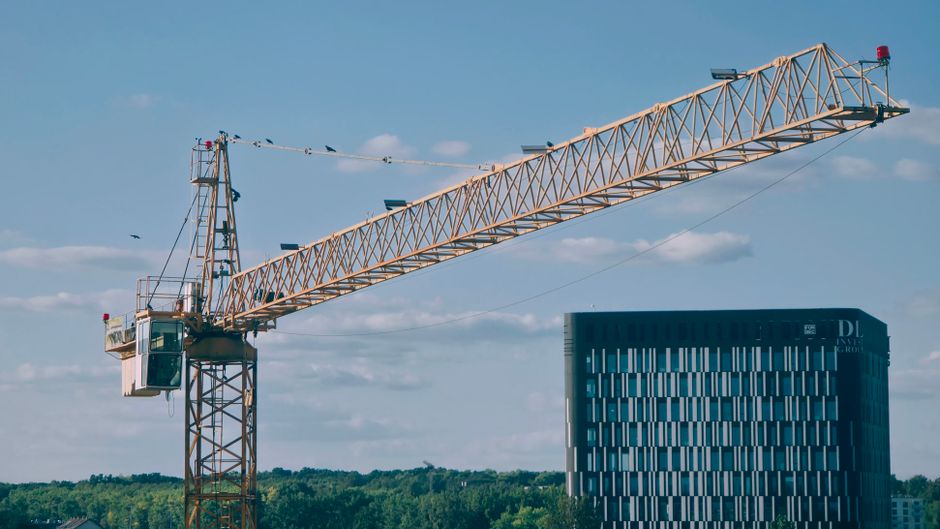
While Darwin's CBD remains the territory's anchor, savvy investors are increasingly training their sights on Palmerston, the sprawling satellite suburb 25 kilometres south. And for good reason: a confluence of infrastructure investment, population growth and yield potential is positioning the corridor as the Northern Territory's most dynamic property investment zone.
Palmerston has long been home to defence personnel and mining sector workers, but recent developments signal a fundamental shift. The completion of the Palmerston Ring Road expansion—connecting key employment hubs to residential zones with reduced commute times—has already sparked buyer interest. Property values in established pockets of Palmerston have drifted toward $480,000–$550,000 for family homes, reflecting steady capital appreciation while maintaining rental yields of 6–6.5 per cent, among Australia's highest.
The real catalyst, however, is education and retail infrastructure. A new secondary college campus opened in early 2026 near the intersection of Stuart Highway and Farrell Road, reducing the need for families to ferry teenagers into Darwin proper. Simultaneously, the Palmerston Central precinct—anchored by expanded shopping facilities and a new medical hub—has transformed the commercial landscape. Property near these nodes commands premium rents from tenants seeking modern, accessible spaces.
For owner-occupiers, the calculus is compelling. A family purchasing a three-bedroom home in established suburbs like Farrar or Durack for $500,000–$530,000 benefits from both capital growth potential and the tangible quality-of-life upgrades: new schools, parks including the refurbished Palmerston Sports Complex, and reduced travel friction to Darwin's employment centres. The median rent for such properties sits around $520–$560 weekly, giving landlords a net yield edge over capital cities.
Broader trends support the thesis. Defence spending uplift continues to prop up government employment, a backbone of Palmerston's demographic. The Northern Territory government has flagged Palmerston as a growth priority in its territorial development strategy, signalling ongoing infrastructure backing. Younger families are increasingly choosing the corridor for affordability relative to Darwin proper, while retirees appreciate the modern amenities and established community fabric.
The risk? Growth is not linear. Interest rate movements and economic cycles affect all markets, and Palmerston's reliance on defence and mining employment—while stabilising—carries concentration risk. However, for investors with a medium to long-term horizon, the confluence of infrastructure completion, population tailwinds and yield sustainability makes Palmerston's growth corridor a compelling alternative to tighter capital city markets.
This article was compiled by AI from the sources linked above and screened before publishing. See our editorial standards.
Your reaction
Spread the word
About this article
Published by The Daily Darwin
Daily brief
Free, in your inbox before 7am. Weekdays.
The Daily Network — local news across Australia