Rezoning bid could unlock Palmerston's mixed-use boom
A significant planning shift on the city's southern fringe threatens to reshape one of Australia's fastest-growing suburbs.
A significant planning shift on the city's southern fringe threatens to reshape one of Australia's fastest-growing suburbs.
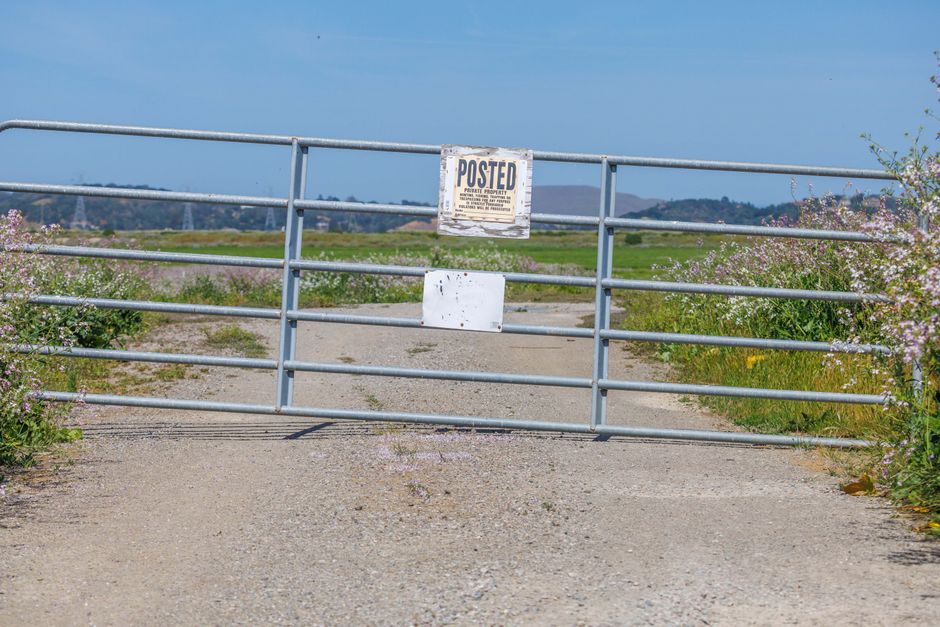
A proposed rezoning of the Stuart Highway corridor in Palmerston is poised to redraw the property landscape in Darwin's most buoyant growth precinct, potentially unlocking hundreds of residential and commercial developments on currently dormant industrial land.
The Northern Territory Planning Commission is considering recommendations to reclassify approximately 45 hectares of land between Farrell Avenue and Whitewood Road from industrial to mixed-use development zones. The move reflects Palmerston's meteoric expansion—the suburb has absorbed roughly 30 per cent of Darwin's new residential construction over the past five years, with median values climbing toward $520,000.
Local real estate agents and developers have privately welcomed the proposal, which would permit apartment complexes, retail precincts, and office spaces alongside lighter industrial operations. Palmerston's rental yield profile—consistently tracking between 6 and 7 per cent, the nation's highest—has made the suburb a magnet for investors seeking cashflow alongside capital growth.
The rezoning aligns with broader infrastructure investment flowing into the region. Federal defence spending commitments have anchored government and mining sector employment, while improved road connectivity to Robertson Barracks and RAAF Base Darwin has solidified Palmerston's position as a residential hub for defence personnel. Transport links to the Palmerston Regional Hospital and the newly expanded Palmerston Shopping Centre have further boosted residential appeal.
However, the proposal has drawn scrutiny from existing industrial operators along the corridor. Current tenants, who benefit from lower-cost land rates, have raised concerns about rising valuations and displacement pressures should the rezoning proceed. Local council representatives have remained measured, noting that any transition must balance growth with infrastructure capacity—particularly water, sewerage, and traffic management on the already congested Stuart Highway.
If approved, the rezoning could inject 2,000–3,000 new dwellings into Palmerston's supply pipeline, potentially moderating median values while sustaining investor demand. Current high rental yields may compress as supply increases, though the suburb's structural advantages—affordability relative to inner Darwin, proximity to employment, and ongoing population growth—suggest resilience.
The Planning Commission is expected to release its formal recommendation by August. Regardless of outcome, the proposal signals Darwin's continuing southward expansion and the premium now attached to suburban land capable of densification.
This article was compiled by AI from the sources linked above and screened before publishing. See our editorial standards.
Your reaction
Spread the word
About this article
Published by The Daily Darwin
Daily brief
Free, in your inbox before 7am. Weekdays.
The Daily Network — local news across Australia